 Save
Save Baking this blood orange polenta cake was not on my to-do list—I just found myself mesmerized by the heap of jewel-bright blood oranges at the market and brought way too many home. The zesty aroma filling my kitchen as I zested each orange honestly made me pause mid-motion and smile. Even the odd dash of flourless polenta all over my counters felt like part of the fun; there's a certain cheer to working with your hands and vivid ingredients. As the cake baked, the scent shifted from fresh citrus to sweet, buttery warmth.
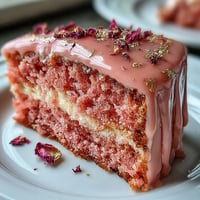
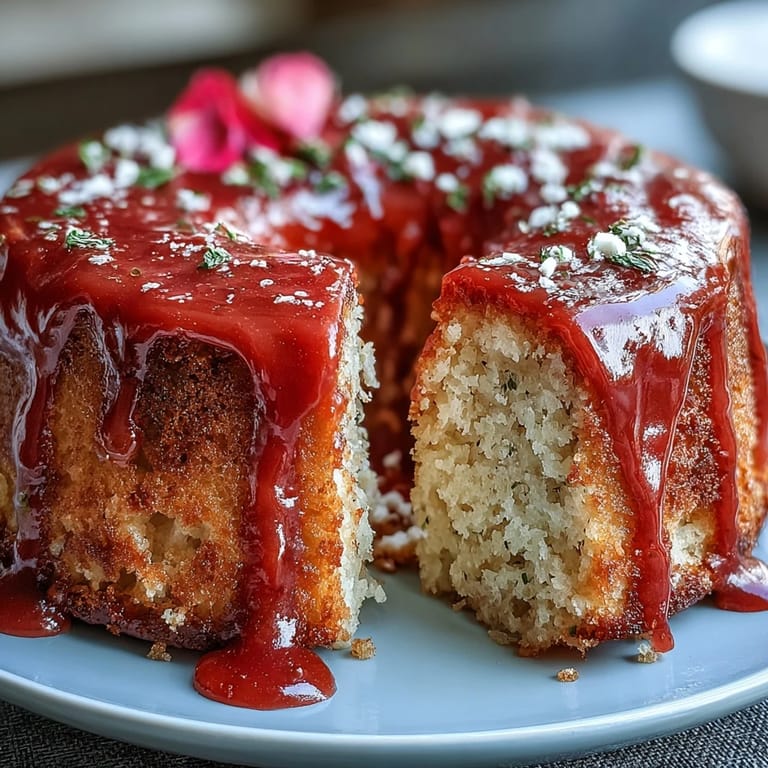
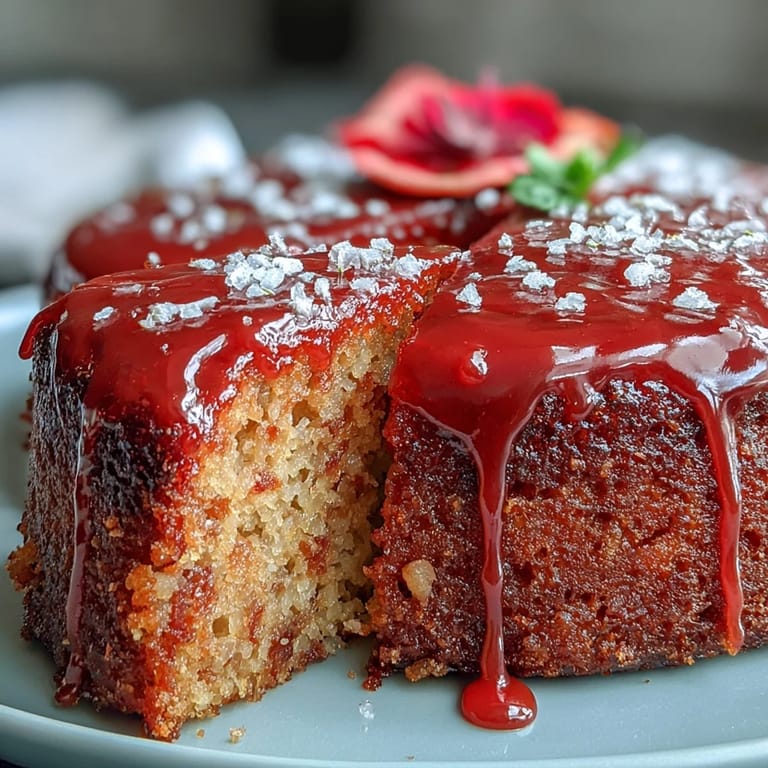
Last spring, I made this cake for a friend's casual Sunday gathering—our laughter echoing through the house as we tried to artfully arrange the edible flowers (some upside down, of course). When we cut the first slice and that blush glaze dripped down the sides, even the non-cake-lovers grabbed a fork to try.
Ingredients
- Unsalted butter: Needs to be really soft for creaming; cold butter just refuses to fluff up, so I leave it out for at least an hour.
- Caster sugar: Dissolves perfectly into the batter, giving that delicate crumb; sanding sugar stays gritty, so stick with the fine stuff.
- Large eggs: Room temperature eggs blend smoothly and help keep the batter light.
- Blood orange zest: The zest holds all the essential fragrant oils—use a microplane and avoid the bitter white pith.
- Fine polenta (cornmeal): Gives the signature coarse texture without heaviness; fine-ground is best, as medium or coarse can be gritty.
- Ground almonds: Bring moistness and a hint of nutty flavor; if yours are clumpy, break them up by hand first.
- Gluten-free baking powder: Make sure it’s fresh for maximum lift, as expired powder will disappoint you.
- Salt: Just a pinch—it sharpens all the other flavors in the cake.
- Blood orange juice: Squeeze it fresh for the boldest color and taste; bottled juice tastes flat here.
- Vanilla extract: Complements the orange and brings a lovely warmth.
- Powdered sugar: Sift before mixing the glaze to avoid lumps—the difference is visible in the finished drip.
- Edible decorations: Sliced blood oranges and edible flowers are optional, but they make the cake look like spring in one swoop.
Tired of Takeout? 🥡
Get 10 meals you can make faster than delivery arrives. Seriously.
One email. No spam. Unsubscribe anytime.
Instructions
- Prep your tin:
- Start by greasing your 8-inch cake tin well, then lining the base with parchment—your future self will thank you for this when the cake slips out like a dream.
- Cream butter and sugar:
- With your mixer whirring, let the softened butter and sugar turn cloudlike and pale; scrape down the bowl so no sneaky sugar lumps escape.
- Add eggs:
- Crack in the eggs one at a time, blending well; don’t worry if the mixture looks a bit split—it smooths out soon enough.
- Stir in zest and vanilla:
- The smell when you add orange zest and vanilla is instantly bright and cozy; swirl it in thoroughly.
- Mix dry ingredients:
- In a separate bowl, toss together polenta, ground almonds, baking powder, and salt—breaking up any clumps so the cake stays even.
- Combine wet and dry:
- Add your polenta mix to the wet batter, folding gently just until combined, so things stay fluffy.
- Add juice:
- Pour in the blood orange juice, stirring just enough to work it through without heavy mixing.
- Bake:
- Spoon the batter into your tin, level off with a spatula, and slide into the oven for about 40-45 minutes—soon the kitchen will smell like a citrus orchard.
- Cool the cake:
- Let the cake rest in the tin for 10 minutes, then turn onto a rack to cool fully (resist sneaking a slice at this point—glaze clings best when the cake’s cool).
- Mix the glaze:
- In a bowl, whisk together sifted powdered sugar and blood orange juice until you have a glossy, pourable pink glaze—add the juice gradually to gauge thickness.
- Decorate:
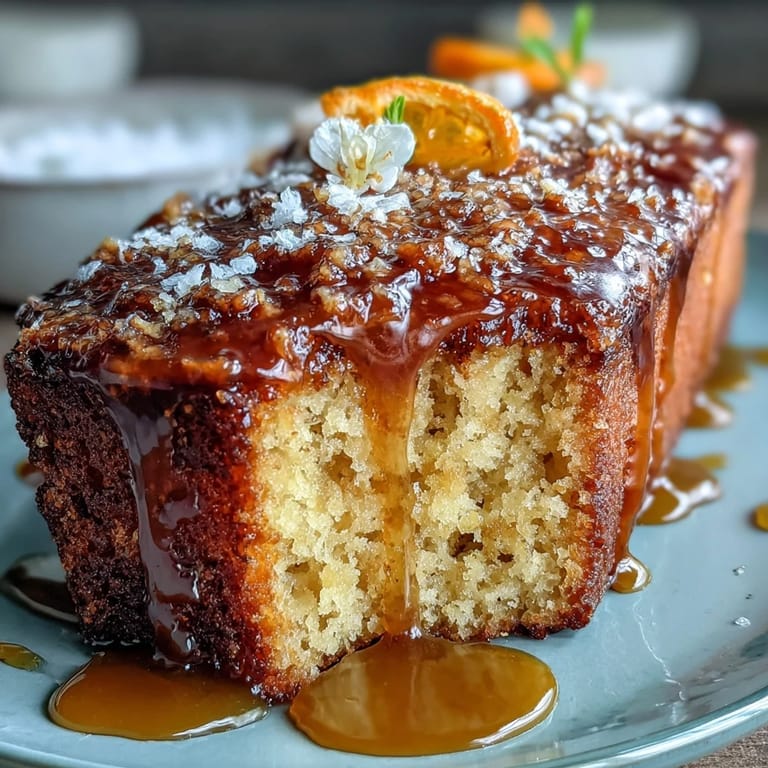
- Drizzle the glaze generously over the cooled cake and let it trickle down the sides, finishing with blood orange slices and edible flowers if you want to turn heads.
 Save
Save 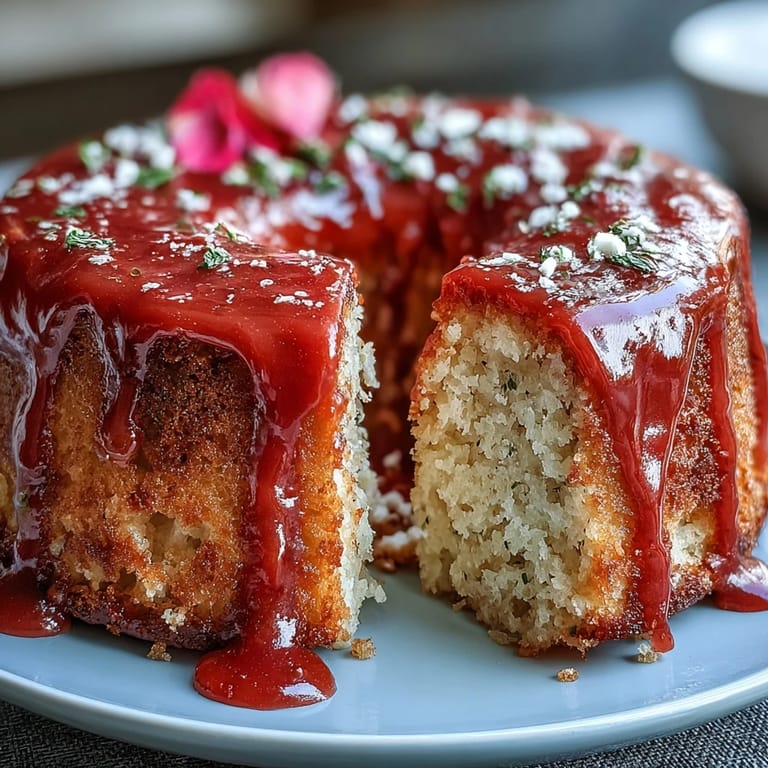 Save
Save Someone once called this cake ‘sunshine on a plate’ at a little picnic, and for a few minutes, everyone forgot about their phones and just enjoyed the dessert and each other’s company.
Getting That Signature Pink Glaze
I learned that straining even a splash of pulp from the blood orange juice gives the glaze a smoother finish, with no odd speckles—plus, it picks up the prettiest hue. If you want an extra-thick glaze, add the powdered sugar gradually and adjust with juice a drop at a time.
How To Store Your Polenta Cake
Wrap leftover cake tightly in foil or keep it in an airtight box, and it’ll stay moist for up to three days without losing its bright flavor. I sometimes refrigerate it overnight, but let come to room temperature before serving for the best texture.
Serving Up Showstopper Slices
For eye-catching slices, use a sharp knife wiped clean between each cut to keep the glaze tidy. A dollop of crème fraîche or a spoonful of Greek yogurt next to each wedge adds a creamy contrast.
- Decorate just before serving for the freshest look.
- Don’t be shy with the glaze—it’s what makes the cake pop.
- Remember to use gluten-free baking powder if you need the cake to be celiac friendly.
 Save
Save  Save
Save May your kitchen be filled with zesty scents and cheerful chatter whenever you make this cake. It’s a dessert that brightens both the table and the mood.
Recipe Help & Answers
- → How do I keep the cake moist?
Do not overmix the batter and avoid overbaking; check with a skewer. Brush the warm cake lightly with extra blood orange juice before glazing to add moisture and brightness.
- → Can I use regular oranges instead of blood oranges?
Yes—regular oranges work well for flavor, though the glaze will be paler. Use freshly squeezed juice and adjust sugar in the glaze to taste.
- → What can I substitute for ground almonds?
Try ground hazelnuts for a richer note or increase polenta slightly for a nut-free crumb, keeping in mind texture and moisture may change.
- → How do I get a vivid pink glaze?
Use strained blood orange juice for natural color and a smooth glaze. Add juice gradually to powdered sugar until thick and pourable; a touch more juice creates a softer pink.
- → How should I store leftovers?
Cover and keep at room temperature for up to 2 days or refrigerate up to 4 days. Bring to room temperature before serving for best texture.
- → How can I make it dairy-free?
Swap butter for a plant-based stick butter or a neutral oil and reduce slightly if needed; the polenta and ground nuts preserve structure and flavor.