 Save
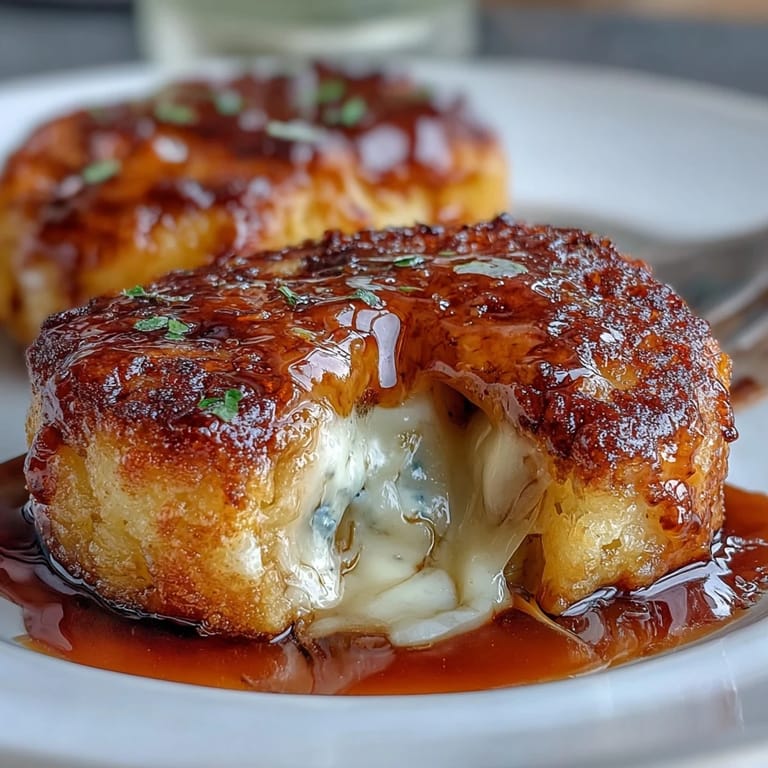
Save My upstairs neighbor handed me a plate of these through the doorway one rainy afternoon, still warm and glossy from the pan. I bit into one without asking what it was, and the moment that cheese pulled apart inside the chewy potato shell, I knew I had to learn how to make them. She called them imomochi, and within a week I'd made three batches trying to get that exact texture she'd nailed so effortlessly. Now they show up on my stove every time I need something that feels like a hug in food form.
I made these for a small dinner party once, thinking they'd be a cute appetizer. They disappeared so fast I barely got one myself, and two friends asked if I could teach them the recipe before they even left. One of them now makes a double batch every Sunday and freezes half for weeknight snacking. There's something about the chew and the sweetness of that glaze that makes people go quiet for a second, then immediately reach for another.
Ingredients
- Russet potatoes: Their starchy texture is key to getting that soft, stretchy mochi-like chew, and they mash up smoother than waxy varieties.
- Potato starch: This is what gives the dough its signature bounce and helps it hold together without feeling gummy or dense.
- Unsalted butter: Just a tablespoon adds richness and a little silkiness to the mashed potatoes while they're still warm.
- Salt: Seasons the dough from the inside out so the cheese and glaze don't have to do all the flavor work.
- Mozzarella cheese: Melts beautifully and pulls apart in long strings, though cheddar or gouda work if you want something sharper.
- Soy sauce: The salty backbone of the glaze that clings to every golden surface.
- Honey: Balances the soy with just enough sweetness to make the glaze sticky and shiny.
- Mirin: Adds a subtle depth and a hint of sweetness that rounds out the sauce.
- Rice vinegar: A small splash brightens everything and keeps the glaze from tasting too heavy.
- Neutral oil: For frying without competing flavors, canola or vegetable oil work perfectly.
Tired of Takeout? 🥡
Get 10 meals you can make faster than delivery arrives. Seriously.
One email. No spam. Unsubscribe anytime.
Instructions
- Boil and mash the potatoes:
- Drop the chopped potatoes into salted boiling water and cook until a fork slides through with no resistance, about 12 to 15 minutes. Drain them well and mash until completely smooth, no lumps allowed.
- Mix in butter and salt:
- While the potatoes are still steaming, fold in the butter and salt until everything melts together into a creamy, cohesive base.
- Form the dough:
- Add the potato starch and knead gently with your hands until the mixture comes together into a soft, slightly tacky dough. If it sticks to your palms too much, sprinkle in a little more starch.
- Stuff and shape:
- Divide the dough into eight pieces, flatten each one into a disc, tuck a cube of cheese in the center, and pinch the edges up and around to seal it completely. Roll it gently into a smooth ball.
- Pan-fry until golden:
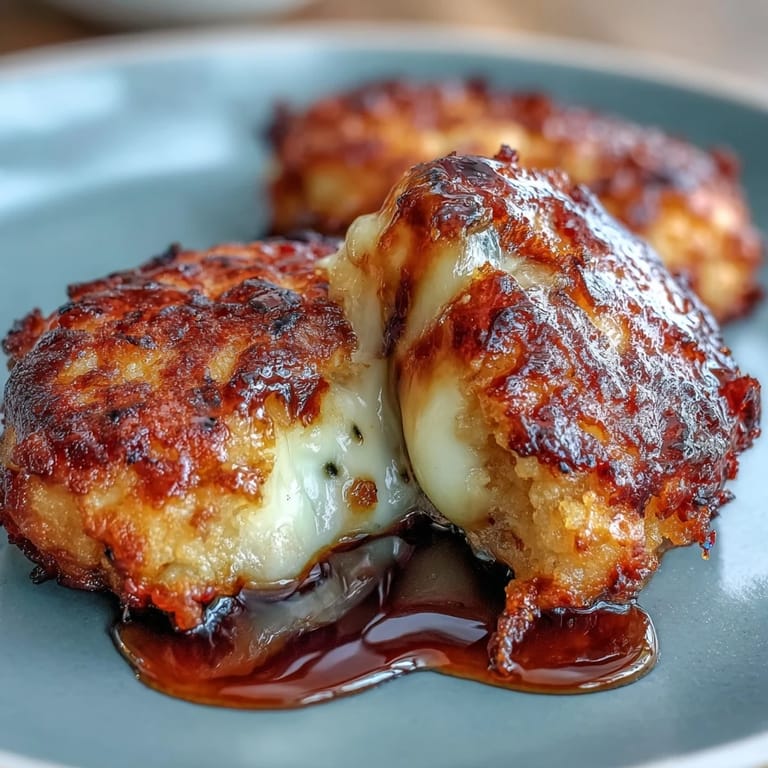
- Heat the oil in a nonstick skillet over medium heat, add the dumplings, and turn them every couple of minutes until every side is crisp and golden brown, about six to eight minutes total.
- Glaze and serve:
- Mix the soy sauce, honey, mirin, and rice vinegar in a small bowl, pour it into the skillet, and toss the dumplings gently until the sauce thickens and coats them in a shiny glaze. Serve them warm, maybe with a sprinkle of sesame seeds or scallions if you're feeling fancy.
 Save
Save 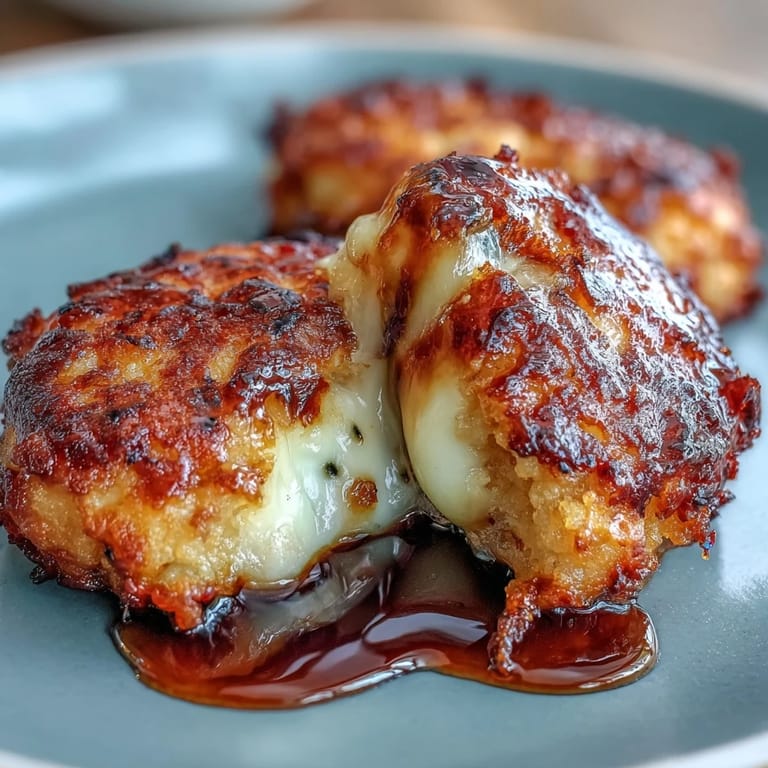 Save
Save The first time I nailed the texture, I sat on my kitchen floor and ate three of them straight from the pan, too impatient to plate them properly. My partner walked in and just laughed, then grabbed one and admitted they understood. It's one of those recipes that tastes even better when you're standing at the stove, sneaking bites before anyone else gets a chance.
Choosing Your Cheese
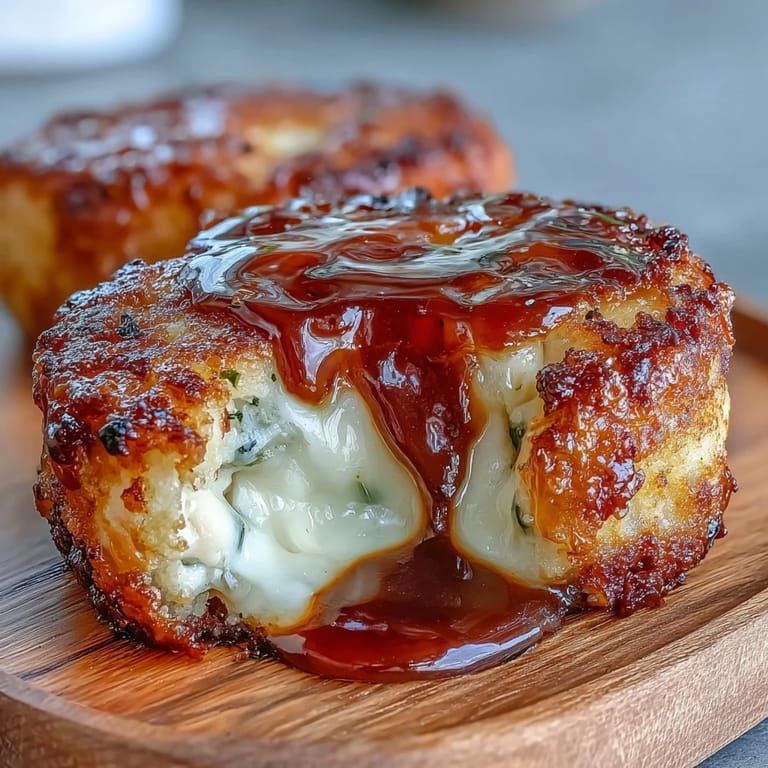
Mozzarella is classic because it melts into those Instagram-worthy cheese pulls, but I've used sharp cheddar when I wanted something with more bite, and gouda when I felt like getting a little smoky and sweet. The key is cutting it into cubes that are small enough to seal inside the dough but big enough to create that molten center when you bite in. If you're going vegan, most plant-based mozzarella shreds melt well enough, just test a small piece first to make sure it doesn't turn rubbery.
Getting the Glaze Right
The glaze should coat the back of a spoon and cling to the dumplings without pooling at the bottom of the pan. If it looks too thin after a minute or two, let it bubble a bit longer. If it thickens too fast and starts to stick, pull the pan off the heat and add a tiny splash of water to loosen it back up. I learned that the hard way after scorching a batch and having to scrape caramelized soy off my skillet for twenty minutes.
Serving and Storing
These are best eaten fresh and warm, right when the cheese is still gooey and the glaze is tacky. If you have leftovers, store them in an airtight container in the fridge for up to two days and reheat them in a skillet with a tiny drizzle of oil to crisp them back up. You can also freeze the shaped, uncooked dumplings on a tray, then transfer them to a bag and fry them straight from frozen, adding a couple extra minutes to the cooking time.
- Serve them with a side of pickled vegetables or a light cucumber salad to cut the richness.
- Sprinkle toasted sesame seeds or thinly sliced scallions on top for a little crunch and color.
- If you want to make a bigger batch, double the recipe and freeze half for whenever the craving hits.
 Save
Save  Save
Save Every time I make these, I remember that rainy afternoon and my neighbor's generous impulse to share something warm. Food has a way of sticking with you like that, especially when it's this good.
Recipe Help & Answers
- → Can I use regular flour instead of potato starch?
Potato starch is preferred for its chewy, mochi-like texture. Cornstarch works as a substitute, but all-purpose flour will make the dumplings denser and less authentic.
- → What type of cheese works best for imomochi?
Mozzarella is traditional for its melt and stretch, but cheddar, gouda, or any melting cheese works beautifully. Choose based on your preferred flavor intensity.
- → Can I make these ahead of time?
Yes, form the dumplings and refrigerate for up to 24 hours before frying. You can also freeze them uncooked for up to a month; fry directly from frozen, adding a few extra minutes.
- → How do I prevent the dumplings from falling apart?
Ensure the dough is well-kneaded and the cheese is fully sealed inside. If the mixture is too wet, add more potato starch gradually until it holds together properly.
- → Is there a vegan alternative?
Absolutely. Substitute plant-based butter and vegan cheese for the dairy components. The texture and cooking method remain the same for delicious vegan imomochi.
- → What can I serve with imomochi?
These pair wonderfully with fresh salad, pickled vegetables, or as part of a Japanese appetizer spread. They're substantial enough to enjoy on their own as a snack too.