 Save
Save The sound of sizzling oil and the vibrant aroma of ginger and garlic always remind me of the first time I tried making spring rolls in my tiny city kitchen. I'd barely unpacked my plates, but the urge to celebrate with crunchy, golden parcels was irresistible. My chopping board felt too small for the rainbow of vegetables spilling across it, yet somehow, the mess felt like part of the fun. Watching the wrappers bubble into crispness, I realized half the joy was in these little kitchen victories. Now, I crave the ritual almost as much as those perfectly crisp bites.
One rainy afternoon, my friends arrived drenched and shivering, and I greeted them with a plate stacked high with these spring rolls. We crouched by the kitchen island, still in our socks, while everyone reached for the warm rolls and scooped extra peanut sauce, laughter echoing over crackling bites. Somehow, soggy shoes and drizzle became the background to a quietly perfect evening.
Ingredients
- Spring roll wrappers: The key to a shatteringly crisp crust — keep them covered with a damp cloth to prevent drying as you work.
- Shredded green cabbage: Adds crunch and bulk; give it a quick toss with salt to soften if you like a gentler texture.
- Julienned carrots: Bright color and natural sweetness, cut as thinly as patience allows for the most even roll.
- Bean sprouts: Juicy crunch that freshens up every bite; rinse and dry thoroughly.
- Julienned red bell pepper: A sweet, vivid accent both visually and flavor-wise.
- Cooked vermicelli noodles: These soak up the dressing and help bind the filling for easier rolling.
- Green onions: Scattered throughout for a subtle bite — slice thin on the bias for the best look.
- Fresh cilantro: Herbaceous, fragrant, and completely transforming; try tearing instead of chopping for more flavor release.
- Soy sauce: Salty complexity for the filling and the sauce, best if you use a good-quality brand.
- Sesame oil: Just a little adds toasty depth — drizzle lightly, or it can overpower.
- Grated ginger: Lively kick that wakes everything up; use a microplane for a fine texture.
- Minced garlic: Warm, punchy flavor threading through every chew; don't skimp.
- Vegetable oil (for frying): Neutral flavor and high smoke point make this the safest choice for crisping.
- Creamy peanut butter: Makes the sauce luscious — keep whisking until no streaks remain.
- Rice vinegar: A splash of brightness to cut the richness of the peanut sauce.
- Honey or maple syrup: A touch of sweetness balances the sauce; choose based on vegan needs.
- Sriracha (optional): For a little background heat, but taste before adding too much.
- Warm water: This loosens the peanut sauce for perfect dipping consistency.
- Toasted sesame oil: Finishes the dipping sauce with a nutty uplift — use sparingly.
Tired of Takeout? 🥡
Get 10 meals you can make faster than delivery arrives. Seriously.
One email. No spam. Unsubscribe anytime.
Instructions
- Make the filling:
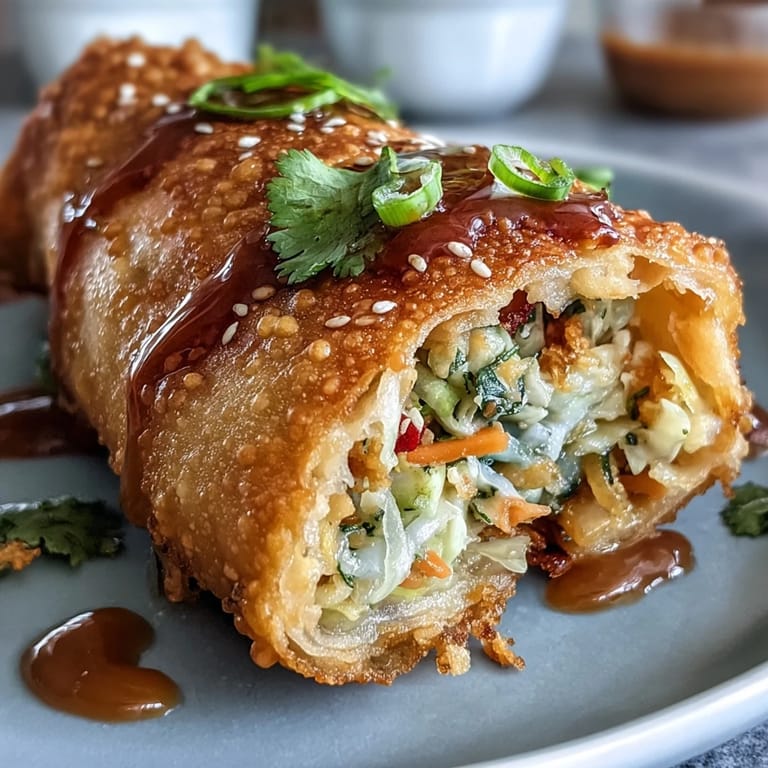
- Tumble the cabbage, carrots, bean sprouts, bell pepper, vermicelli, green onions, and cilantro into a big mixing bowl. Drizzle in the soy sauce, sesame oil, ginger, and garlic, then toss with your hands until the veggies shimmer and everything smells bright and savory.
- Roll it up:
- Lay a spring roll wrapper on a clean counter, one corner pointing toward you. Place a spoonful of filling near that corner, then fold the tip over, bring in the sides, and roll tightly away from you, sealing with a dab of water.
- Keep rolling:
- Repeat the fill-and-roll with each wrapper, working quickly so the wraps stay flexible. Cover finished rolls with a damp cloth so they don’t dry out while you finish the batch.
- Fry to golden:
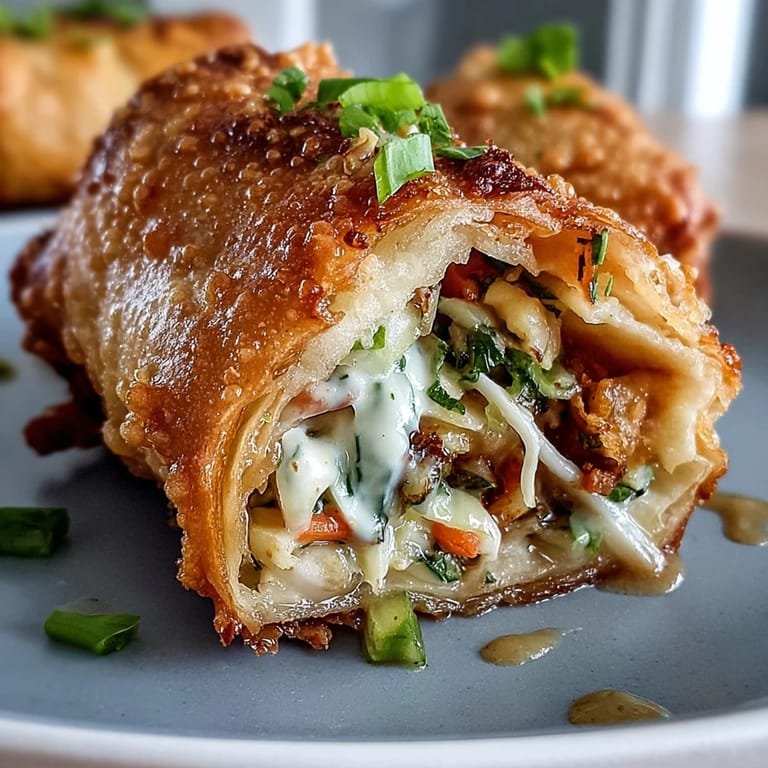
- Heat 2 inches of vegetable oil in your skillet until it shimmers and a tester sizzles on contact. Fry rolls in batches, turning with tongs, until deeply golden on all sides — about 3–4 minutes — then drain on paper towels for max crispness.
- Whip up the peanut sauce:
- In a small bowl, whisk the peanut butter, soy sauce, vinegar, honey, sriracha, warm water, and toasted sesame oil until velvety and smooth. Taste and tweak for your favorite balance of salt, tang, sweetness, and heat.
- Serve and share:
- Arrange the hot spring rolls on a platter with a big bowl of peanut sauce in the center, and watch everyone dive in while the crust is still crunching under their bite.
 Save
Save I still remember the look on my partner’s face the night we skipped takeout and made these together, flour dusted on our cheeks and the whole apartment smelling toasty and inviting. It was the first time dinner at home felt more special than eating out — spring rolls in hand, dipping sauce dripping onto our sleeves, both of us grinning at the couch picnic we’d created.
Mastering Rolling Technique (And Recovering From Mishaps)
Managing those wrappers can feel fussy, but a gentle touch goes a long way. If a wrapper tears, don't panic — just patch with a little extra piece or double roll, and nobody will notice after frying. Keeping a damp cloth over your unused wrappers also helps keep them supple. Tidy edges make your rolls look pro, but don't stress perfection — every slightly wonky shape still fries up beautifully.
Taming The Oil: Frying Like A Pro
I’ve found that patience pays off at the stove: let the oil come to a steady shimmer before your first roll ever hits the pan. Too cool, and rolls soak up oil and soften; too hot, and the outside browns too fast. If you’re nervous, test with a spare slice of carrot — it should bubble right away but not burn. And always fry in batches so the oil temperature holds steady for wonderfully crisp results.
Flavor Boosts & Serving Tips
For extra drama at the table, heap some fresh cilantro or mint over the platter, or tuck a few lime wedges on the side for zipping up the flavors. If you want to bake instead of fry, brush the rolls well with oil and crank up the oven — they get surprisingly crisp without all the clean-up. Don’t be afraid to riff with what's in your veggie drawer; the filling is flexible as long as it stays vibrant and fresh.
- Arrange rolls upright in a cup for an easy grab-and-dip presentation.
- Leftover peanut sauce is stellar on noodles or as a salad dressing.
- Serve immediately so everyone can enjoy the outer crunch.
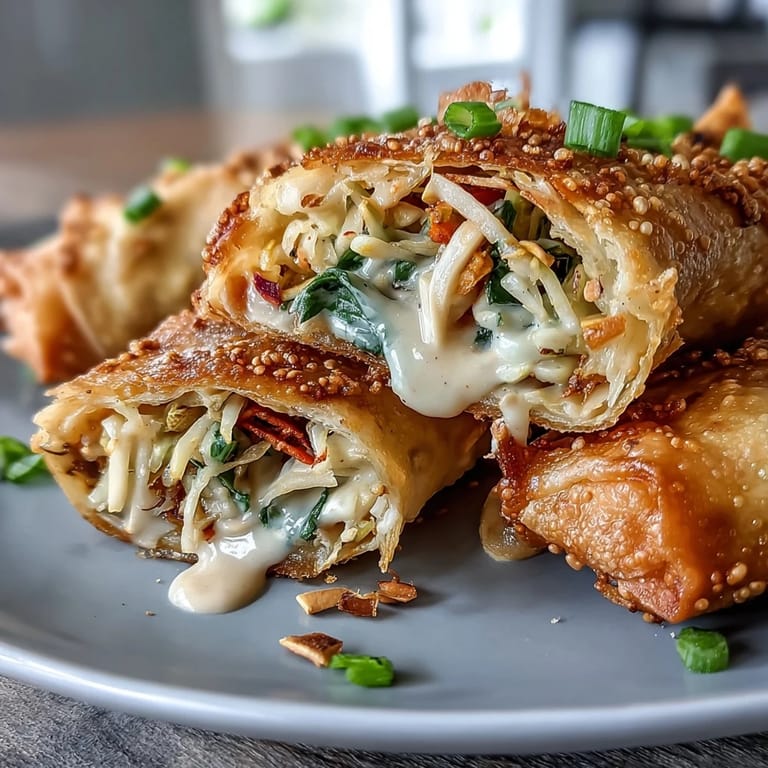 Save
Save Every spring roll is an invitation to dig in with your hands and enjoy — no matter who (or how many) you’re cooking for. These disappear quickly, but making them together is always half the fun.
Recipe Help & Answers
- → How do I prevent soggy rolls?
Drain and dry shredded vegetables well and toss with just a touch of soy and sesame oil. Chilling the filled rolls briefly before frying helps the wrapper seal and stay crisp. Fry in oil at the correct temperature so they crisp quickly without absorbing excess oil.
- → Can I bake them instead of frying?
Yes. Brush or spray rolls lightly with oil, arrange on a baking sheet and bake at 400°F (200°C) for about 15–18 minutes, turning halfway, until golden and crisp. Baking yields a lighter, less oily finish.
- → What are good substitutes for peanut butter?
For nut-free options, try tahini blended with a touch of maple and soy, or sunflower seed butter thinned with warm water and rice vinegar. Adjust sweetness and seasoning to match the balance of the original sauce.
- → How can I make them vegan?
Use maple syrup instead of honey and check wrappers to ensure they contain no egg. Also verify soy sauce and any packaged ingredients are vegan-friendly.
- → What oil and temperature are best for frying?
Use a neutral high-smoke-point oil such as vegetable or peanut oil. Heat to about 350°F (175°C) and fry in batches so the oil temperature recovers between batches; this produces an even, golden crisp.
- → How long can I store leftovers?
Store cooled, crisp rolls in an airtight container in the refrigerator for up to 2 days; reheat in a hot oven or air fryer to revive crispness. Keep the peanut sauce refrigerated separately for 4–5 days.