 Save
Save I stumbled upon this idea at a natural history museum gift shop, of all places, staring at a display of actual fossils pressed into stone. The shopkeeper caught me grinning like an idiot and mentioned she makes something similar with cheese for parties. That conversation stuck with me through the whole drive home, and I couldn't wait to try it in my own kitchen. The moment I pressed the first herb leaf into soft cheese and watched the impression hold, I knew I'd found something special—playful enough to make people smile, elegant enough to feel intentional.
I made this for my sister's book club last spring, and something unexpected happened. Everyone arrived already tired from their week, ready to retreat into polite small talk. Then someone picked up a piece, noticed the perfect herb fossil, and suddenly the whole room leaned in closer. We spent ten minutes just examining it like archaeologists before anyone took a bite. Food that gets people talking before they eat it has a kind of magic I hadn't quite believed in until that night.
Ingredients
- Soft cheese (250g): Goat cheese brings tang, cream cheese offers neutral richness, ricotta feels lighter—choose based on what mood you want the plate to have.
- Fresh herbs (1 small bunch): Parsley leaves the clearest imprints, but dill creates these delicate feathery patterns that look genuinely fossil-like.
- Olive oil (1 tbsp, optional): A light brush gives the cheese a subtle glow and keeps the surface from drying during display.
- Assorted nuts in shell (100g): Unshelled nuts look more authentic and dramatic scattered around—the broken shells become part of your landscape.
- Sea salt (1/2 tsp, optional): A tiny pinch makes the cheese taste less flat without announcing itself.
Tired of Takeout? 🥡
Get 10 meals you can make faster than delivery arrives. Seriously.
One email. No spam. Unsubscribe anytime.
Instructions
- Set your stage:
- Line a small tray with parchment paper so you can move the whole thing without your cheese crumbling onto a cutting board.
- Shape the landscape:
- Spread the soft cheese into a rough 2cm thick oval or round, letting the edges be a little uneven—perfection looks artificial. Smooth the top gently with a spatula so the herbs will press clearly into it.
- Make the fossils:
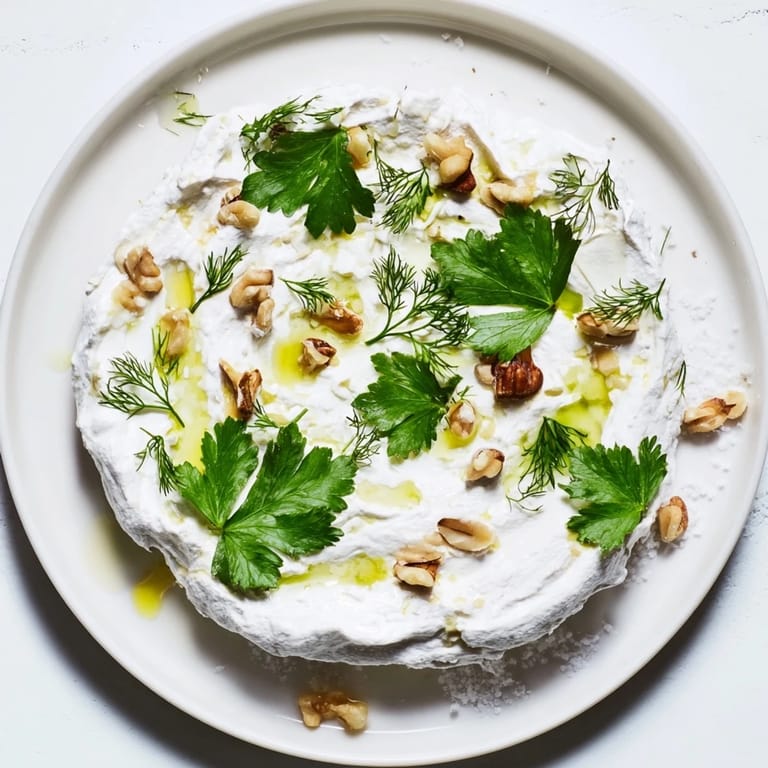
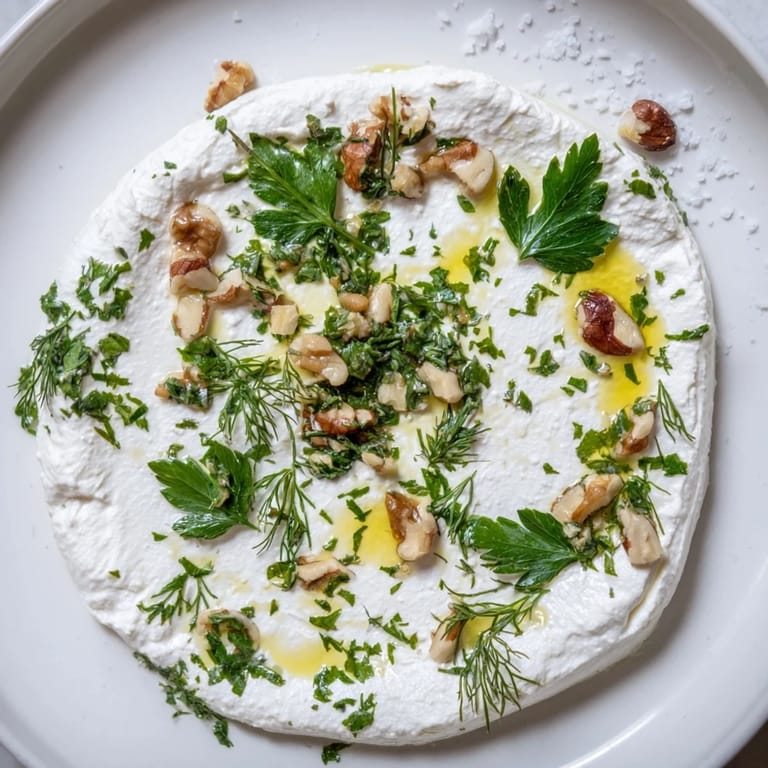
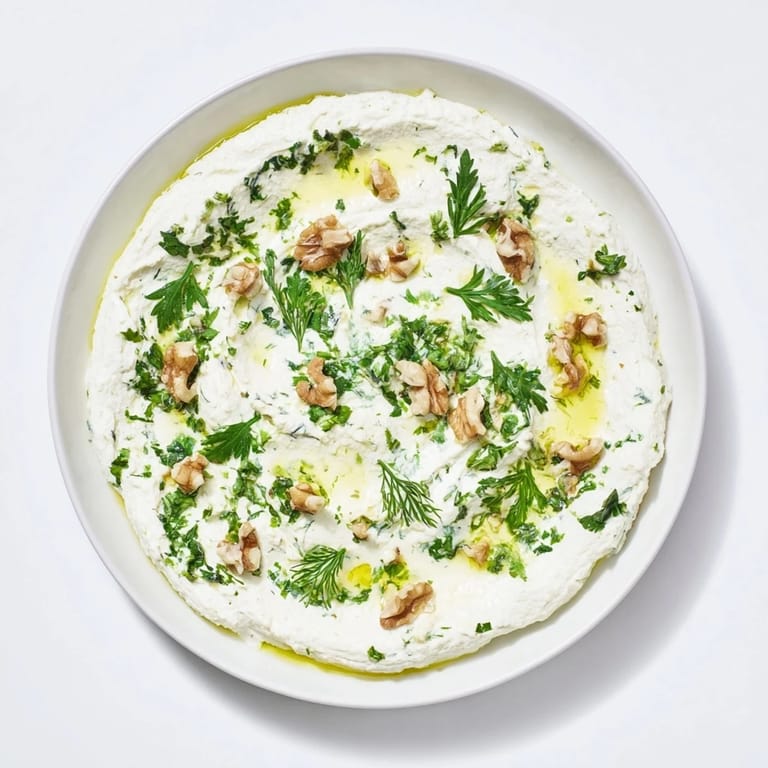
- Press fresh herb sprigs straight down into the cheese surface, holding for just a second so the impression sets. Lift straight up carefully and you'll see the ghost of every vein and serration left behind in the cheese like a real fossil.
- Add dimension:
- If you want, brush a thin layer of olive oil across the cheese surface—it catches light and makes the whole thing look more intentional and precious.
- Build the archaeology:
- Scatter cracked nuts around the cheese base, letting some shell fragments sit loose like you've just uncovered a dig site. This is where the visual storytelling happens.
- Finish if you like:
- A whisper of sea salt across the top deepens the flavor without making anyone say 'this tastes salty.'
- Serve or hold:
- Eat it right away while everything's at its freshest, or refrigerate until guests arrive—it actually holds beautifully for several hours in the cold.
 Save
Save My neighbor tasted this at a dinner party and asked if I'd studied archaeology. I hadn't, but I loved that she saw intention and expertise in what was really just careful play with ingredients. That's when I realized the best appetizers aren't about being complicated—they're about noticing small details and sharing them with people.
Choosing Your Cheese
The cheese you choose changes the whole personality of this dish. Goat cheese tastes brighter and more assertive, which pairs beautifully with sharp herbs like dill or cilantro. Cream cheese feels richer and more neutral, almost like an edible canvas that lets the herb patterns be the star. Ricotta sits somewhere gentle between them, and if you press carefully, it creates surprisingly delicate impressions. I've found that slightly cold cheese holds impressions cleanest, so pull it from the fridge right before you shape it.
The Herb Imprint Technique
This is simpler than it sounds but rewarding once you get the feel for it. The key is pressing straight down without twisting—imagine you're making a fossil cast, not stamping a seal. Delicate herbs like dill and chervil create these intricate feathery patterns that look genuinely ancient. Broader leaves like parsley give you clearer, bolder shapes. I've even tried using small edible flowers and gotten stunning results, though I always let the herbs dry slightly first so the impression doesn't blur.
Beyond the Basic Plate
Once you've made the foundational cheese fossil, you can take it in different directions depending on your mood and who's eating. A drizzle of really good honey across the top and a few crushed pistachios scattered around feels almost dessert-like. Serving it alongside fresh fig preserves or apricot jam creates an unexpected sweet-savory play. I've also scattered pomegranate seeds around the base for a pop of color and tartness that cuts through the cheese's richness beautifully.
- Try pairing it with a crisp Sauvignon Blanc or a light Prosecco to balance the richness.
- A vegan soft cheese works perfectly if your guests are plant-based—the imprints hold just as crisply.
- Serve with good crackers or toasted bread on the side so people have something to spread the cheese onto.
 Save
Save This dish works because it sneaks a little wonder onto the plate. Every time someone leans in to look more closely, you've already won.
Recipe Help & Answers
- → What types of cheese work best for this dish?
Soft cheeses like goat cheese, cream cheese, or ricotta provide a smooth texture ideal for creating detailed herb impressions.
- → Which herbs are recommended for the imprint patterns?
Fresh herbs with distinct shapes such as parsley, dill, cilantro, or chervil work well to leave clear fossil-like imprints.
- → Can nuts be used with shells for this presentation?
Yes, using nuts in the shell adds rustic visual appeal when cracked and arranged around the cheese.
- → Is olive oil necessary for this preparation?
Brushing olive oil lightly enhances the cheese surface with a subtle sheen but is optional based on preference.
- → How should this dish be served?
Serve immediately with crackers or fresh bread, or chill before serving for a refreshing snack option.