 Save
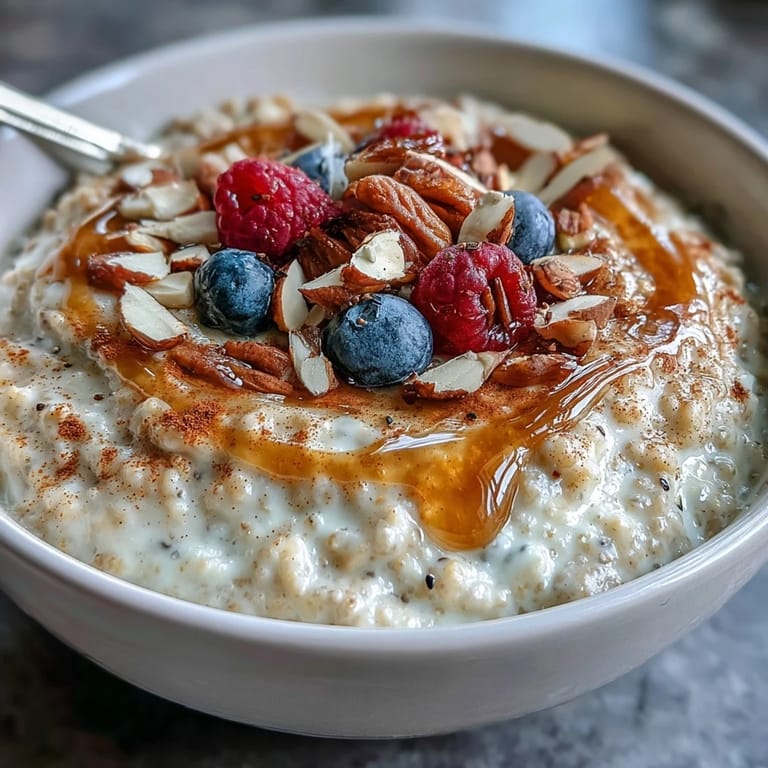
Save There's something about millet porridge that stops me mid-morning rush. Years ago, I picked up a bag of millet at a farmers market, mostly out of curiosity, and ended up discovering it made the silkiest, most forgiving breakfast I'd ever encountered. Unlike oats, which can turn gluey if you blink, millet stays delicate and almost buttery, absorbing spices like a sponge. That first bowl, topped with whatever berries I had thawing in the fridge, felt like a small luxury before eight a.m.
I made this for my sister during a winter visit when she was recovering from the flu. She'd been living on toast and plain yogurt, and I wanted something that felt nourishing without being heavy. Watching her actually finish a bowl and ask for seconds was the kind of small victory that reminded me why cooking for people matters.
Ingredients
- Millet, rinsed: This tiny golden grain might look intimidating, but rinsing it takes two seconds and prevents any dusty taste, which I learned the hard way my first time.
- Water and milk: The combination creates that creamy texture; I've found that using half coconut milk and half water adds richness without overpowering the grain itself.
- Maple syrup or honey: Either works beautifully, though I tend to reach for maple when I want earthiness and honey when I'm craving something brighter.
- Ground cinnamon, nutmeg, and cardamom: These three together create a warmth that tastes intentional rather than random; toast them slightly in a dry pan first if you have the moment.
- Mixed berries: Frozen works just as well as fresh and sometimes better because they don't get watery as they thaw into the warm porridge.
- Nuts and seeds for topping: Optional but worth it for the textural contrast; they add a little personality to each spoonful.
Tired of Takeout? 🥡
Get 10 meals you can make faster than delivery arrives. Seriously.
One email. No spam. Unsubscribe anytime.
Instructions
- Rinse and start:
- Run your millet under cool water in a fine mesh strainer, letting it drain completely. This takes about a minute and removes any debris or dust that can make the finished porridge taste chalky.
- Bring to life:
- Pour the millet into a medium saucepan with water and a pinch of salt, then bring it to a boil over medium-high heat. You'll notice the water will start to look slightly cloudy and then clear as the grains begin to soften.
- Simmer and stir:
- Once boiling, reduce the heat to low, cover the saucepan, and let it simmer for fifteen minutes. Stir it a few times during this period; you'll feel the grains starting to absorb the water and soften under your spoon.
- Introduce the creaminess:
- Pour in your milk along with the cinnamon, nutmeg, cardamom, and salt, stirring until everything is evenly combined. Cover again and cook for another ten minutes, watching as the porridge transforms into something luxuriously creamy.
- Sweeten to taste:
- Remove from heat and stir in your maple syrup or honey while the porridge is still steaming, letting it dissolve completely into the warm grains.
- Assemble and serve:
- Spoon the porridge into bowls and crown each one with berries, nuts, and seeds. If it seems too thick, thin it out with a splash of milk right before eating.
 Save
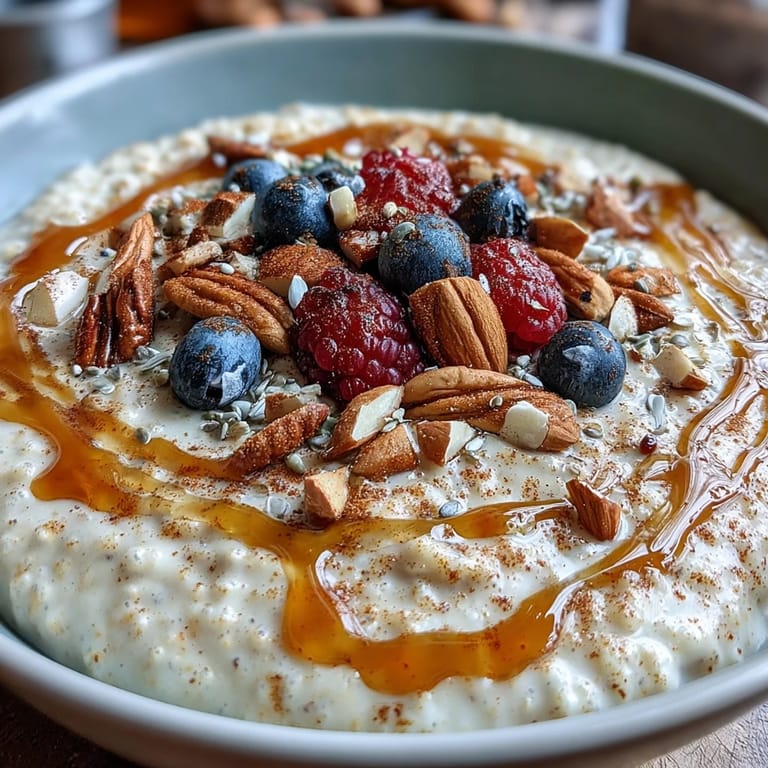
Save One quiet morning last month, I made this for my partner without asking, and they woke up to a warm bowl waiting on the bedside table. It's become our weekend ritual now, something we've started looking forward to in that specific way you crave a person's presence. Food doesn't have to be complicated to feel like love.
The Millet Advantage
I'll be honest—I used to think all grains cooked the same way, and millet proved me wrong immediately. It has a naturally delicate flavor that doesn't demand much, which means the spices and berries get to shine without competition. The texture lands somewhere between quinoa and oatmeal, but somehow better than both for breakfast because it stays interesting with every bite instead of becoming samey halfway through the bowl.
Timing and Temperature Matters
The biggest lesson I've learned is that low heat is your friend here. I tried cooking millet on medium once to speed things up, and the bottom burned while the top stayed slightly undercooked. Now I give it the low, slow treatment, and every single time it comes out perfect.
Customizing Your Bowl
This recipe is less a rigid formula and more a template for whatever you're craving. I've made it with cardamom and nothing else, I've added a pinch of turmeric for earthiness, I've even stirred in a little vanilla extract at the end. The core—rinsed millet, milk, warmth—stays constant, but your mood and pantry can absolutely take the lead. Think of each bowl as a small choice, a moment where you get to decide how you want to start your day.
- If berries aren't in season or budget, ripe sliced peaches or diced apples work beautifully instead.
- Nut butters stirred in at the end add protein and richness that makes it feel like dessert.
- Cold leftover porridge can be mixed with a little milk and reheated gently without losing its creamy texture.
 Save
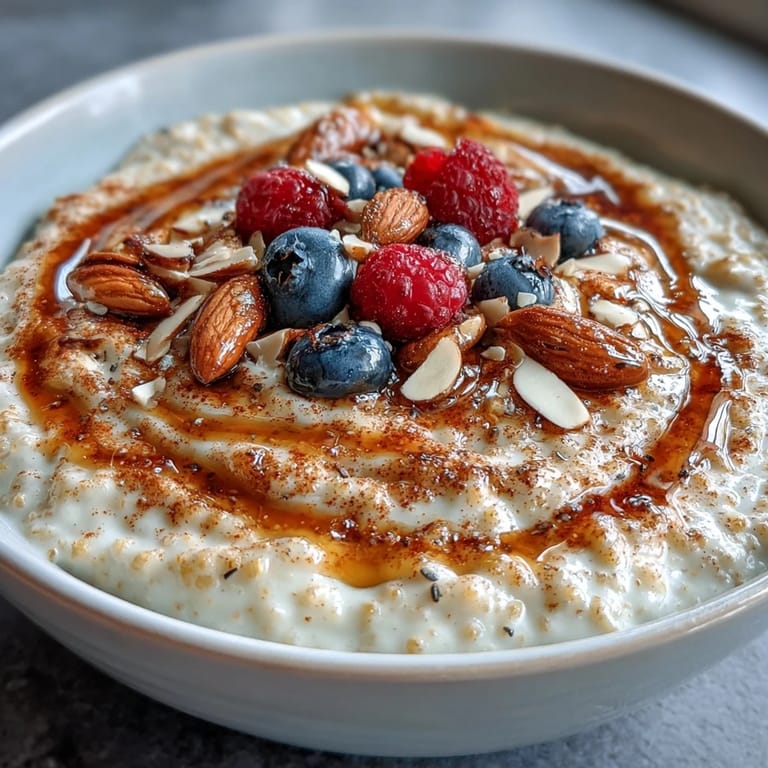
Save This bowl has become my quiet anchor on hectic mornings, the thing I make when I need to remember that slowing down is possible before nine a.m. I hope it becomes something similar for you.
Recipe Help & Answers
- → Is millet porridge gluten-free?
Yes, millet is naturally gluten-free, making this porridge suitable for those with gluten sensitivity or celiac disease. Always verify that your millet is certified gluten-free if cross-contamination is a concern.
- → Can I make this porridge ahead of time?
Absolutely. The porridge keeps well in the refrigerator for 3-4 days. Reheat with a splash of milk to restore creaminess. Add fresh berries just before serving for the best texture and flavor.
- → What milk works best in this porridge?
Both dairy and plant-based milks work beautifully. Whole milk creates the richest texture, while oat milk and coconut milk add natural sweetness and creaminess. Almond milk is a lighter option.
- → Can I substitute the millet?
Yes, quinoa, amaranth, or steel-cut oats make excellent substitutes. Adjust cooking time slightly—quinoa typically cooks faster, while steel-cut oats may need a few extra minutes to reach desired creaminess.
- → How do I prevent the porridge from becoming too thick?
The porridge naturally thickens as it cools. Simply stir in additional warm milk, water, or coconut cream until you reach your preferred consistency. A splash of liquid also refreshes leftovers perfectly.
- → Are frozen berries suitable for this dish?
Frozen berries work wonderfully and are available year-round. Gently warm them in a small pan before topping, or add them directly to hot porridge—the heat will thaw them quickly while releasing their natural juices.