 Save
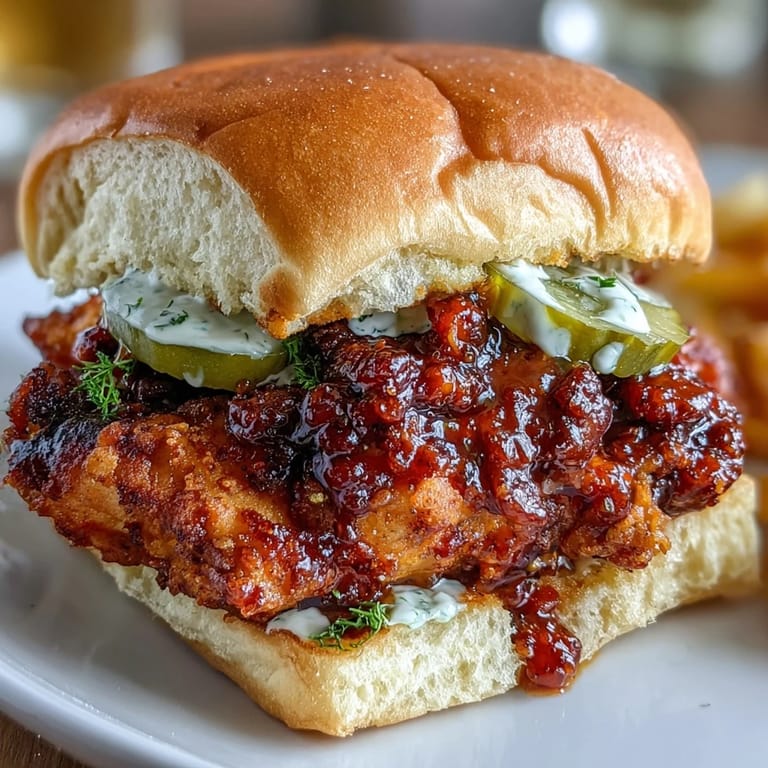
Save My first encounter with Nashville hot chicken happened on a humid July evening when my neighbor knocked on the door with a paper bag that smelled like cayenne and redemption. She'd just returned from a food festival downtown, and before I could even ask questions, she was already pulling out these tiny, crimson-dusted chicken sandwiches that made my eyes water just looking at them. One bite and I understood the obsession—that perfect balance of heat, crunch, and tangy pickle brightness that somehow made me want another slider immediately after my mouth stopped burning. I spent the next week reverse-engineering her recipe, testing spice ratios and marinade times until I'd created something that tasted like I'd flown to Tennessee for the afternoon.
I made these for a game day gathering last fall, and watching my brother's face go from confident to genuinely concerned after his first bite was absolutely worth the hour of prep work. He kept fanning his mouth but couldn't stop eating, which became the running joke of the afternoon—everyone ended up doing the same thing. The sliders disappeared faster than I could replenish the platter, and suddenly I was the person people called when they wanted Nashville hot chicken, which felt oddly like winning an invisible kitchen award.
Ingredients
- Boneless, skinless chicken thighs (1 lb): Thighs stay more tender than breasts when fried, and their natural fat content means you get juicier results even if you accidentally overcook slightly—they're forgiving in the best way.
- Buttermilk (1 cup): This acidic marinade tenderizes the chicken and creates a subtle tang that plays beautifully against the spice; if you don't have buttermilk, whisk regular milk with a tablespoon of lemon juice and let it sit for five minutes.
- All-purpose flour (1 cup): The foundation of your crispy crust—don't skip the dredging step or get lazy about pressing the flour mixture to stick.
- Cayenne pepper (2 tablespoons): This is your heat source, so taste a tiny pinch before committing to the full amount if you're unsure about your spice tolerance.
- Paprika, garlic powder, onion powder (1 tablespoon, 1 teaspoon, 1 teaspoon): These build savory depth and keep the heat from becoming one-dimensional or overwhelming.
- Vegetable oil: You need enough to reach about an inch up the sides of your skillet—the oil temperature matters more than you'd think, so grab a thermometer if you have one.
- Mayonnaise and dill pickle juice (1/2 cup and 2 tablespoons): This aioli is what transforms hot chicken from spicy to balanced; the pickle juice also prevents the mayo from tasting too heavy.
- Slider buns (8 total): Soft buns are essential—they should feel pillowy and hold up to the juices without falling apart, so avoid anything too dense or crispy.
Tired of Takeout? 🥡
Get 10 meals you can make faster than delivery arrives. Seriously.
One email. No spam. Unsubscribe anytime.
Instructions
- Marinate the chicken:
- Place your chicken thighs in a bowl, season lightly with salt and pepper, then pour buttermilk over everything until the pieces are submerged. Cover the bowl and slide it into the refrigerator for at least two hours—overnight is even better if you're planning ahead, since the longer soak makes the chicken almost impossibly tender.
- Mix your spice blend:
- In a shallow dish, whisk together the flour, cayenne, paprika, garlic powder, onion powder, salt, and black pepper until you can't see any streaks of color. The even distribution matters because patchy seasoning means some bites are bland and others are almost inedible.
- Prepare the chicken for frying:
- Pull each thigh from the buttermilk, letting the excess drip back into the bowl—don't shake it off aggressively or you'll lose the protective coating. Dredge each piece thoroughly in the flour mixture, pressing gently so the spices adhere and create that crucial crispy shell.
- Heat your oil:
- Pour about an inch of vegetable oil into your heaviest skillet and set it over medium-high heat, aiming for 350°F—this temperature is the sweet spot where the exterior browns before the interior dries out. If you don't have a thermometer, drop a tiny piece of bread into the oil and time how long it takes to brown; it should take about 60 seconds.
- Fry in batches:
- Carefully place chicken pieces into the hot oil, listening for that satisfying sizzle that tells you everything is working correctly. Fry for about four to five minutes per side until the coating turns a deep golden brown and the internal temperature hits 165°F, then transfer to a wire rack so excess oil drains away.
- Make the aioli:
- While the chicken finishes cooking, stir together mayonnaise and dill pickle juice in a small bowl—the pickle juice should be acidic enough to taste and cut through the richness of the mayo.
- Toast and assemble:
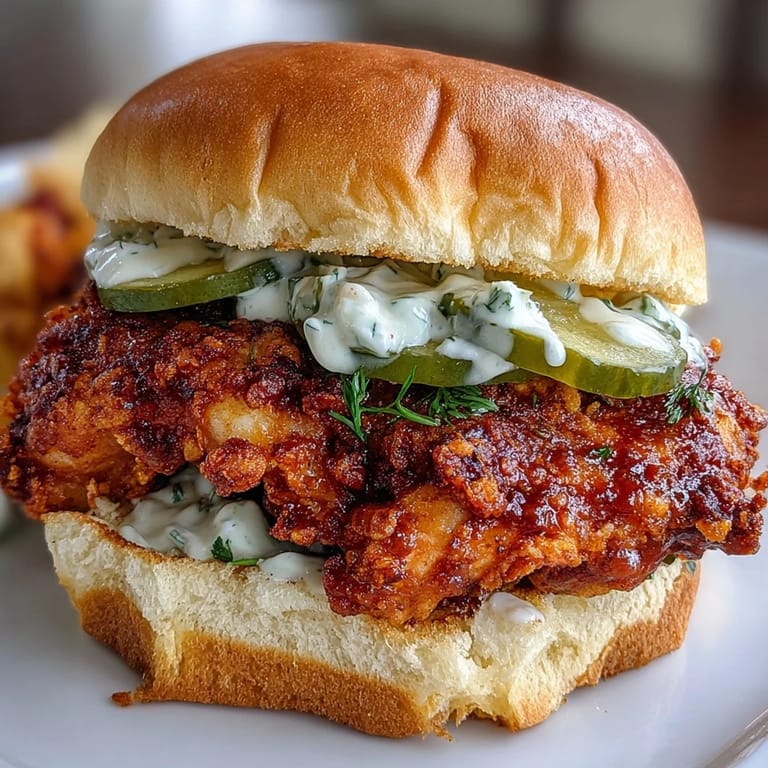
- If your slider buns are soft, you can skip toasting, but a quick pass in the oven or on a griddle gives them a subtle warmth and helps them stand up to the juices. Layer each bun bottom with a piece of hot fried chicken, add a few dill pickle slices, spoon over a generous dollop of aioli, and crown with the bun top—serve immediately so the buns stay soft and everything is still warm.
 Save
Save There's something almost ceremonial about serving sliders hot off the skillet, watching people's faces shift from anticipation to genuine heat-induced surprise to absolute addiction. These aren't fancy or complicated, but they somehow make a regular weeknight feel like an occasion.
The Heat Spectrum
Not everyone shares the same spice tolerance, and that's okay—this recipe is flexible enough to accommodate brave eaters and cautious ones at the same table. If your crowd leans milder, reduce the cayenne to one tablespoon or even three-quarters tablespoon, and the sliders will still have plenty of personality without making anyone regret their choices. For the truly fearless, you could bump it up to three tablespoons, though I'd suggest tasting the raw spice mixture first to avoid creating something genuinely inedible.
The Double-Dip Secret
Once you master the basic version, try the double-dip technique for extra crunch—after your first flour coating, dunk the chicken back into buttermilk, then dredge again in the spice mixture. This creates a thicker, more textured crust that stays crispy even if the sliders sit out for a few minutes, which is useful if you're cooking for a crowd and can't have everything done at exactly the same time. The extra layer of coating also insulates the chicken slightly, reducing the risk of overcooking the interior while chasing that perfect golden exterior.
Beyond the Basic Slider
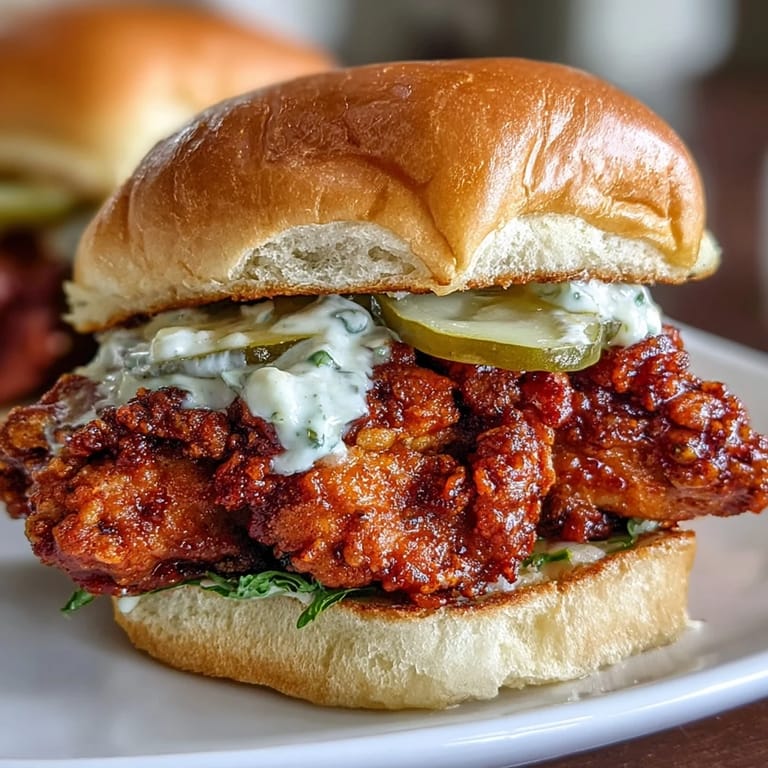
While the classic combination of chicken, pickle aioli, and pickle slices is genuinely perfect, there's room to play and personalize based on what's in your kitchen or what sounds good that day. A light slaw (regular or spicy) adds textural contrast and helps balance the heat, while a thin tomato slice brings freshness and acidity that plays well with the cayenne. Some people swear by adding a crispy piece of bacon or a slice of sharp cheddar, and honestly, those additions don't hurt—just keep the slider proportions in mind so you can actually fit it in your mouth.
- Keep aioli on the side if you're serving to guests with varying spice preferences so people can control their own heat level.
- Slider buns dry out quickly, so assemble just before serving and have everything prepped and ready to go.
- Leftover fried chicken keeps in the refrigerator for three days and can be reheated gently in a low oven, though the texture won't be quite as crispy as fresh.
 Save
Save Nashville hot chicken sliders are proof that some of the best food doesn't require fancy techniques or hard-to-find ingredients—just confidence, a hot skillet, and respect for the balance between heat and flavor. Make them once, and you'll be making them forever.
Recipe Help & Answers
- → How do I adjust the spiciness of the chicken?
Reduce the amount of cayenne pepper in the breading mix to lessen the heat or increase it for a spicier finish.
- → What is the purpose of marinating the chicken in buttermilk?
Buttermilk tenderizes the chicken and helps the breading adhere, resulting in juicy, flavorful bites.
- → Can I make these sliders gluten-free?
Yes, substitute all-purpose flour and slider buns with gluten-free alternatives to accommodate dietary needs.
- → What oil is best for frying?
Use vegetable oil or another neutral oil with a high smoke point to achieve a crispy, evenly fried crust.
- → How do I make the dill pickle aioli?
Mix mayonnaise with dill pickle juice until combined; this adds a tangy, creamy element that complements the heat.