 Save
Save My neighbor stopped by one June afternoon with a basket of strawberries from her garden, and I stood there holding them, wondering what to do beyond jam. That's when I remembered a salad I'd had at a little cafe near the coast—chicken, strawberries, spinach, and something bright and tangy tying it all together. Within an hour, I had this dish on the table, and she asked for the recipe before finishing her plate. Now it's become my go-to when I want something that feels special but doesn't demand hours in the kitchen.
I made this for a small gathering last summer, and what struck me most was watching people actually pause mid-conversation to take another bite. No one pushed their plate away halfway through—they finished it, then asked if they could have the dressing recipe written down. There's something about the combination of textures and flavors that makes people slow down and really taste what's in front of them.
Ingredients
- Boneless, skinless chicken breasts (2): Pat these dry before seasoning so they'll get a better sear on the grill and stay juicy inside.
- Olive oil (1 tablespoon): Just enough to coat the chicken and prevent sticking without making it greasy.
- Garlic powder, salt, and black pepper: The simple seasoning lets the chicken shine without overwhelming the delicate salad flavors.
- Fresh baby spinach (6 cups): Baby spinach is tender and sweet compared to mature leaves, and it won't wilt into mush when you dress it.
- Fresh strawberries (1 1/2 cups, hulled and sliced): Use berries that are fully ripe but still firm—overripe ones will turn to mush, and underripe ones taste tart in a way that fights the dressing.
- Red onion (1/3 cup, thinly sliced): The bite of raw onion cuts through the richness of the feta and dressing beautifully.
- Crumbled feta cheese (1/2 cup): The saltiness is crucial; it balances the sweetness of the strawberries and honey in the dressing.
- Toasted pecans or walnuts (1/3 cup): Toasting them yourself brings out their nutty depth and gives the salad a satisfying crunch.
- Mayonnaise (1/4 cup): This creates the creamy base that makes the dressing cling to the leaves.
- Plain Greek yogurt (2 tablespoons): It lightens the dressing without making it thin, and adds a subtle tanginess that plays well with the strawberries.
- Honey (2 tablespoons): A small drizzle sweetens the dressing just enough to complement the tart vinegar.
- Apple cider vinegar (2 tablespoons): This adds brightness and a gentle tartness that doesn't overpower like white vinegar would.
- Lemon juice (1 tablespoon): Keeps the strawberries from browning and adds a fresh note to the dressing.
- Poppy seeds (1 tablespoon): They give the dressing visual interest and a subtle nuttiness that ties everything together.
Tired of Takeout? 🥡
Get 10 meals you can make faster than delivery arrives. Seriously.
One email. No spam. Unsubscribe anytime.
Instructions
- Get your grill ready:
- Heat your grill or grill pan to medium-high heat for about 5 minutes—you want it hot enough that a drop of water sizzles immediately. This matters more than you'd think because it's what gives the chicken those golden brown marks that taste like summer.
- Season and oil the chicken:
- Brush both sides of your chicken breasts with olive oil, then sprinkle generously with garlic powder, salt, and pepper. Don't skip the oil step; it prevents the chicken from sticking and helps the seasoning cling.
- Grill the chicken:
- Place the chicken on the hot grill and resist the urge to move it around—let it sit for 6 to 7 minutes until the underside is golden and releases easily. Flip it once and cook the other side for another 6 to 7 minutes until a meat thermometer reads 165°F or the juices run clear when you pierce the thickest part.
- Let it rest:
- Transfer the chicken to a cutting board and let it sit for 5 minutes—this keeps all the juices inside instead of running out onto your plate when you slice it. You'll taste the difference.
- Make the dressing while chicken cooks:
- While the chicken is grilling, whisk together mayonnaise, Greek yogurt, honey, apple cider vinegar, lemon juice, poppy seeds, salt, and pepper in a small bowl. Taste it and adjust the honey or vinegar to match your preference—some days you'll want it brighter, other days creamier.
- Assemble the salad base:
- In a large bowl, combine the spinach, sliced strawberries, red onion, crumbled feta, and toasted nuts, but don't dress it yet. The salad will stay fresher and brighter if you wait until the last moment.
- Slice and top:
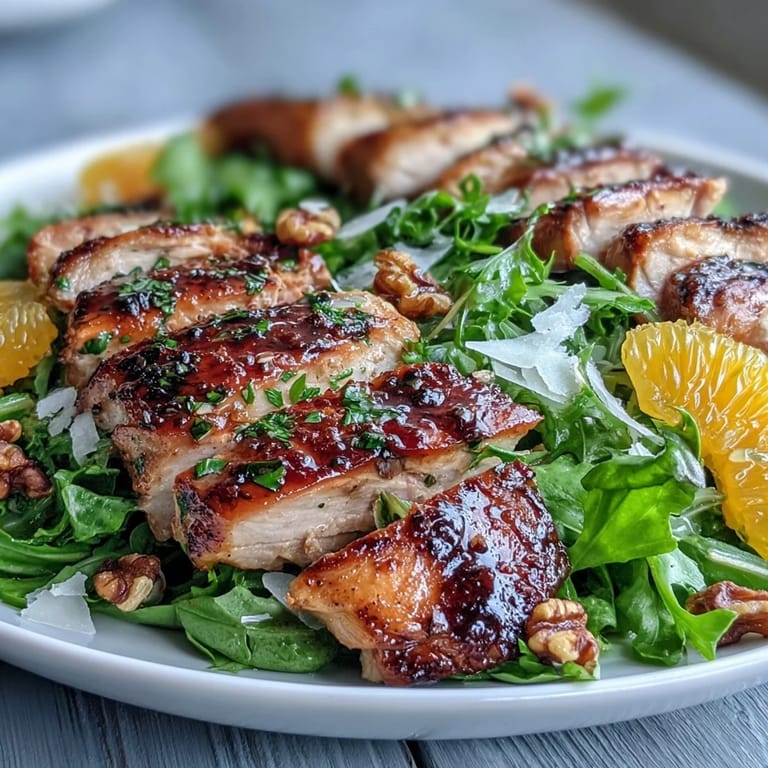
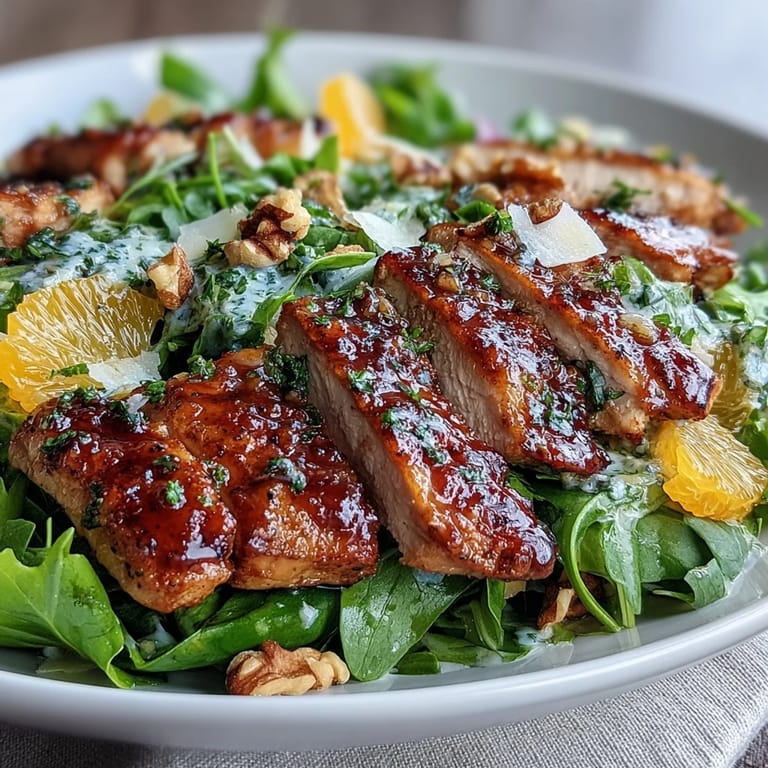
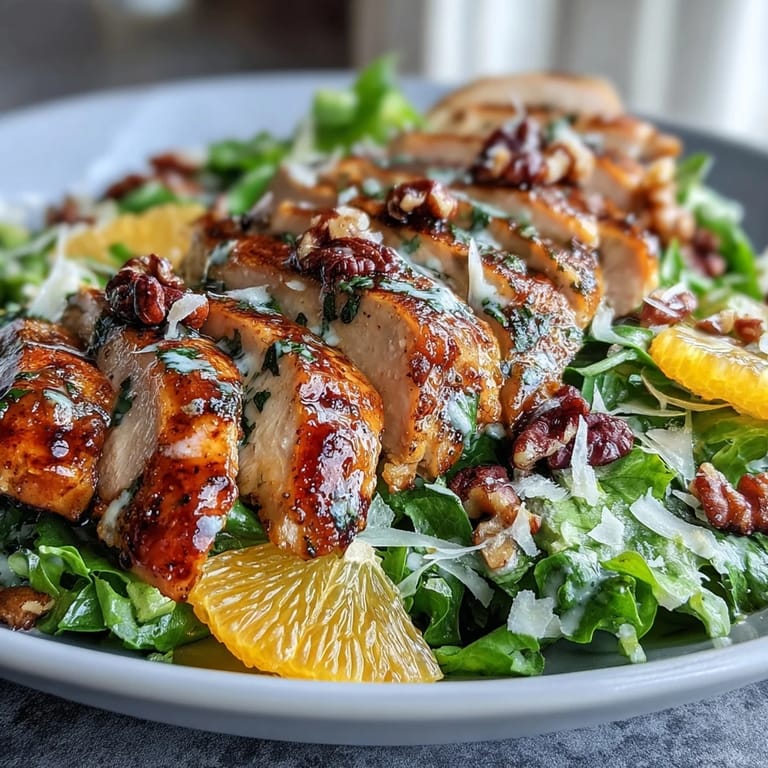
- Slice the rested chicken into thin strips and arrange it over the salad so it's visible and inviting. The warm chicken will be perfect against the cool, crisp greens.
- Dress and serve:
- Drizzle the poppy seed dressing over everything just before serving and toss gently so every leaf gets coated but nothing gets crushed. Serve immediately while the chicken is still warm.
 Save
Save There was an evening when I made this salad for my sister after she'd had a rough week, and she told me later that the act of eating something so colorful and fresh had actually changed her mood. Food does that sometimes—it's not just fuel, it's a small kindness you can offer someone, including yourself.
Why This Salad Works
The magic here is contrast. The warm, savory chicken against cold, sweet strawberries. The creamy feta against crispy nuts. The tangy dressing against the delicate spinach. Most salads fail because they're one-note, but this one keeps your palate interested from the first bite to the last. Every component has a reason to be there, and none of them compete for attention—they all support each other.
Variations That Work
I've made this salad different ways depending on what I have on hand or what season it is. In spring, I sometimes swap the pecans for sliced almonds and add a handful of fresh mint. If strawberries aren't in season, I've used fresh raspberries or even stone fruit like peaches, and the dressing adapts beautifully. Some people prefer goat cheese instead of feta—it's creamier and less salty, which shifts the whole flavor profile in an interesting way. The core idea is flexible enough to work with what your farmers market offers that day.
Dressing Tips and Tricks
The dressing is what elevates this from a nice salad to something people remember. I've learned that the ratio of honey to vinegar matters—too much of either one and the whole thing tips out of balance. Start with what the recipe says, then adjust by taste. Some days I add an extra teaspoon of honey if the strawberries are particularly tart, or a splash more vinegar if I want it brighter. The poppy seeds shouldn't be toasted; they stay fresher tasting when raw, and they add visual specks that make the dressing look homemade and intentional.
- Make the dressing at least an hour ahead if you can, as the flavors marry and deepen.
- If you're doubling the recipe, don't double the poppy seeds—one and a half tablespoons is enough for eight servings.
- Leftover dressing keeps for three days in the fridge and works beautifully on other salads, roasted vegetables, or even as a light dip.
 Save
Save This salad has become my answer to the question of what to make when I want to feel good about what I'm eating. It's the kind of dish that proves you don't need complicated techniques or endless ingredients to make something that feels special.
Recipe Help & Answers
- → How do I ensure the chicken stays juicy?
Brush the chicken with olive oil and avoid overcooking by grilling it 6–7 minutes per side until the juices run clear. Let it rest before slicing to retain moisture.
- → Can I substitute the nuts used in the salad?
Yes, toasted pecans or walnuts work well, and almonds can be used for a different crunch and flavor.
- → How is the poppy seed dressing made?
Whisk together mayonnaise, Greek yogurt, honey, apple cider vinegar, lemon juice, poppy seeds, salt, and pepper until smooth for a creamy, tangy dressing.
- → What cheese pairs best with this dish?
Crumbled feta cheese adds a tangy creaminess, but goat cheese can be substituted to vary the flavor.
- → Is this dish suitable for gluten-free diets?
Yes, all ingredients are gluten-free, making it suitable for those avoiding gluten.