 Save
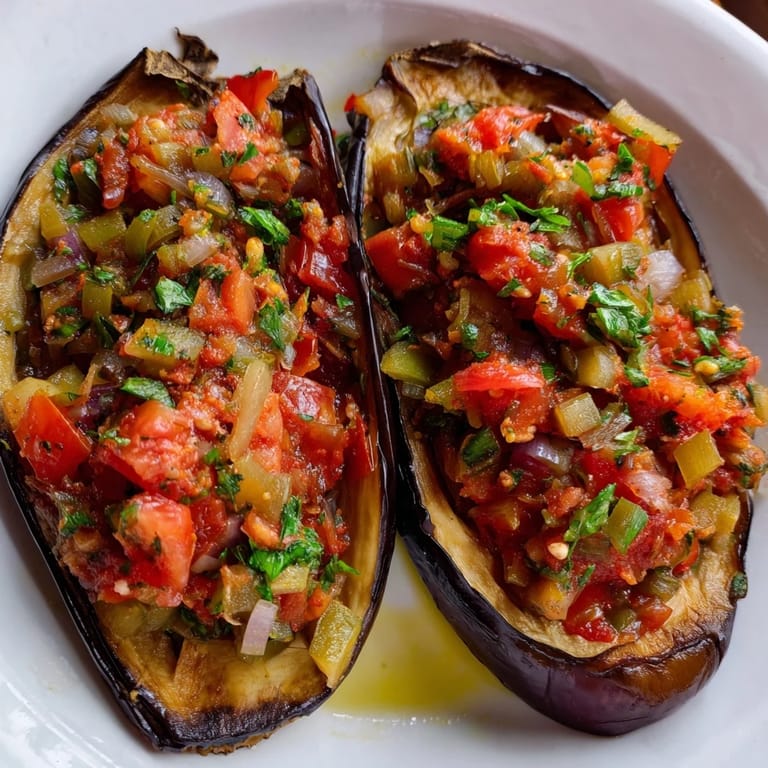
Save My first encounter with imam bayildi happened in a small Istanbul kitchen where a woman named Ayşe was preparing it for her family's evening meal. The way she moved through each step—salting the eggplants, building that fragrant filling with careful handfuls of tomatoes and onions, the oil sizzling as they softened—felt like watching someone tend a garden. She explained that the name itself means "the imam fainted," supposedly from the sheer pleasure of eating it, and watching her work, I understood why that legend existed at all.
Years later, I made this for a dinner party on a September evening when my kitchen filled with the smell of caramelizing onions and I realized my guests were lingering in the doorway, drawn in by the aroma alone. By the time we sat down, the eggplants had cooled to that perfect warm-room-temperature state, and someone asked for the recipe before even finishing their first bite—the real test of anything worth cooking.
Ingredients
- Eggplants (4 medium, about 250 g each): Choose ones that feel heavy for their size and have smooth, unblemished skin; they'll have less bitterness and cook more evenly.
- Onions (3 medium, thinly sliced): Sweet onions work beautifully here, and slicing them thin means they melt into the filling rather than staying chunky.
- Tomatoes (4 ripe, peeled and diced): Use tomatoes at peak ripeness—this is where the filling gets its soul, so don't reach for the pale winter ones.
- Garlic (4 cloves, minced): Fresh garlic makes a world of difference; jarred just doesn't have the same life to it.
- Green bell peppers (2, seeded and finely chopped): They add sweetness and a subtle vegetal brightness that balances the richness of the oil.
- Flat-leaf parsley (1 bunch, chopped): Add it at the end so it stays vibrant and doesn't turn dark and metallic from cooking too long.
- Extra virgin olive oil (120 ml / ½ cup): Use oil you'd actually want to taste; this dish lives and dies by its quality.
- Water (120 ml / ½ cup): This keeps everything moist during baking and becomes part of the gentle steam that softens the eggplants.
- Lemon juice (½ lemon): Just enough acid to wake up all the flavors without making it taste obviously lemony.
- Sugar (1 tsp): A small amount rounds out the tomatoes' acidity and deepens their flavor.
- Sea salt (1½ tsp, plus more to taste): Salt the eggplants upfront to pull out moisture; it's a crucial step that prevents a watery finished dish.
- Black pepper (½ tsp): Freshly ground tastes less dusty and more alive than pre-ground.
- Paprika (1 tsp, optional): If you use it, look for the smoked variety for a subtle depth that feels almost smoky-sweet.
Tired of Takeout? 🥡
Get 10 meals you can make faster than delivery arrives. Seriously.
One email. No spam. Unsubscribe anytime.
Instructions
- Prep the eggplants:
- Wash them and use a vegetable peeler or knife to remove lengthwise stripes of skin, leaving some intact for visual interest and structural support. Cut a slit down the length of each one, being careful to leave the ends uncut so they stay whole.
- Salt and rest:
- Sprinkle the eggplants generously with salt inside and out, then set them aside for 20 minutes while you go make tea or prep other ingredients. This draws out the bitterness and excess moisture.
- Build the filling:
- Heat half the olive oil in a large skillet over medium heat and add your sliced onions. Let them cook slowly until they're golden and soft, about 8 minutes—this is worth not rushing. Add the minced garlic and chopped peppers, cooking for just 3 more minutes until fragrant.
- Simmer the tomato base:
- Stir in your diced tomatoes along with the sugar, salt, pepper, and paprika if using. Let this bubble gently for about 10 minutes until it thickens and the raw tomato taste mellows into something deeper. Taste and adjust seasoning, then fold in the fresh parsley.
- Rinse and dry the eggplants:
- Run them under cool water to rinse away the salt, then pat them very dry with paper towels. This prevents them from steaming instead of frying.
- Fry until golden:
- Heat the remaining olive oil in a clean skillet over medium heat and gently lay in the eggplants, turning them carefully until all sides are lightly browned and they've begun to soften, about 8 minutes total. You're not trying to cook them through, just give them color and start the process.
- Stuff and arrange:
- Place the fried eggplants in a baking dish and carefully open up each slit, then generously spoon the filling inside. It's okay if some spills into the bottom of the dish—that becomes sauce.
- Add liquid and cover:
- Drizzle everything with lemon juice and pour water around the eggplants (not over them). Cover tightly with foil.
- Bake covered:
- Slide into a preheated 180°C (350°F) oven and bake for 35 minutes covered. The eggplants will steam gently and soften through.
- Finish uncovered:
- Remove the foil and bake for another 10–15 minutes until the eggplants are tender enough to cut with a spoon and the filling is bubbling at the edges. This final uncovered time lets some of the liquid reduce and concentrates the flavors.
- Cool before serving:
- Let the dish come to room temperature—this is when the flavors truly marry and the texture becomes silky.
 Save
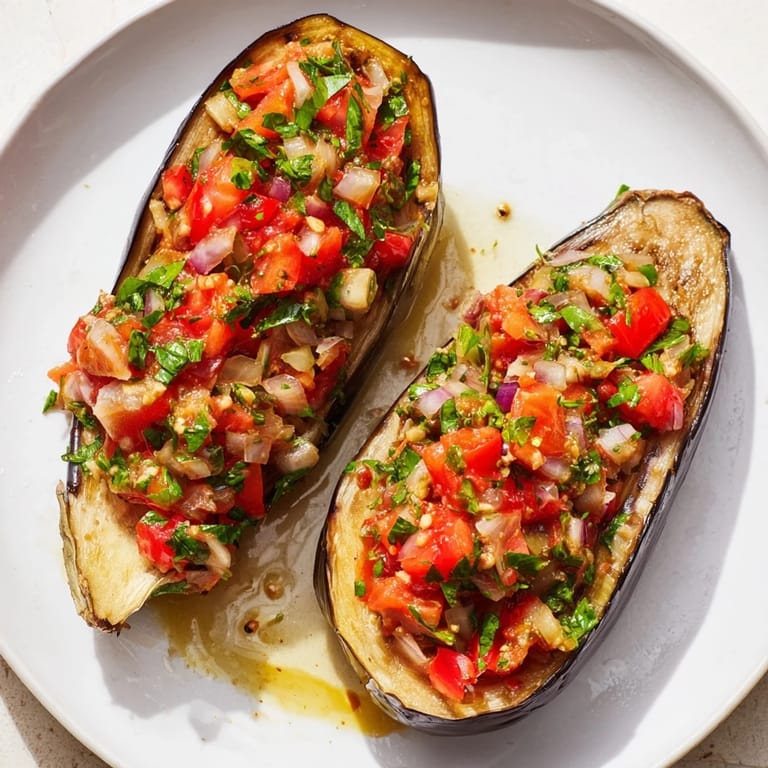
Save I served this once to a guest who had just moved to the city and was homesick, and watching them take that first bite and close their eyes—like it transported them somewhere—reminded me that cooking is sometimes about feeding memories, not just bodies. That's when imam bayildi shifted from a recipe I enjoyed making to something that felt meaningful.
The Soul of the Filling
Everything hinges on building the filling slowly, letting the onions caramelize and deepen before adding anything else. When you rush this step, the filling tastes raw and sharp; when you let it happen naturally, it becomes almost sweet and rounded. The tomatoes should be the ripest ones you can find—pale winter tomatoes will make something good, but ripe summer tomatoes make something memorable. I learned this the hard way by making it in January with mediocre fruit and wondering why my version didn't feel as alive as Ayşe's.
Making It Ahead
This is one of those dishes that genuinely tastes better the day after you make it, which is a gift when you're entertaining. The flavors settle and deepen, the eggplants absorb more of the filling's essence, and the whole thing becomes more cohesive and delicious. You can make it up to two days ahead, cover it, and keep it in the refrigerator—just bring it back to room temperature before serving, or warm it gently in a low oven if you prefer it hot.
Variations and Personal Touches
Once you've made it the traditional way, you'll start noticing places where your own preferences can slip in. A pinch of cinnamon or allspice to the filling adds an almost imperceptible warmth that catches people off guard in the best way. If you like heat, a finely chopped green chili stirred in with the tomatoes transforms it without overwhelming the delicate balance. Some people add a small handful of toasted pine nuts or a sprinkle of ground almonds for texture, and while that's not traditional, it's also not wrong if it makes you happy.
- Try a touch of cinnamon for subtle warmth and depth.
- Add a fresh green chili if you want gentle heat without announcing itself.
- Serve alongside thick yogurt, crusty bread, or a simple rice pilaf for a complete meal.
 Save
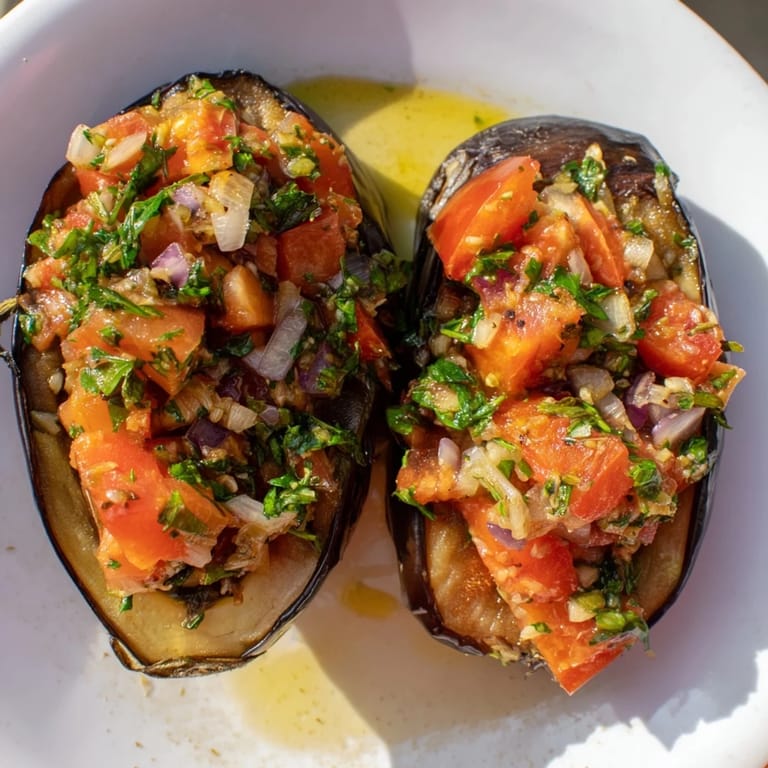
Save There's something generous about this dish, the way it feeds people without pretension and tastes even better shared with others. Once you've made it once, you'll find yourself making it again, not out of obligation but because it never fails to feel like something worth the small effort.
Recipe Help & Answers
- → How do you prepare the eggplants to remove bitterness?
Salt the eggplants after cutting a slit lengthwise and let them sit for 20 minutes. This draws out any bitterness before rinsing and drying.
- → Can the filling be customized?
Yes, additions like cinnamon, allspice, or a chopped green chili can be included for extra warmth or spice.
- → What is the best way to cook the stuffed eggplants?
After frying the eggplants lightly, bake them covered with foil for 35 minutes, then uncovered for 10–15 minutes until tender and bubbling.
- → How is Imam Bayildi traditionally served?
It is commonly enjoyed warm or at room temperature, often accompanied by crusty bread, rice, or yogurt.
- → Is this dish suitable for specific diets?
Yes, it suits vegetarian, vegan, and gluten-free diets while delivering rich and satisfying flavors.