 Save
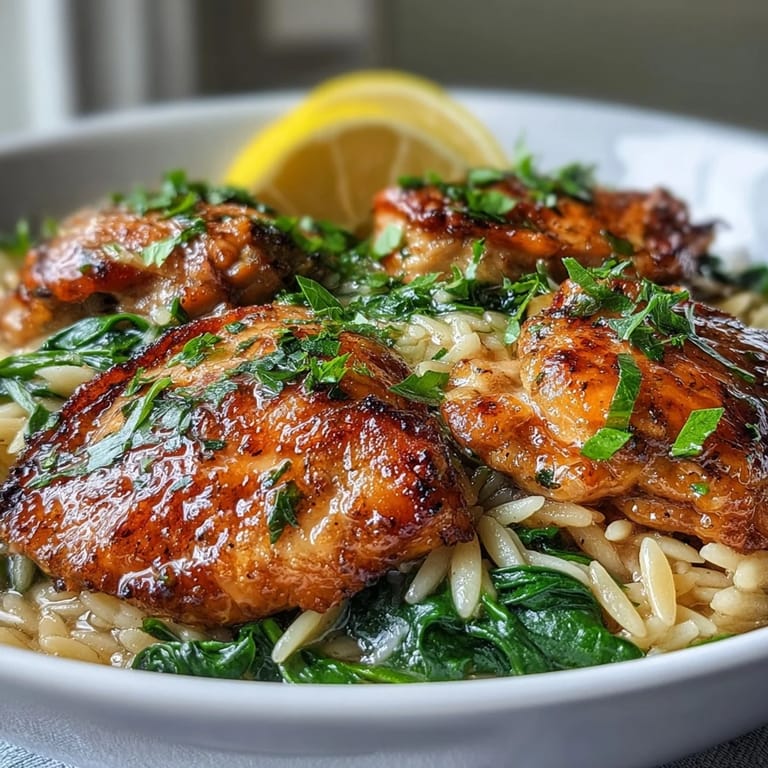
Save There's a particular magic that happens when you're cooking on a weeknight and realize you have exactly what you need for something that tastes like you've been in the kitchen all day. That's when I discovered this one-pot lemon garlic chicken and orzo—not from a cookbook, but from pure necessity and whatever was in my fridge. The first time I made it, my partner walked in halfway through, and the aroma of toasted garlic and bright lemon made them stop in their tracks. It became the dish I reach for when I want something that feels both elegant and effortless, all in one pot.
I remember serving this to friends who were skeptical about a "simple" weeknight dish, and watching their faces when they tasted how the lemon juice brightened everything while the Parmesan added a whisper of richness. Someone asked for the recipe before dessert was even mentioned, which is when I knew I'd stumbled onto something special. Now whenever I make it, I'm reminded that the best meals aren't always the most complicated ones.
Ingredients
- Chicken thighs or breasts (1.5 lbs): Thighs stay more tender and forgiving, but breasts work too—just avoid overcooking them since they'll finish cooking in the broth.
- Olive oil (2 tbsp): This is your searing base, so use something you'd actually eat on its own; it makes a real difference in the final flavor.
- Yellow onion (1 medium): The foundation of everything—take a moment to chop it fine so it melts into the sauce rather than staying chunky.
- Garlic (4 cloves): Mince it fresh; I learned the hard way that pre-minced garlic loses its punch before you even open the jar.
- Lemon zest and juice: Zest first, then juice—the zest adds an intense brightness that juice alone can't deliver, and they work together to make this dish sing.
- Orzo pasta (1.5 cups): This tiny, rice-shaped pasta is perfect because it cooks right in the broth and absorbs every bit of flavor.
- Chicken broth (3 cups): Use low-sodium so you can taste the lemon and herbs without saltiness overwhelming everything.
- Dry white wine (optional, ½ cup): If you use it, let it cook down so the alcohol mellows and leaves behind just its subtle, savory notes.
- Fresh baby spinach (4 cups): Add it at the very end so it stays bright and doesn't turn dark and bitter from overcooking.
- Parmesan cheese (⅓ cup): Freshly grated melts better than pre-shredded, which has anti-caking agents that prevent it from getting creamy.
- Fresh parsley (2 tbsp): This final sprinkle of green adds a fresh, almost peppery note that ties everything together.
Tired of Takeout? 🥡
Get 10 meals you can make faster than delivery arrives. Seriously.
One email. No spam. Unsubscribe anytime.
Instructions
- Season and sear the chicken:
- Pat your chicken dry with paper towels and season generously with salt and pepper—this step matters more than you'd think. Heat that olive oil until it shimmers, then add the chicken and resist the urge to move it around; let each piece sit for a minute or two so it develops a golden, flavorful crust.
- Build the flavor base:
- Once the chicken is golden (it doesn't need to be cooked through), set it aside and add the chopped onion to the same pot. You'll hear it sizzle and soften as you stir; after about three minutes, add the minced garlic and lemon zest, and the whole kitchen will smell incredible.
- Toast the orzo:
- Stir in the dry orzo and let it cook for a minute or two, stirring constantly so every grain gets coated in that garlicky oil. This toasting step develops a subtle nuttiness that makes the pasta taste more interesting than if you just boiled it.
- Deglaze and simmer:
- If you're using wine, pour it in now and scrape the bottom of the pot with your wooden spoon, loosening all those browned bits that are packed with flavor. Let it cook down for about a minute, then add the broth and lemon juice and bring everything to a gentle boil.
- Cook low and gentle:
- Return the chicken to the pot along with any juices that collected on the plate, then lower the heat, cover, and let it simmer quietly for about ten minutes. Stir occasionally so nothing sticks to the bottom, and your kitchen will smell like a Mediterranean restaurant.
- Finish with greens and cheese:
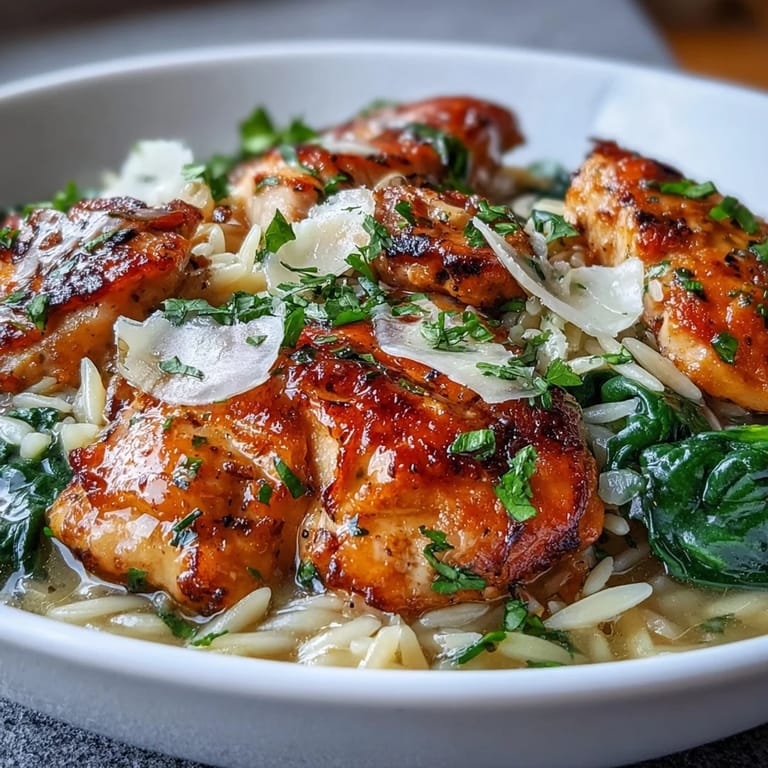
- Uncover the pot and stir in the fresh spinach, watching it wilt into the warm orzo in just a couple of minutes. Remove from heat and stir in the Parmesan and parsley, then taste and adjust the lemon juice or salt to your preference.
 Save
Save There was an evening when I made this for someone who was going through a rough time, and they told me later that the combination of comfort and brightness—the creamy pasta, the fresh herbs, the way the lemon cut through everything—somehow made them feel a little lighter. That's when I realized this dish is more than just a weeknight solution; it's one of those meals that can actually change the mood at the table.
Why This Dish Feels Both Simple and Sophisticated
The secret is restraint mixed with intention—you're not doing anything technically difficult, but every ingredient is doing something specific. The lemon isn't just an accent; it's the spine of the whole dish. The garlic and onion create depth without heaviness. The one-pot method means everything melds together, which is why it tastes like you've been tending to it all day when really you've been cooking for less than forty-five minutes.
Making It Your Own
I've experimented with variations, and the beauty of this recipe is how forgiving it is. Some nights I add a splash of heavy cream at the end for extra richness, other times I substitute kale or arugula for the spinach to change the texture. You can even use rotisserie chicken if you're short on time—just skip the searing step and stir it in right before the spinach so it warms through without drying out.
Practical Details That Matter
Use a large, deep skillet or Dutch oven so everything has room to bubble gently without splashing everywhere. If your pot is too small, the pasta won't cook evenly and you'll end up with some pieces done and others still crunchy. The orzo will absorb liquid as it cooks, so stir occasionally to prevent sticking, and if it looks like it's drying out before it's tender, add a splash more broth—better to have it slightly saucier than to end up with a gummy mess.
- Keep a lemon wedge nearby while you cook and taste as you go, adjusting the seasoning in real time.
- Freshly grated Parmesan melts more smoothly than pre-shredded, which is worth the thirty seconds of grating.
- Serve immediately while the spinach is still vibrant and the pasta is at that perfect al dente texture.
 Save
Save This is the kind of dish that becomes a reliable friend in your kitchen—the one you turn to when you want something that tastes like care without requiring hours of work. It's proof that good cooking doesn't need to be complicated, just intentional.
Recipe Help & Answers
- → Can I use chicken breasts instead of thighs?
Yes, boneless skinless chicken breasts work well and can be cut into bite-sized pieces for even cooking.
- → Is it necessary to add white wine?
White wine is optional; you can substitute it with additional chicken broth without compromising flavor.
- → How do I know when the orzo is perfectly cooked?
Simmer the orzo until it is al dente—tender but still slightly firm to the bite, usually after 10 minutes of simmering.
- → Can I substitute spinach with other greens?
Yes, kale or arugula make great alternatives and can be added at the same stage as spinach.
- → What can I do to make the dish creamier?
Stirring in 2 tablespoons of heavy cream right before serving adds extra creaminess to the dish.