 Save
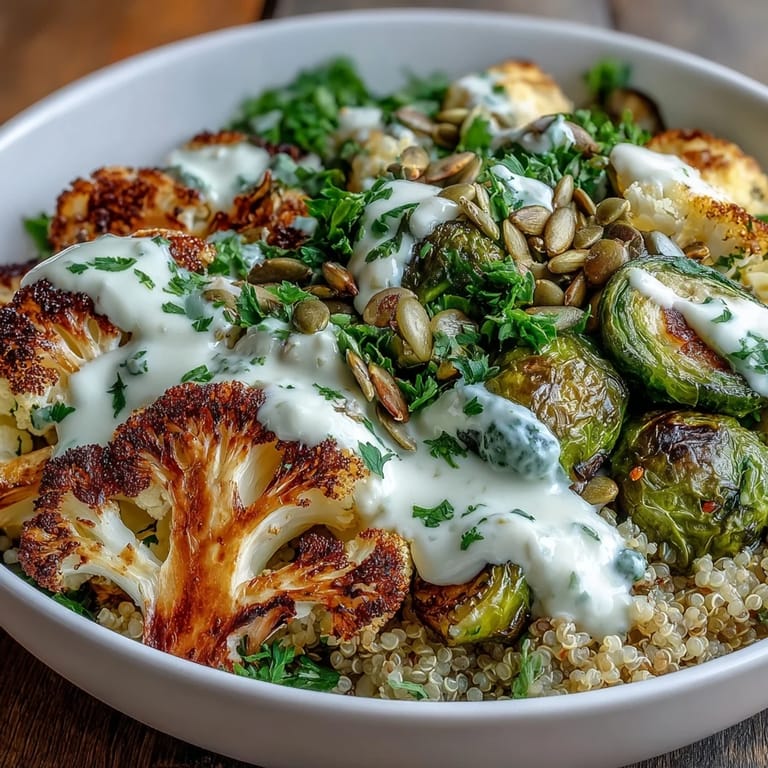
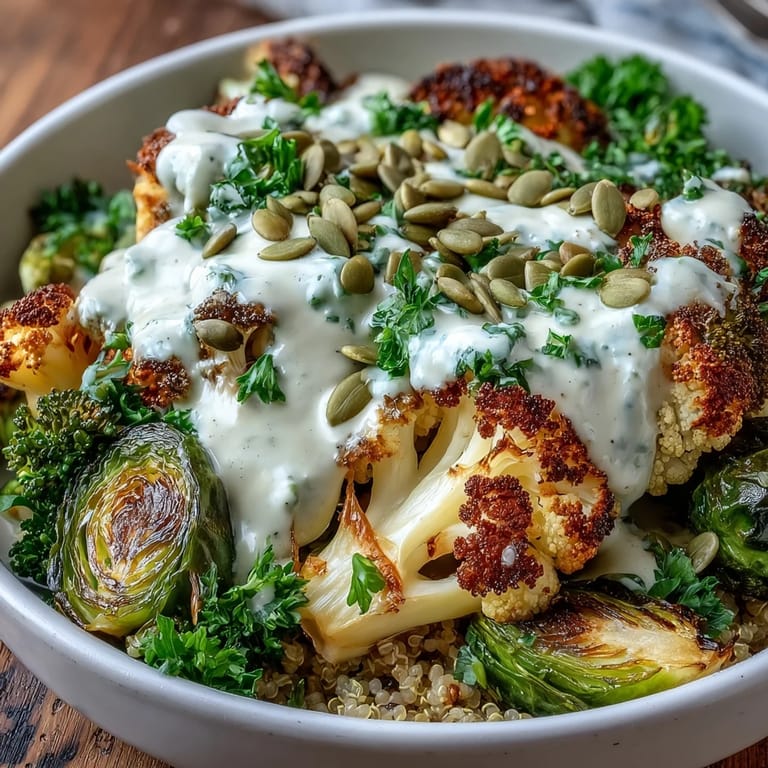
Save There's something about the smell of Brussels sprouts turning golden in a hot oven that makes you feel like you're actually doing something good for yourself. My kitchen was filled with that nutty, caramelized aroma the first time I threw together this roasted brassica bowl, and I realized I'd been overlooking these humble vegetables for years. What started as a way to use up whatever was in my crisper drawer became my go-to answer for "What's for dinner?" because it's simple enough for a Tuesday night but impressive enough to serve when friends pop by. The tahini-lemon dressing is what sealed the deal—it transforms everything into something that tastes like you spent way more time than you actually did.
I made this for my sister when she mentioned she was trying to eat more vegetables, and watching her go back for seconds was oddly satisfying. She texted me the recipe request the next day, which felt like the highest compliment—proof that this wasn't just health food dressed up as something worth eating. Since then, it's become our reliable solution for those moments when we want something that feels special but doesn't require a grocery store trip for obscure ingredients.
Ingredients
- Broccoli and cauliflower florets: Cut them roughly the same size so they roast evenly; smaller pieces get crispier edges while larger ones stay tender inside, which is exactly what you want.
- Brussels sprouts: Halve them and try to keep the cut side down when you spread them on the pan—that's where the magic caramelization happens.
- Olive oil: Don't skimp here; it's what transforms these vegetables from merely cooked to actually delicious.
- Sea salt and black pepper: Taste as you go because seasoning the raw vegetables means every bite gets seasoned, not just the outside.
- Cooked grains (quinoa, brown rice, or farro): Brown rice is earthier, quinoa is lighter, farro is chewier—pick what matches your mood.
- Tahini: The nutty backbone of your dressing; make sure it's well-stirred before measuring because the oil separates.
- Fresh lemon juice: Bottled will work in a pinch, but fresh makes a noticeable difference in brightness.
- Maple syrup or honey: Just enough to balance the lemon's acidity without making it sweet.
- Garlic: Grate it finely so it distributes evenly instead of showing up in one big bite.
- Pumpkin seeds and fresh parsley: These aren't just pretty—they add texture and a fresh finish that grounds everything.
Tired of Takeout? 🥡
Get 10 meals you can make faster than delivery arrives. Seriously.
One email. No spam. Unsubscribe anytime.
Instructions
- Get your oven ready and prep your vegetables:
- Preheat to 220°C (425°F) and line a baking sheet with parchment paper so cleanup is effortless. While it's heating, cut your broccoli and cauliflower into florets about the size of a golf ball—this matters because they'll cook more evenly.
- Coat everything in oil and seasoning:
- In a large bowl, toss all your vegetables with olive oil, salt, and pepper until they're glossy and every piece has a light coating. This is where the flavor starts, so don't rush it.
- Spread them out and let the oven do its job:
- Arrange the vegetables in a single layer on your baking sheet; crowding them means they'll steam instead of roast, so if your pan feels full, use two. Roast for 25-30 minutes, stirring halfway through, until the edges are golden and crispy.
- Handle the grains while vegetables roast:
- Follow the package directions for your chosen grain and keep it warm; this is the perfect time to get that part sorted so everything's ready when the vegetables come out.
- Make your dressing:
- Whisk tahini, lemon juice, maple syrup, grated garlic, and a pinch of salt in a small bowl, then gradually add water a tablespoon at a time until it's the consistency of thick cream. You want it pourable but still rich.
- Build your bowls:
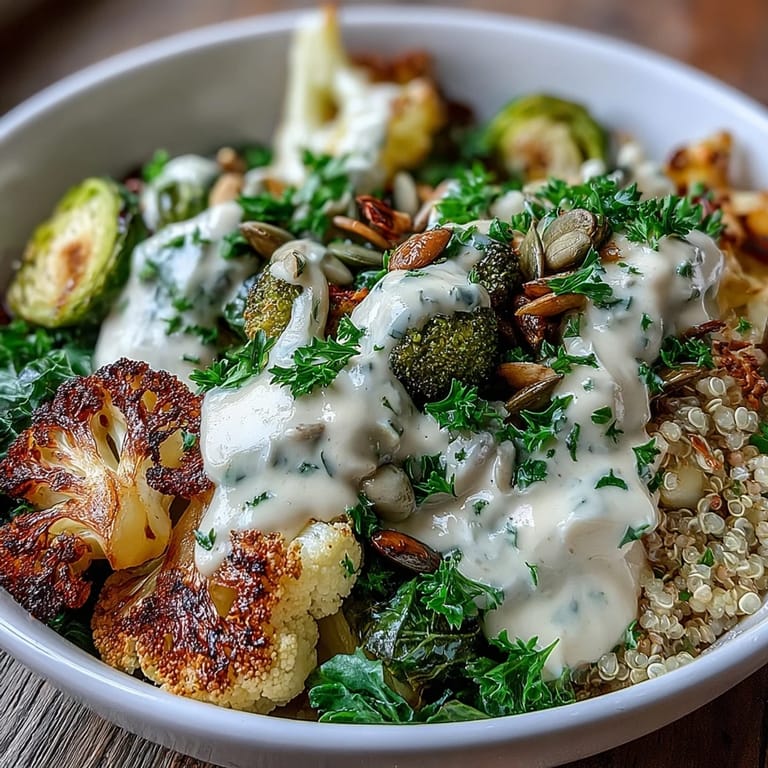
- Divide warm grains among four bowls, pile the roasted vegetables on top, and drizzle generously with tahini dressing. The warmth of the vegetables will make the dressing even more silky.
- Finish with flair:
- Scatter pumpkin seeds and fresh parsley over the top, add a pinch of chili flakes if you like heat, and serve immediately while everything's still warm.
 Save
Save My friend brought her kids over and was amazed that they actually ate the Brussels sprouts without complaining, asking for more of the "tahini stuff." That's when it hit me that good food doesn't have to be complicated or trendy—it just has to taste genuinely good and make people feel taken care of.
Why Roasting Changes Everything
There's a fundamental difference between steamed or boiled brassicas and roasted ones, and it comes down to heat. When vegetables hit that hot sheet pan, their natural sugars caramelize and their edges crisp up, creating this contrast of textures that actually makes you want to eat them. I used to think I didn't like Brussels sprouts until I roasted them, and now I'm convinced that boiling them is basically a crime against food. The same goes for broccoli and cauliflower—roasting brings out a nutty sweetness that raw or steamed versions can't touch.
The Dressing Is the Real Star
Tahini dressing feels fancy, but it's honestly just three base ingredients (tahini, lemon, something sweet) with water to thin it out. The beauty is that it's naturally vegan, it comes together in two minutes, and it makes absolutely everything taste better. I've poured this over roasted root vegetables, grains on their own, even simple greens, and it never lets me down. Once you nail the ratio, you'll find yourself making it for things beyond this bowl—it's one of those kitchen staples that pays dividends.
Building Your Perfect Bowl
The real joy of a bowl meal is that there's no wrong way to build it; these are just guidelines, not rules. You can swap the grain for whatever you have on hand, add roasted chickpeas or crispy tofu for more protein, or layer in raw greens underneath the warm vegetables. The formula is simple: a base (grains), something substantial (roasted vegetables), and a silky dressing to tie it together. Here's what I keep in mind when I'm assembling one.
- Start with your grain as the foundation, then pile roasted vegetables on top while they're still warm so they warm up the grain slightly.
- Drizzle the dressing over everything and then add your crunchy toppings so they stay textured instead of getting soggy.
- Let the bowl sit for a minute so the flavors have a chance to mingle before you dig in.
 Save
Save This recipe has genuinely become something I reach for when I want to feel good without overthinking it, and that's the kind of cooking that sticks around. Make it once and it'll probably become a regular in your rotation too.
Recipe Help & Answers
- → What vegetables work best in this bowl?
Broccoli, cauliflower, and Brussels sprouts are ideal because they roast beautifully, developing caramelized edges while maintaining texture. You can also add roasted sweet potatoes, carrots, or kale for variety.
- → Can I make this ahead of time?
Yes. Roast the vegetables and cook the grains up to 3 days in advance. Store them separately in airtight containers in the refrigerator. The tahini dressing keeps well for up to a week when refrigerated.
- → What grains pair well with roasted brassicas?
Quinoa, brown rice, and farro are excellent choices. For quicker options, try couscous or millet. Bulgur also works wonderfully and adds a slightly nutty flavor that complements the tahini dressing.
- → How do I get the tahini dressing smooth?
Whisk the tahini, lemon juice, and sweetener first until thickened, then gradually add water one tablespoon at a time. The dressing may seize initially but will emulsify into a creamy, pourable consistency.
- → What protein additions work well?
Roasted chickpeas add crunch and plant-based protein. Crumbled feta or goat cheese offers creamy contrast. Shredded chicken, hard-boiled eggs, or baked tofu also make excellent additions for a more substantial meal.
- → Can I add different spices?
Absolutely. Sumac adds tangy brightness, while smoked paprika brings subtle warmth. Cumin, coriander, or za'atar complement the tahini beautifully. Sprinkle spices over the vegetables before roasting for best flavor infusion.