 Save
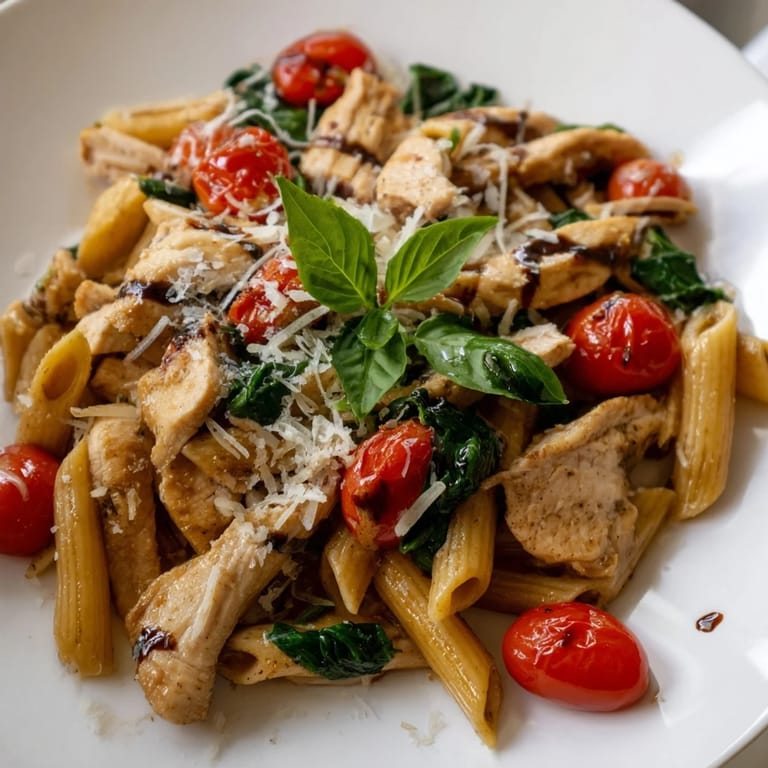
Save There was this weeknight when I had a handful of ingredients and zero plan, just a craving for something that tasted less like tired routine and more like actual dinner. I threw chicken into a hot pan, splashed in some balsamic vinegar I'd been hoarding, and watched it turn glossy and dark. The kitchen smelled like a tiny Italian trattoria, and I tossed it all with pasta still dripping from the colander. That meal taught me that elegance doesn't need a occasion, just good timing and a willingness to let a sauce reduce.
I made this for my sister after she got home from a long shift, and she ate it standing at the counter, fork in one hand, glass of wine in the other. She didn't say much, just kept twirling more pasta onto her fork and nodding. When she finally looked up, she asked if I'd written the recipe down, which is the highest compliment in our family. That's when I knew this one was a keeper.
Ingredients
- Boneless, skinless chicken breasts: Slicing them thin means they cook fast and soak up the glaze without drying out, and nobody has to saw through a thick piece of meat.
- Penne or spaghetti: Penne traps the sauce in its tubes, spaghetti twirls it up gracefully, either way you win.
- Garlic: Minced fine so it melts into the oil and perfumes everything without burning, which happens faster than you think.
- Cherry tomatoes: They burst into sweet little pockets of juice when you cook them down, adding brightness to the rich balsamic.
- Baby spinach: Wilts in seconds and sneaks in some green without any fuss or bitterness.
- Olive oil: Used in stages to build flavor, not dumped all at once, because layering matters.
- Balsamic vinegar: The backbone of the glaze, tangy and a little sweet, it caramelizes as it reduces and coats everything like liquid silk.
- Honey: Balances the acidity and helps the glaze cling to the chicken instead of pooling in the pan.
- Dijon mustard: Just a teaspoon adds sharpness and depth without announcing itself.
- Dried Italian herbs: A shortcut that still delivers, because not every night calls for chopping fresh oregano.
- Parmesan cheese: Grated fresh if you can, it melts slightly into the hot pasta and adds that nutty, salty finish.
- Fresh basil: Optional but worth tearing over the top at the last second for a pop of color and fragrance.
Tired of Takeout? 🥡
Get 10 meals you can make faster than delivery arrives. Seriously.
One email. No spam. Unsubscribe anytime.
Instructions
- Boil the Pasta:
- Cook your pasta in well salted water until it still has a slight bite, then scoop out half a cup of that starchy water before draining. That cloudy liquid is your secret weapon for a sauce that actually clings.
- Sear the Chicken:
- Heat a tablespoon of olive oil until it shimmers, then add the chicken strips in a single layer, seasoning them right in the pan. Let them sit without moving for a minute so they get golden, then flip and cook through before setting aside.
- Sauté the Aromatics:
- Add another tablespoon of oil to the same skillet, toss in the garlic, and stir for just thirty seconds until it smells toasty. Throw in the cherry tomatoes and let them soften and blister, releasing their juice into the pan.
- Mix the Glaze:
- In a small bowl, whisk together balsamic vinegar, honey, Dijon mustard, and the last tablespoon of olive oil until smooth. This little emulsion is what turns the dish from nice to memorable.
- Glaze the Chicken:
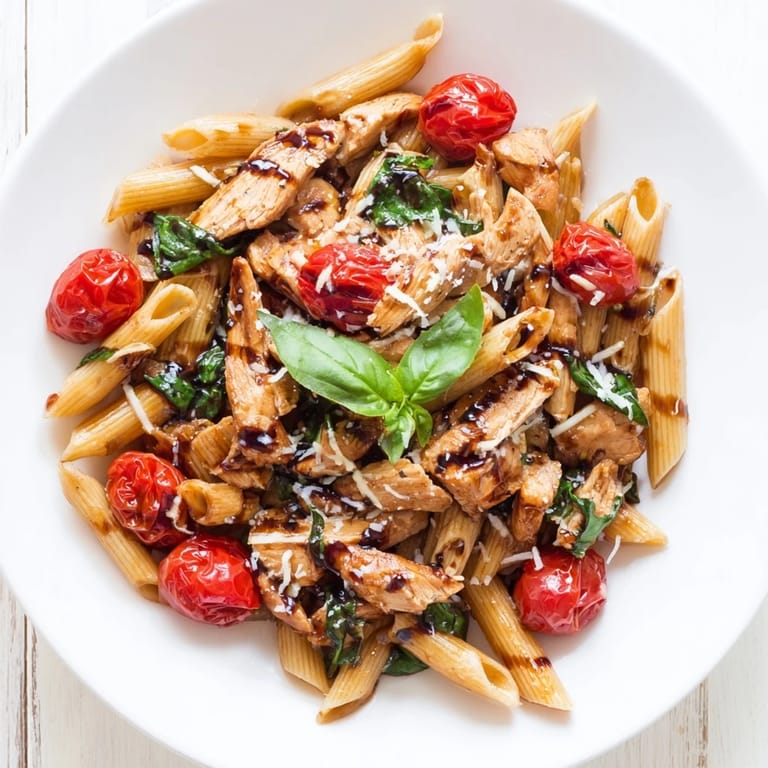
- Return the chicken to the skillet, pour the balsamic mixture over everything, and let it bubble and thicken for a few minutes. The sauce should coat the back of a spoon and look glossy, almost syrupy.
- Toss it All Together:
- Add the drained pasta and spinach to the skillet, tossing everything with tongs until the spinach wilts and the pasta is slicked with glaze. Splash in some reserved pasta water if it looks dry, a little at a time, until the sauce hugs each piece.
- Serve Hot:
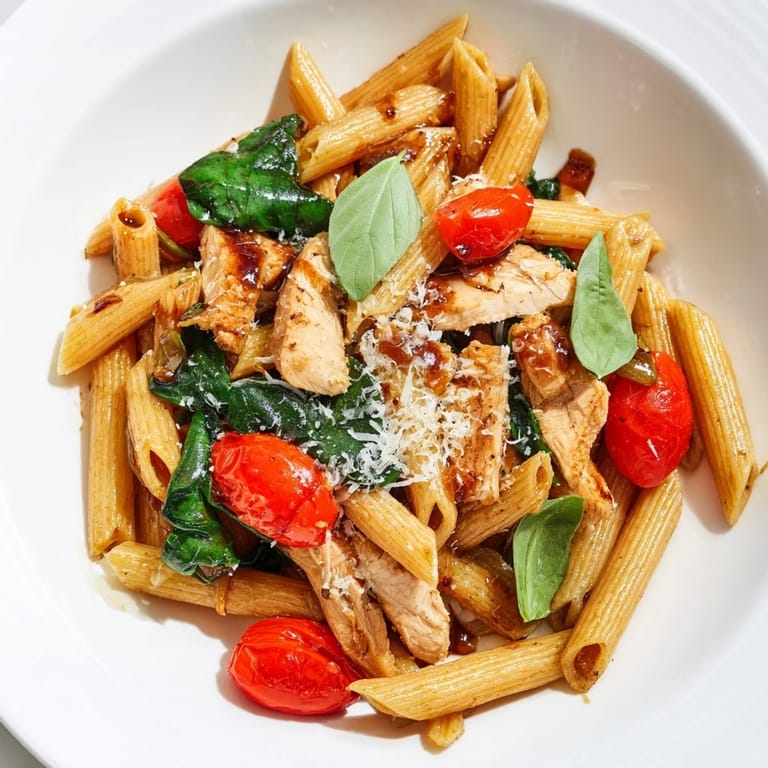
- Pull the skillet off the heat, divide into bowls, and shower with Parmesan and torn basil. Eat it while it's still steaming and the cheese is just starting to melt.
 Save
Save One evening I served this to a friend who claimed she didn't like balsamic anything, and she went quiet after the first bite, then asked what was in the sauce. When I told her, she laughed and said maybe she just hadn't met the right balsamic dish yet. We finished the whole skillet between the two of us, mopping up every last bit of glaze with crusty bread. That's when I realized food can change minds if you give it a chance.
Swapping Ingredients
If spinach isn't your thing, arugula brings a peppery bite that plays beautifully against the sweet glaze, or swap in kale if you want something heartier that holds its shape. I've also made this vegetarian by using thick slices of portobello mushrooms instead of chicken, and the meaty texture soaked up the balsamic just as well. For a gluten free version, use your favorite rice or chickpea pasta, it works without any adjustments to the rest of the recipe.
Wine Pairing
A light Pinot Noir with soft tannins complements the tangy balsamic without overpowering the dish, or reach for a crisp Sauvignon Blanc if you prefer white, its acidity cuts through the richness and keeps each bite feeling fresh. I've served this with both and never had a complaint, so go with what's already open or what sounds good that night.
Storing and Reheating
Leftovers keep in the fridge for up to three days in an airtight container, and they reheat surprisingly well in a skillet over low heat with a splash of water or broth to loosen the sauce. The microwave works too, but the pasta can get a little gummy, so I prefer the stovetop if I have an extra minute. The glaze thickens as it sits, so don't be afraid to add a bit more liquid when you warm it up.
- Store in a sealed container and keep the Parmesan separate so it doesn't get soggy.
- Reheat gently and add a drizzle of olive oil to bring back the shine.
- Leftovers taste even better the next day once the flavors have had time to marry.
 Save
Save This dish has become my answer to the question of what to make when I want something that feels special without the stress. It's proof that a handful of good ingredients and a hot pan can turn an ordinary night into something worth remembering.
Recipe Help & Answers
- → Can I use chicken thighs instead of breast?
Yes, chicken thighs work beautifully and stay juicier. Increase cooking time by 2–3 minutes to ensure they're fully cooked through.
- → What pasta works best with this glaze?
Penne or spaghetti are ideal as they hold the balsamic glaze well. Rigatoni or fusilli also work nicely. Avoid very thin pasta that may become mushy.
- → How do I make the sauce thicker or thinner?
For a thicker glaze, simmer longer without the pasta. For a thinner sauce, add more reserved pasta water gradually until you reach desired consistency.
- → Can I prepare this ahead of time?
Cook components separately and refrigerate up to two days. Reheat gently on the stovetop with a splash of water before serving to restore the silky sauce consistency.
- → What are good substitutes for spinach?
Arugula adds peppery notes, kale provides earthiness, or try fresh zucchini ribbons. Adjust cooking time if using heartier greens.
- → Is this suitable for gluten-free diets?
Absolutely. Use gluten-free pasta and verify Dijon mustard is certified gluten-free. The rest of the ingredients are naturally gluten-free.