 Save
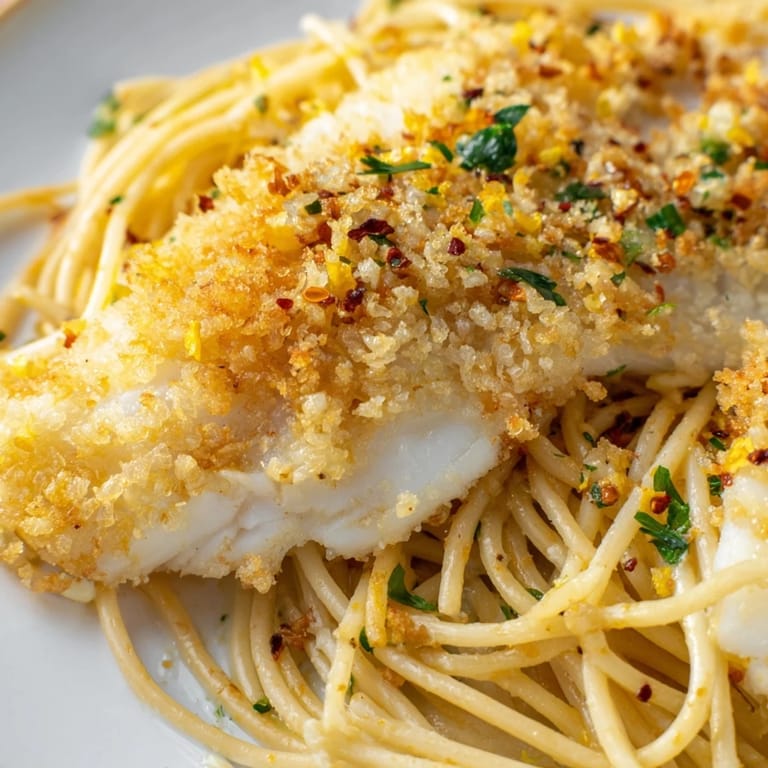
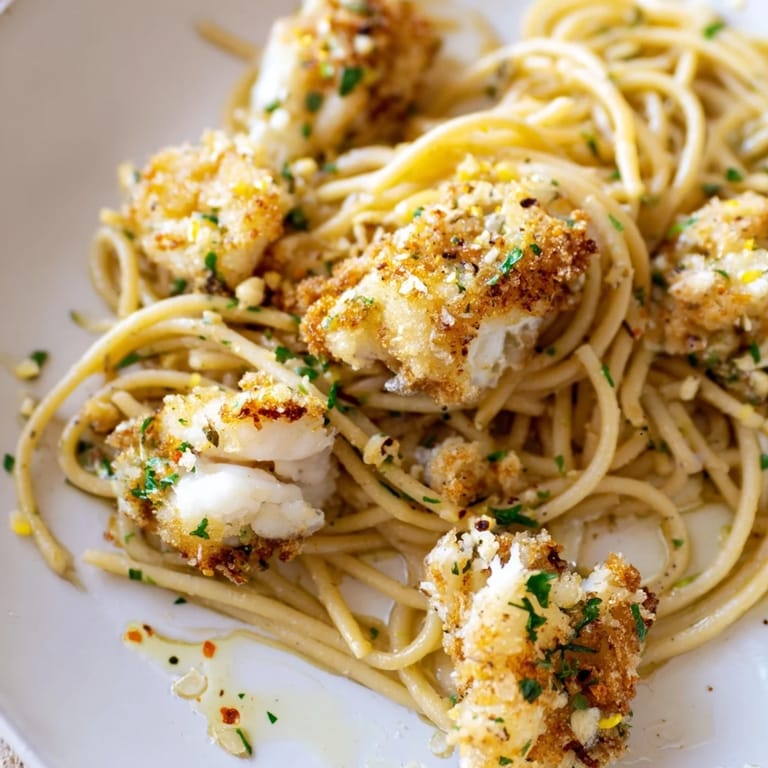
Save The kitchen was already warm by the time I started cooking this on a Tuesday evening, my friend Sarah leaning against the counter and describing a pasta dish she had in a tiny coastal restaurant in Italy. I did not have any fancy equipment, just my reliable skillet and a package of white fish from the market. The way she described the crispy fish flakes tangled with lemon-slicked pasta stuck with me for days. I finally recreated it from memory, and now it has become one of those meals I turn to when I want something that feels special but does not take all night.
Last summer my sister came over exhausted from work, and I made this while she sat at the table telling me about her day. She kept stopping mid-sentence to ask what smelled so good. When we finally sat down to eat, she actually went quiet for a full minute, which is saying something. Now whenever she visits, she gives me this look that means she is hoping for those crispy fish flakes in her pasta.
Ingredients
- Firm white fish fillets: The sturdy texture holds up beautifully when pan-fried, creating those gorgeous golden flakes that do not turn mushy when tossed with pasta
- All-purpose flour: A light dusting helps the fish develop that restaurant-quality crispy exterior
- Spaghetti or linguine: Long strands catch the flaky fish pieces and sauce better than short pasta shapes
- Unsalted butter: Creates a silky base for the garlic and herbs while mellowing the lemon acidity
- Fresh lemon: Both zest and juice are essential for that bright Mediterranean flavor profile
- Fresh parsley and chives: The combination brings color and a mild onion-garden freshness
- Chili flakes: Just enough warmth to make the dish interesting without overpowering the delicate fish
Tired of Takeout? 🥡
Get 10 meals you can make faster than delivery arrives. Seriously.
One email. No spam. Unsubscribe anytime.
Instructions
- Get your pasta going first:
- Boil water in a large pot and cook the spaghetti or linguine until it has that pleasant resistance when you bite into it, then scoop out about half a cup of the starchy water before draining.
- Prep the fish for the pan:
- Pat the fillets completely dry with paper towels because any moisture will prevent proper browning, then season them generously and dust with flour.
- Create that golden crust:
- Heat olive oil in your skillet until it shimmers, add the fish, and let it develop a deep golden color on each side without moving it around too much.
- Build the aromatic base:
- Reduce the heat, melt the butter into the same pan, and let the garlic soften gently until your whole kitchen smells amazing.
- Bring it all together:
- Add the drained pasta directly into the skillet with lemon juice, that reserved pasta water, and olive oil, tossing until everything glistens.
- Finish with care:
- Fold in the flaky fish pieces gently and sprinkle with herbs, taking care to keep some nice chunks visible rather than breaking everything into tiny bits.
 Save
Save This recipe became my go-to impromptu dinner because it transforms basic ingredients into something that feels like it came from a bistro. My husband actually requested it for his birthday dinner this year, and that is saying something.
Choosing the Right Fish
I have tried so many different fish varieties in this recipe, and honestly the texture matters more than the specific type. Cod gives you those beautiful thick flakes, while sea bass feels more delicate and luxurious. The main thing is avoiding fish that falls apart easily when you touch it, because you want distinct pieces scattered through your pasta, not a fish mush situation. Ask your fishmonger for something firm enough to hold its shape in a hot pan.
Getting the Pasta Just Right
That timing dance between pasta and fish used to stress me out until I learned to start the pasta water first, then do all my fish prep while it comes to a boil. The pasta water trick has become something I do automatically now, almost without thinking about it. The starch in that water acts like a natural thickener for the lemon-butter sauce. I learned this from watching an old Italian cooking show where the grandmother simply dipped her coffee mug into the boiling pasta water.
Making It Your Own
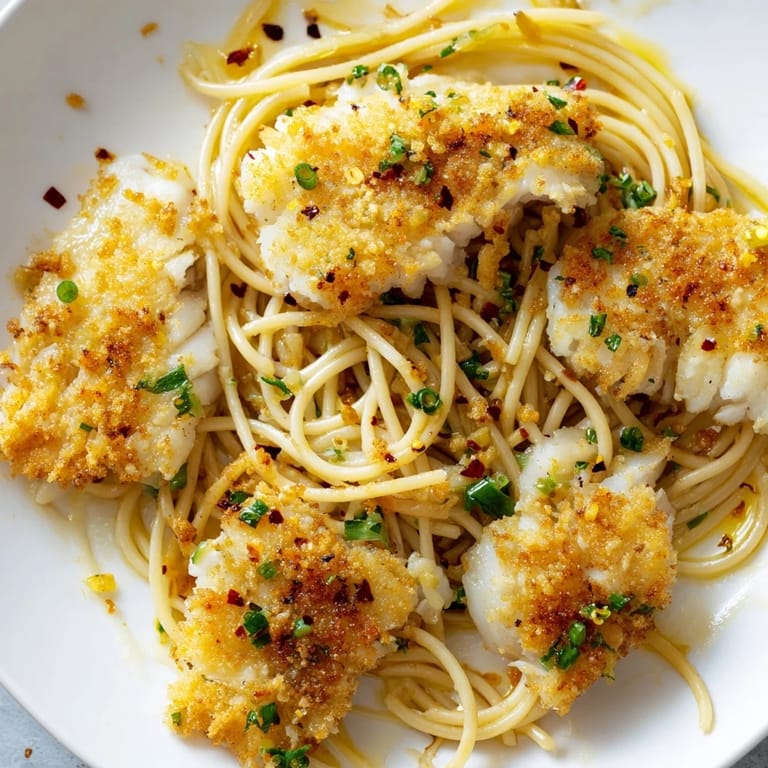
The basic formula is so forgiving that you can tweak it based on what you have or what you are craving. Sometimes I add capers for those little bursts of salty brightness. Other times I toss in a handful of arugula at the very end so it wilts slightly in the warm pasta.
- A splash of white wine in the butter phase adds depth
- Toasted pine nuts sprinkled on top bring lovely crunch
- Extra parmesan on the table never hurt anyone
 Save
Save There is something deeply satisfying about a recipe that looks impressive but comes together on a random weeknight. Serve it with a crisp white wine and good conversation, and suddenly dinner feels like an occasion.
Recipe Help & Answers
- → What type of fish works best?
Firm white fish like cod, haddock, sea bass, tilapia, or snapper hold up well when pan-fried and flaked. These varieties maintain texture while cooking and create substantial flakes that don't break apart when tossed with pasta.
- → How do I prevent the fish from becoming soggy?
Pat the fish thoroughly dry before seasoning, and shake off excess flour after dredging. Cook over medium-high heat to achieve golden crispiness, and let the fillets rest briefly before flaking. Don't overcrowd the pan, which causes steaming instead of frying.
- → Can I make this gluten-free?
Yes. Substitute regular all-purpose flour with gluten-free flour blend for coating the fish, and use gluten-free pasta like brown rice spaghetti or chickpea linguine. The cooking method remains the same, though pasta timing may vary slightly.
- → What pasta shape works best?
Long pasta like spaghetti or linguine coats evenly with the lemon-butter sauce and catches flaky fish pieces. However, fusilli, penne, or farfalle also work well if you prefer shorter shapes that hold sauce in their ridges and curves.
- → How can I add more depth to the flavor?
Add capers for briny brightness, or toss in a handful of fresh arugula at the end for peppery notes. A splash of white wine in the pan sauce adds complexity, or finish with grated Parmesan for umami richness if not dairy-free.
- → Can I prepare this ahead?
Cook pasta and fish separately, then store in the refrigerator for up to 1 day. Reheat gently with a splash of pasta water and olive oil to revive the sauce. For best results, cook fresh, as the crispy texture of the fish diminishes with storage.