 Save
Save I discovered this version of mac and cheese by accident on a Tuesday morning when I was determined to meal-prep something that wouldn't leave me hungry two hours later. My usual creamy pasta recipes felt indulgent but somehow still left me wanting more substance, so I started experimenting with cottage cheese as a base—something my grandmother used to hide in her lasagna. The first batch was grainy and thin, but I learned that blending it smooth transforms it into something almost magical, velvety and rich without any of that familiar chalky texture. Now it's become my go-to comfort food that actually keeps me satisfied.
I remember making this for my friend Sarah who had just started training for a half-marathon and was stressed about eating enough protein without cooking elaborate meals. She was skeptical about cottage cheese until she tasted it, and then she went quiet mid-fork, which is always the best compliment. That's when I knew this recipe had crossed from my kitchen experiments into something worth sharing.
Ingredients
- High-protein pasta (300g): Chickpea, lentil, or whole wheat varieties give you real staying power—they're not as mushy as regular pasta and the texture holds up beautifully under a creamy sauce.
- Low-fat cottage cheese (300g): This is the star ingredient, so don't skip it or substitute—it blends into a silk-like sauce when you stop being gentle with it in the blender.
- Low-fat milk (120ml): Use whatever milk you have on hand, dairy or plant-based, as long as it's unsweetened so the cheese flavor shines through.
- Shredded sharp cheddar (100g): The word 'sharp' matters here because mild cheddar will disappear into the background, and you want this sauce to taste like cheese, not cream.
- Parmesan cheese (40g): Freshly grated makes all the difference—the pre-grated stuff has anti-caking powder that won't blend as smoothly.
- Nutritional yeast (1 tbsp, optional): I skip this most days, but on nights when I want extra umami depth, those flakes add a subtle savory punch.
- Cornstarch (1 tbsp): This is what gives you that velvety thickening without any graininess, so measure it carefully.
- Dijon mustard (1 tsp): A tiny amount amplifies the cheese flavor without making the sauce taste like mustard—trust this step.
- Garlic powder, onion powder, salt, and black pepper: These are your flavor builders, so taste as you go and adjust to your preference.
Tired of Takeout? 🥡
Get 10 meals you can make faster than delivery arrives. Seriously.
One email. No spam. Unsubscribe anytime.
Instructions
- Get your pasta going:
- Fill a large pot with salted water and bring it to a rolling boil—you want enough salt that it tastes like the sea. Drop in your pasta and cook it to al dente, which means it should have a tiny bit of resistance when you bite it, because it'll soften slightly more when the sauce heats it through. Save about half a cup of that starchy cooking water before you drain it; it's liquid gold for loosening the sauce later.
- Blend the magic:
- While your pasta cooks, dump the cottage cheese, milk, both cheeses, nutritional yeast if you're using it, cornstarch, mustard, and all your seasonings into a blender. Blend it hard and long until it transforms into something completely smooth—this usually takes about a minute—because any cottage cheese graininess will haunt the finished dish.
- Heat the sauce gently:
- Pour your blended mixture into a saucepan and set the heat to medium-low, then whisk constantly while it warms through. You're looking for the moment when it starts to bubble around the edges and visibly thickens, which takes about three to five minutes—don't walk away or you'll overheat it and end up with something broken and separated.
- Bring it all together:
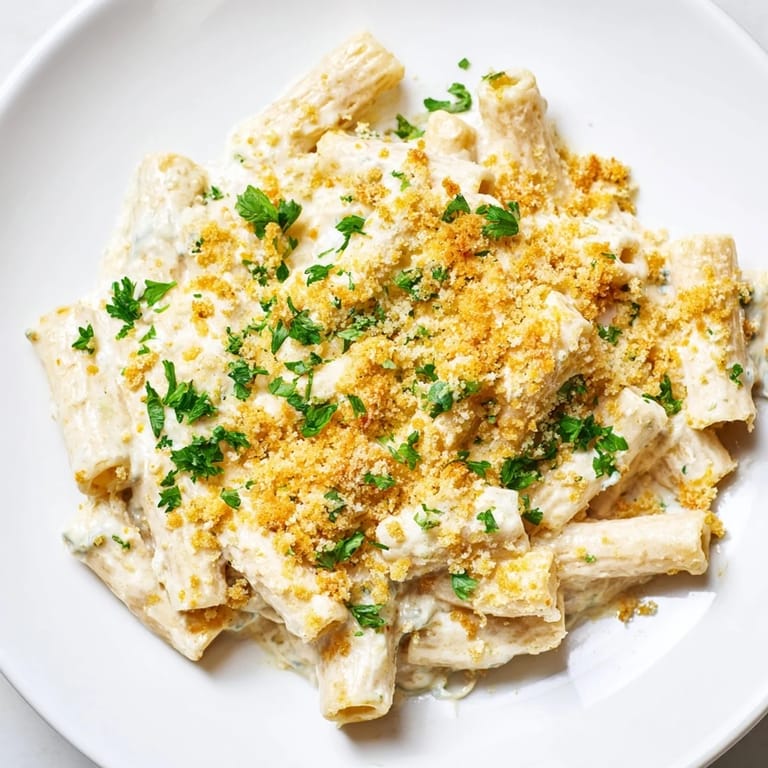
- Add your drained pasta to the sauce and toss everything until every strand is coated in that creamy goodness. Let it heat through for another minute or two, and if the sauce seems too thick, splash in a bit of that reserved pasta water until it reaches that comfortable, coat-the-spoon consistency you're after.
- Optional golden crust:
- If you want that delicious toasted texture on top, transfer everything to a baking dish, sprinkle breadcrumbs over the surface, and slide it under the broiler for two to three minutes until it's golden and crispy. Watch it carefully because broilers can go from perfect to burned in seconds.
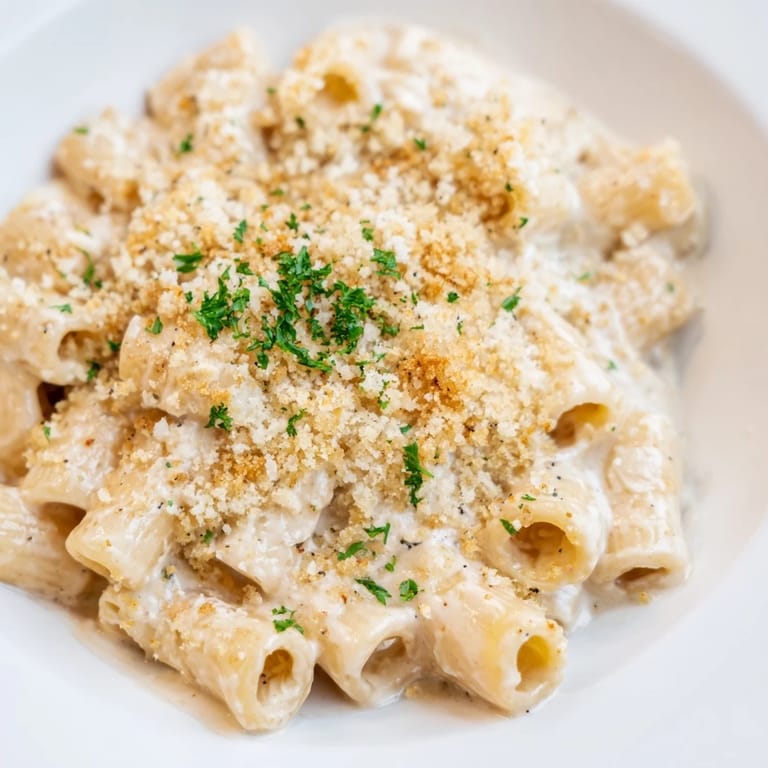 Save
Save This dish reminds me of the shift I made a few years ago when I realized I could eat foods I actually loved while still feeling energized. There's something beautiful about a bowl of creamy pasta that doesn't make you reach for dessert an hour later because you're still hungry.
Why This Works Better Than Traditional Mac and Cheese
Most creamy mac and cheese relies on butter, flour, and heavy cream to build its sauce—which is delicious but leaves you in a carb-and-fat coma. Cottage cheese brings you the same richness and creaminess through protein instead, which sounds weird until you try it and realize you're actually eating something that fills you up properly. The blending transforms an ingredient that most people think of as separate curds into something silky and sophisticated, and your body processes all that extra protein more slowly, so your energy stays level instead of spiking and crashing.
Flavor Variations Worth Trying
Once you've made this version a few times and have the method in your hands, the variations start suggesting themselves. I've swapped the sharp cheddar for Gruyère on nights when I want something earthier, or used Monterey Jack when I'm craving a milder, buttery flavor that lets the other ingredients shine through. The Dijon mustard is subtle enough that you can add a tiny pinch of cayenne if you want heat, or skip it entirely if you're making this for someone who prefers their comfort food mellow.
Ways to Make It Even More of a Complete Meal
Sometimes I'll stir in shredded roasted chicken right before serving, or toss in steamed broccoli florets so there's actual vegetables happening on the plate. On lazy nights, I've thrown in frozen peas straight from the bag and let them heat through in the sauce, which somehow feels healthier even though it's basically the same indulgence. You can also dress it up with a fried egg on top, fresh breadcrumbs that you toast in butter until they're golden, or fresh herbs like dill or thyme stirred in at the end.
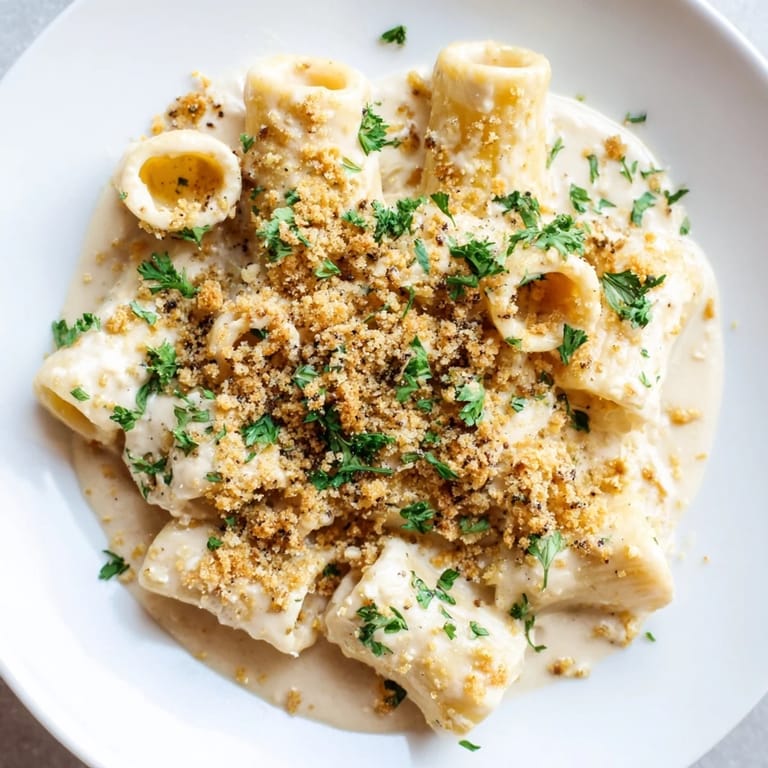 Save
Save This has become my answer to the question 'what do you eat when you want to feel good,' and that's really what matters. Every bowl feels like you're taking care of yourself while still getting the deep, uncomplicated pleasure of real comfort food.
Recipe Help & Answers
- → What types of pasta work best for this dish?
High-protein pastas like chickpea, lentil, or whole wheat work well to boost nutrition and provide a firm texture.
- → Can I use plant-based milk in the sauce?
Yes, unsweetened plant-based milk can be used to blend the sauce smoothly while keeping it creamy.
- → How do I achieve the sauce's smooth consistency?
Blending cottage cheese, cheese, milk, and seasonings until silky ensures a velvety sauce that coats the pasta perfectly.
- → Is it possible to add a crunchy topping?
Yes, sprinkling whole wheat breadcrumbs on top and broiling briefly adds a golden, crunchy finish.
- → What are some optional ingredient swaps?
Try swapping cheddar for Gruyère or Monterey Jack cheeses, or add cayenne for a subtle heat boost.