 Save
Save There's something about the first really cold morning of winter that makes you crave something warm but not heavy, and that's exactly when this soup saved me. I'd been feeling run-down, my energy scattered, and I found myself standing in the kitchen at dawn with nothing but good intentions and whatever vegetables hadn't frozen in the back of the fridge. The ginger caught my eye first, then the miso, and within thirty minutes I had a bowl of something so restorative it felt like a small act of self-care.
I made this for my sister when she was recovering from a cold, and watching her take that first spoonful, close her eyes, and just breathe in the steam—it reminded me why simple food matters so much. She asked for seconds, then thirds, and by the end of the week she was texting me asking if she could add noodles to it for lunch.
Ingredients
- Low-sodium vegetable broth (6 cups): This is your base, so don't skip quality here—a thin or oversalted broth will undermine everything else you're doing.
- Fresh ginger (2-inch piece): Peel it with the edge of a spoon instead of a knife and you'll waste less; the skin comes right off and the warmth it brings is non-negotiable.
- Garlic (2 cloves): Thinly sliced rather than minced so you get little pockets of flavor throughout the bowl.
- White or yellow miso paste (2 tablespoons): This is where the probiotic magic lives—never boil it after adding, or you'll kill what makes it special.
- Shiitake mushrooms (1 cup): They'll release a subtle earthiness that transforms the entire soup, so don't substitute with something watery.
- Baby spinach or bok choy (1 cup): Either works beautifully, though bok choy holds its structure better if you're planning leftovers.
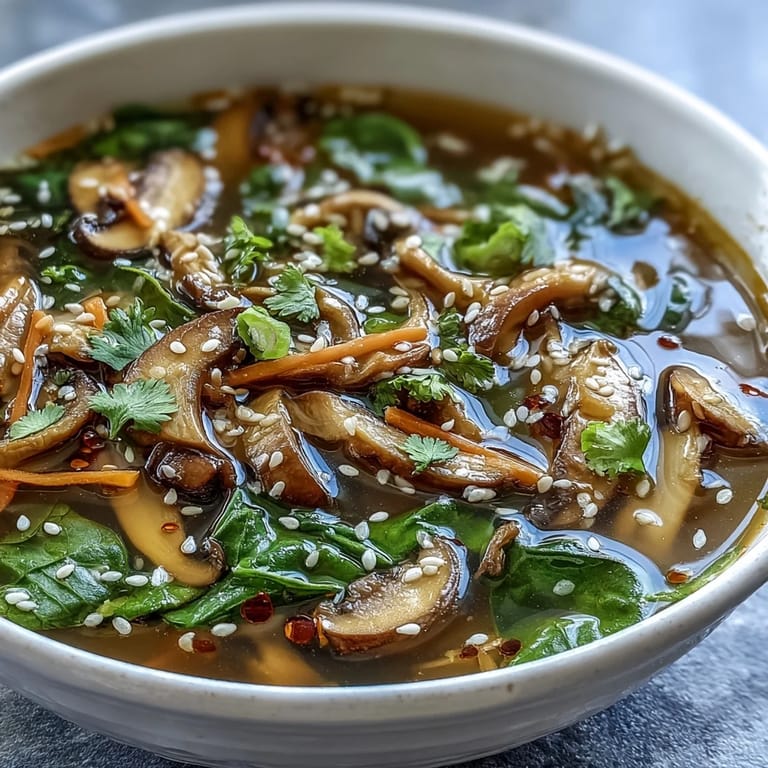
- Carrot (1 medium): Julienned thin so it cooks in minutes and adds a touch of natural sweetness without overwhelming the broth.
- Green onions (2): Sliced fresh at the end for brightness and a gentle bite that cuts through the richness.
- Toasted sesame seeds (1 tablespoon): Toast them yourself if you can—the difference in flavor is honestly worth the two-minute detour.
- Fresh cilantro and chili oil (optional): These are my go-to garnishes, but they're accessories to a soup that's complete without them.
Tired of Takeout? 🥡
Get 10 meals you can make faster than delivery arrives. Seriously.
One email. No spam. Unsubscribe anytime.
Instructions
- Start with a gentle simmer:
- Pour your broth into a large saucepan and bring it to a gentle simmer over medium heat—you're looking for small, lazy bubbles, not a rolling boil. This sets the right pace for everything that comes next.
- Infuse with ginger and garlic:
- Add your sliced ginger and garlic to the simmering broth and let them hang out for about ten minutes. The kitchen will smell incredible, and that's how you know the aromatics are doing their job of building flavor.
- Add substance with vegetables:
- Toss in the mushrooms and carrot slices and give them five minutes to soften just slightly—you want them to have a little bite still, not completely surrendered to the heat. They'll continue cooking in the residual warmth even after you remove the pot from the stove.
- Temper the miso:
- This is the crucial step that keeps your probiotics alive. Ladle some of the hot broth into a small bowl, then whisk your miso paste into it until it's completely smooth and no lumps remain. This tempering prevents shock to the delicate cultures.
- Fold miso back in gently:
- Lower your heat to the absolute minimum and stir the miso mixture back into the pot with intention, making sure it's fully incorporated. Then turn off the heat entirely—boiling is the enemy of what makes miso special.
- Wilt the greens:
- Add your spinach or bok choy and the green onions right now while everything is still warm, and stir for just about a minute until they collapse into tenderness. The residual heat does all the work without any additional cooking.
- Taste and adjust:
- This is your moment to add more miso for deeper flavor, a splash of soy sauce for saltiness, or nothing at all if it's already exactly right. Trust what your palate is telling you.
- Serve with intention:
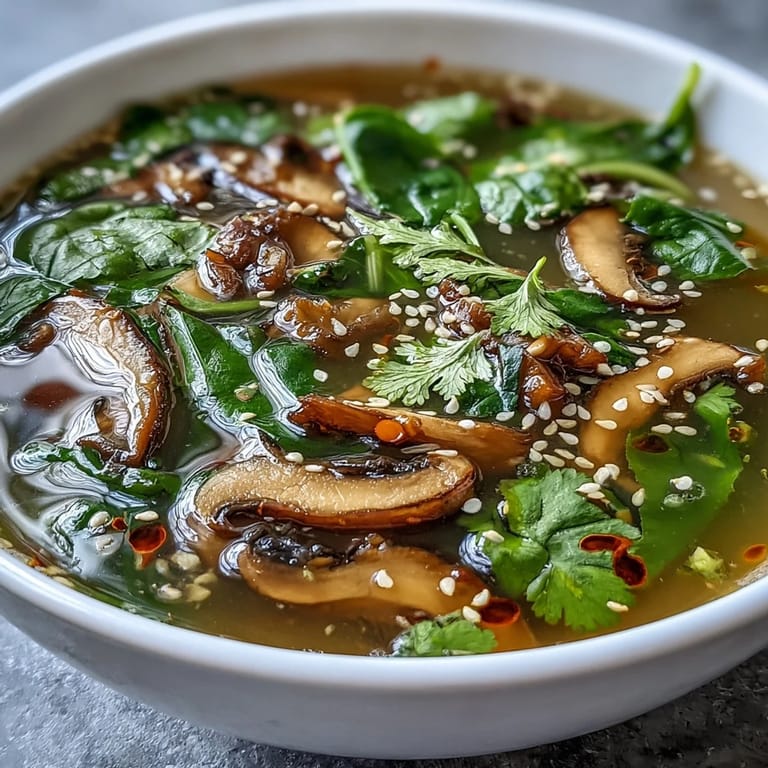
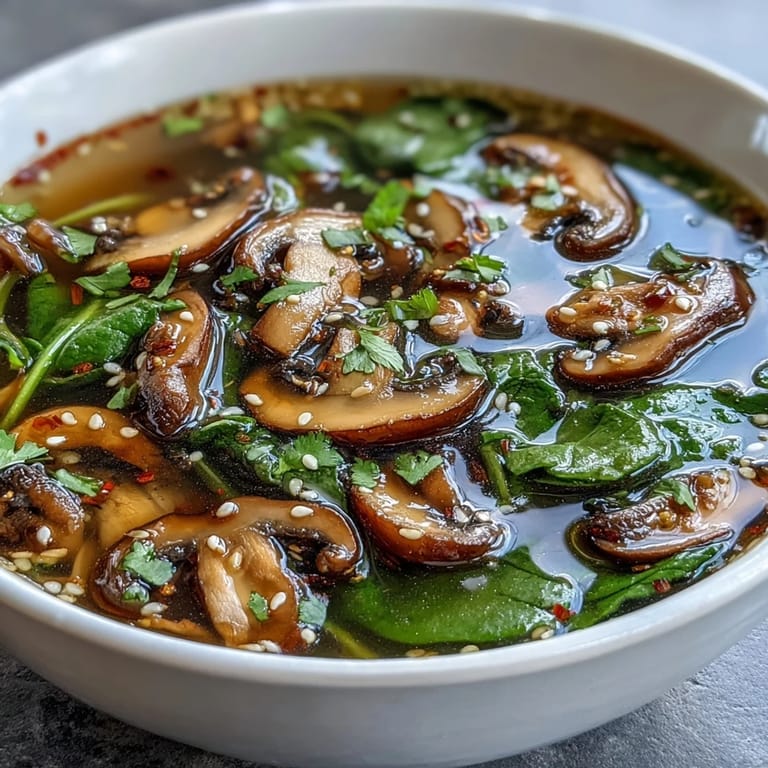
- Ladle the soup into bowls and top with sesame seeds, cilantro if you're using it, and a drizzle of chili oil for those who want a little heat. The garnishes make it feel like something you made with care, not just reheated.
 Save
Save There's a moment in winter when you realize this soup isn't just fuel—it's become part of your rhythm, something you return to when the days are shortest and you need grounding. That's when you know you've found something worth keeping.
Making It More Substantial
If you want to turn this into something closer to a full meal, silken tofu cubes are the move—they add protein without adding heaviness, and they soak up the flavors around them like tiny sponges. Soba or udon noodles work too if you're looking for something heartier that still feels light enough to actually enjoy on a cold day.
Flavor Variations Worth Exploring
Red miso brings a deeper, slightly funkier complexity that white miso doesn't have, so if you're feeling adventurous, swap it in and watch how the entire character of the soup shifts. You can also experiment with different greens—kale, mustard greens, or even napa cabbage all bring their own personality to the broth. The beauty of this soup is that it's adaptable without ever losing its essential soul.
Storage and Reheating Wisdom
Leftovers live happily in the fridge for three days, though I'd store the miso broth separately from the vegetables if you're planning to keep it longer, since they can get waterlogged if they're sitting in liquid the whole time. When you reheat, go low and slow—just enough warmth to bring it back to life, not so much that you're boiling off all that subtle ginger and garlic work.
- Never microwave miso broth if you can help it, as the heat distribution is too unpredictable and can damage the probiotics.
- If the soup tastes flat when you reheat it, a small squeeze of fresh lemon juice or a dash more miso paste can wake it back up instantly.
- Store any garnishes separately so they stay crispy and bright instead of getting soggy overnight.
 Save
Save This soup has become my winter answer to almost everything—fatigue, restlessness, the kind of gray afternoons that need warming from the inside out. It's proof that the best food doesn't need to be complicated, just thoughtful.
Recipe Help & Answers
- → Can I make this soup ahead of time?
Yes, prepare the broth and vegetables in advance, but add the miso paste just before serving. Boiling miso can destroy its beneficial probiotics and alter the delicate flavor. Store the base separately and whisk in miso when reheating.
- → What type of miso works best?
White or yellow miso offers a milder, sweeter flavor perfect for this light soup. Red miso provides a deeper, more intense taste if you prefer stronger umami. Always dissolve miso in a small amount of hot broth before adding it to the pot.
- → How can I add more protein?
Cubed silken tofu absorbs the savory broth beautifully while adding plant-based protein. You can also add edamame, cooked chickpeas, or serve alongside grilled teriyaki chicken for a more substantial meal.
- → Can I use other vegetables?
Absolutely. Kale, Swiss chard, or Napa cabbage work well in place of spinach. Try adding daikon radish, snow peas, or shredded cabbage for extra texture and nutrition. Adjust cooking times based on vegetable hardness.
- → Is this soup freezer-friendly?
Freeze the vegetable broth base before adding miso and greens. Miso's texture and probiotics suffer from freezing, so stir in fresh miso after thawing and reheating. Add delicate greens like spinach just before serving.
- → How spicy should this soup be?
The base is gently warming from ginger without being spicy. Add chili oil or red pepper flakes to taste, starting with small amounts. You can also add fresh sliced chilies or sriracha for extra heat if desired.