 Save
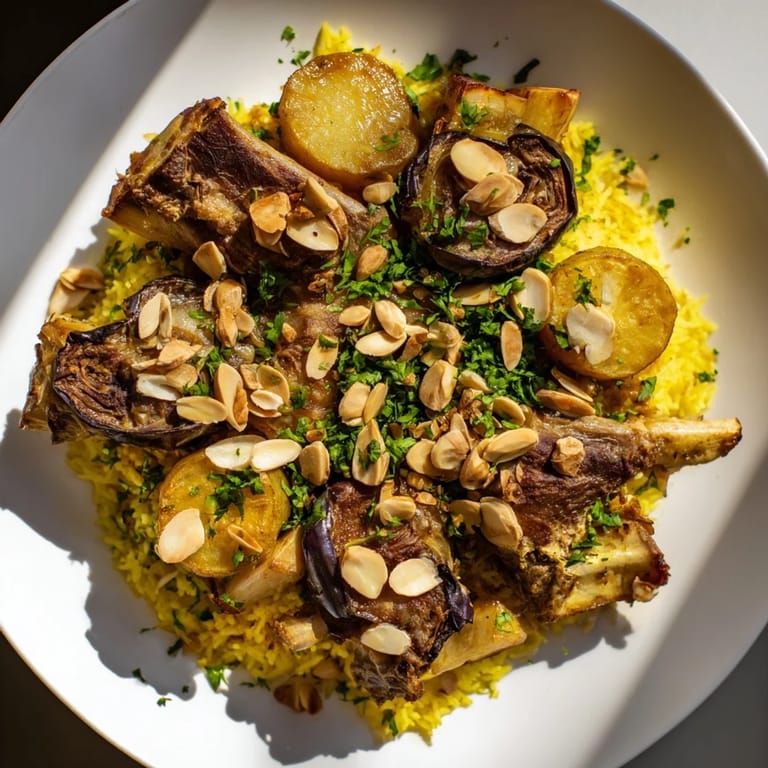
Save The first time I watched my grandmother flip a pot of maqluba onto a platter, I held my breath. She'd layered rice, meat, and vegetables with such care, and now came the moment of truth—one swift inversion that would either reveal a golden, perfectly constructed dish or a scattered mess. It landed with a soft thud, and when she lifted the pot, there it was: a stunning dome of caramelized vegetables and fluffy rice, the meat nestled inside like a secret. I understood then why this dish is called maqluba, which means "upside down"—it's not just about the flip, it's about the anticipation and the payoff.
I made this for a small dinner party on a cold evening, and I remember how the smell of cinnamon and allspice filled the kitchen long before we sat down to eat. My friend Sarah arrived early and watched the whole process unfold—the searing of the meat, the careful layering, the covered pot waiting on the stove. When I finally flipped it, she actually gasped. That reaction alone made every careful step worth it, and we spent the evening passing around plates and talking about how something so visually stunning could taste even better.
Ingredients
- Bone-in lamb shanks or chicken pieces (900 g / 2 lbs): The bone adds deep, rich flavor to the broth and keeps the meat tender as it cooks; if you use boneless thighs, watch the timing carefully since they'll cook faster.
- Ground black pepper, allspice, and cinnamon (1 tsp, 1 tsp, and 1/2 tsp): This trio is the soul of the dish—the allspice brings warmth, the cinnamon adds unexpected sweetness, and black pepper keeps everything grounded and savory.
- Long-grain basmati rice (2 cups): The rinsing and soaking step isn't just tradition; it removes excess starch so the grains stay separate and fluffy rather than clumping together.
- Eggplant and potatoes (2 medium each): These form the crispy, golden exterior once flipped; slicing them uniformly ensures they roast evenly and create that gorgeous presentation.
- Turmeric and cumin (1/2 tsp each): These warm the rice from within and tie all the layers together with a subtle, earthy note.
- Vegetable oil (3 tbsp total): You'll use some for searing the meat and some for roasting the vegetables—don't skimp, as this creates the caramelization that makes the flip so visually stunning.
- Slivered almonds or toasted pine nuts (1/2 cup): These add a textural contrast and a hint of richness; toasting them beforehand brings out their flavor and keeps them crispy when scattered on top.
Tired of Takeout? 🥡
Get 10 meals you can make faster than delivery arrives. Seriously.
One email. No spam. Unsubscribe anytime.
Instructions
- Prepare and soak the rice:
- Rinse the basmati rice under cold running water, stirring gently with your fingers until the water runs almost clear—this removes the starchy coating that would otherwise make the grains stick together. Soak it in fresh water for 30 minutes, then drain well just before you're ready to layer the pot.
- Season and sear the meat:
- Toss your lamb or chicken with the black pepper, allspice, cinnamon, and salt, making sure every piece is well coated. Heat a tablespoon of oil in your large pot over medium-high heat until it shimmers, then sear the meat on all sides until golden brown—this takes about 8–10 minutes and creates a flavorful crust that will infuse the entire dish.
- Build a quick broth base:
- Slice your onion and sauté it in the same pot with the residual oil and meat bits until soft and golden. Pour in your chicken or beef broth to cover the meat, then let it simmer gently for 30–40 minutes until the meat is nearly cooked through and the broth is deeply flavored.
- Roast the vegetables while the meat cooks:
- While everything simmers, brush your eggplant and potato slices with the remaining oil and arrange them on baking sheets in a single layer. Roast at 200°C (400°F) for 20–25 minutes until they're tender and the edges are caramelized—this step is crucial because it removes moisture and creates the golden crust that makes the flip so dramatic.
- Layer with intention:
- In your heavy-bottomed pot, start with tomato slices covering the entire bottom—they'll soften and create a moist layer. Layer the roasted potatoes next, then the eggplant, then the cooked meat and onions, and finally top with the drained rice, pressing it down gently but firmly so the layers stay compact.
- Season the broth and pour:
- Stir the turmeric, cumin, and salt into your reserved meat broth, then pour enough over the rice until the liquid just reaches the top layer—about 3–4 cups depending on your pot. The rice will absorb this liquid as it cooks, flavoring every grain.
- Create a seal:
- Place a heatproof plate or a smaller lid directly on top of the rice to keep the layers from shifting, then cover the entire pot with its lid. This double-cover trick keeps the steam inside and helps the rice cook evenly.
- Cook low and slow without peeking:
- Bring the pot to a gentle simmer over medium heat, then immediately reduce to low. Let it cook undisturbed for 35–40 minutes—the hardest part is not lifting the lid to check on it, but opening it releases the steam you need for fluffy rice.
- Rest before the flip:
- Remove the pot from heat and let it sit covered for 15 minutes; this resting period allows the rice to finish absorbing any remaining liquid and makes the layers more likely to stay intact during the flip.
- The dramatic flip:
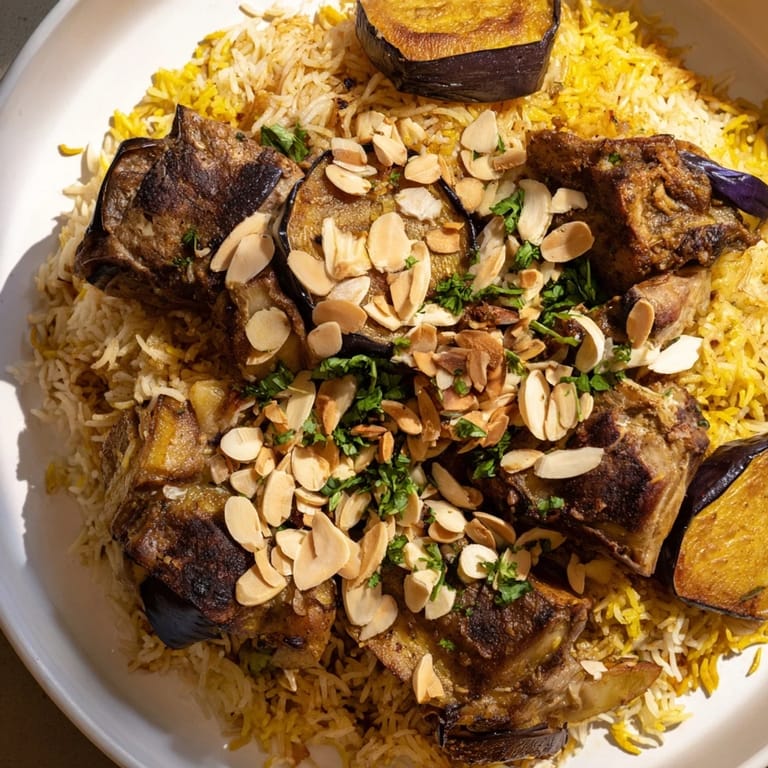
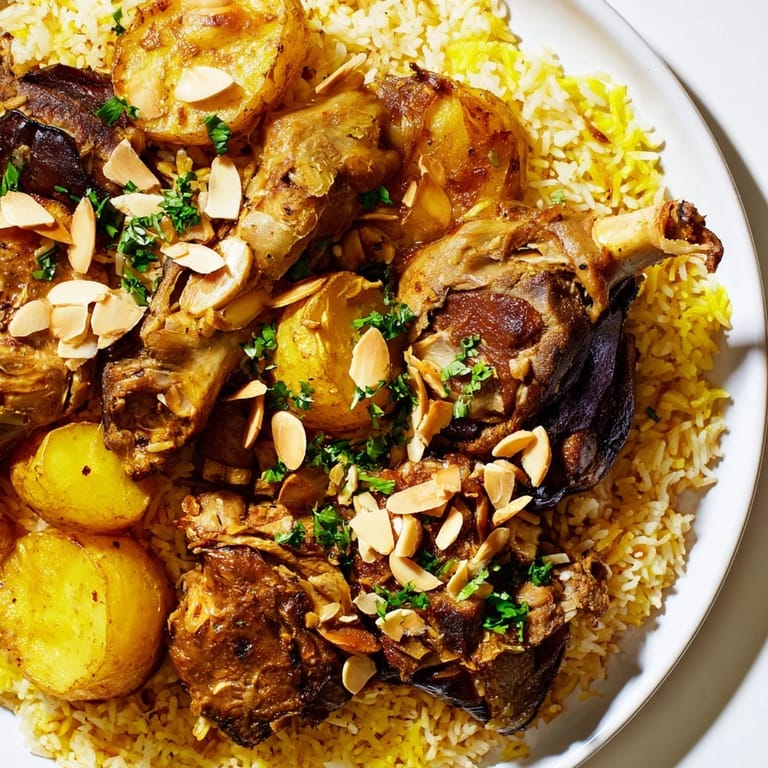
- Place a large serving platter over the pot, take a deep breath, and in one confident motion flip the entire pot upside down. Listen for that satisfying slide, then carefully lift the pot away—you'll reveal a golden dome of caramelized vegetables and meat on top, with fluffy rice underneath.
- Finish and serve:
- Scatter the toasted almonds or pine nuts over the top and sprinkle with fresh chopped parsley. Serve immediately while everything is still steaming, with yogurt or a fresh cucumber-tomato salad on the side to cut through the richness.
 Save
Save My cousin once told me that her mother used to make maqluba on special occasions, and the whole family would gather around the table waiting for that flip. There was something about the suspense, the anticipation of whether it would work, that made even the simplest version feel like an event. Now whenever I make it, I think of that excitement, and I try to capture it by inviting people into the kitchen to watch—because maqluba isn't just food, it's a small, edible performance.
The Art of Layering
The key to maqluba is understanding that the order of your layers matters, but not in the way you might think. Because you're flipping the pot upside down, the first thing you place at the bottom of the pot will be the top layer when you serve it. Start with tomatoes because they're soft and won't slide around as you add other ingredients; they'll also release moisture that keeps the bottom from sticking. The potatoes and eggplant go next because they're sturdy enough to support the weight of the meat, and their caramelized surfaces will be your golden crust when flipped. Finally, the rice goes on top, tucked into all the crevices and pressed down firmly—it's the glue that holds everything together during the crucial moment when you turn the pot upside down.
Timing and Temperature
The most common mistake people make is either undercooking or overcooking the meat before layering. You want it nearly cooked through but still tender enough that it won't fall apart when the whole pot is inverted—if it's still raw inside, it won't finish cooking in the final step, and if it's overcooked, it'll shred. Medium heat for searing and a gentle simmer for the broth are your friends here. The vegetables, too, need enough time in the oven to caramelize without drying out; 20–25 minutes at 200°C usually does it, but oven temperatures vary, so watch for golden-brown edges and a tender texture. Finally, that 35–40 minute cook time at low heat for the rice is non-negotiable—it's what allows the liquid to be fully absorbed and the grains to soften without becoming mushy.
Variations and Swaps
Maqluba is forgiving enough to adapt to what's in your kitchen or what you're craving. Some versions use cauliflower florets instead of eggplant for a lighter, less earthy flavor, or you can mix both for textural variety. Boneless chicken thighs are faster to prep and cook than lamb shanks, and they're more budget-friendly if you're feeding a crowd. You can even add a handful of chickpeas between the rice and vegetables for extra heartiness. The spice profile is flexible too—if you're not a fan of cinnamon, reduce it or skip it entirely; if you want more warmth, add a pinch of nutmeg or increase the allspice. The one thing I'd never compromise on is the spice-infused broth, because that's what seasons every layer of the dish from within.
- Try halving the cinnamon if you prefer a more savory profile, or add a pinch of nutmeg for deeper warmth.
- If you can't find bone-in lamb, boneless chicken thighs cook just as beautifully and won't break the bank.
- Roast your nuts in a dry skillet before toasting them—it deepens their flavor and makes them extra crispy.
 Save
Save This dish is as much about the ritual of cooking it as it is about eating it—the searing, the layering, the anticipation during those final minutes on the stove. Once you master the flip, you'll find yourself making maqluba again and again, because it never stops feeling a little bit like magic.
Recipe Help & Answers
- → What type of meat works best for Maqluba?
Bone-in lamb shanks or chicken pieces are ideal as they provide rich flavor and tender texture after simmering.
- → How should the vegetables be prepared?
Eggplants and potatoes are peeled, sliced into rounds, brushed with oil, and roasted until golden and tender for added depth.
- → How is the layering done in this dish?
Start with tomato slices on the bottom, followed by roasted potatoes, eggplant, meat and onions, then topped with soaked basmati rice before simmering.
- → Can the broth be flavored differently?
Yes, the broth is enriched with turmeric, cumin, and salt, which infuse the rice with warm, aromatic spices.
- → What is the purpose of inverting the pot after cooking?
Flipping the cooked layers creates an impressive presentation revealing the colorful, beautifully arranged ingredients.