 Save
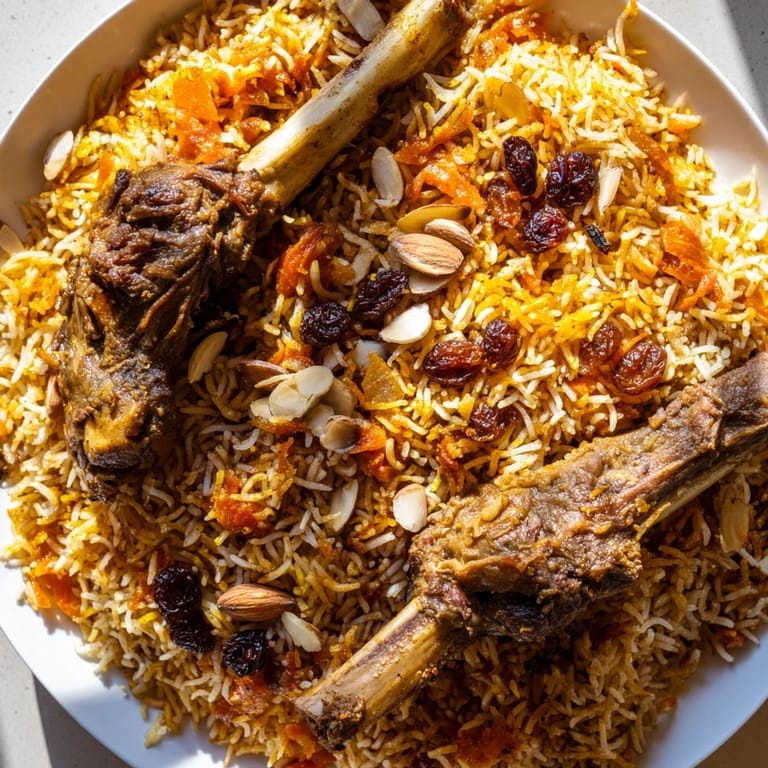
Save The first time I truly understood kabsa was watching my neighbor's mother work through the spice layers at dawn, her hands moving with the kind of certainty that comes from decades of repetition. She didn't measure as much as she knew, adding cardamom and cinnamon with the confidence of someone who'd cooked this dish through celebrations, losses, and ordinary Tuesdays. When that fragrant cloud of steam rose from the pot, I realized this wasn't just rice—it was an entire story told through aroma and taste.
I made this for my daughter's school potluck and watched it disappear faster than anything else on the table—not because it was fancy, but because it felt generous and inviting. By the end of the meal, three parents were asking for the recipe, and one admitted she'd never tried anything like it before. That moment when food becomes a conversation starter reminds me why I keep making it.
Ingredients
- 1 kg bone-in lamb or chicken pieces: The bones add deep, savory richness to the broth that soaks into every grain of rice. If you can find pieces with good marbling, even better.
- 1 tbsp vegetable oil: Neutral oil lets the spices take center stage without competing flavors.
- 1 large onion, finely sliced: Golden onions are your base layer of flavor—don't rush this step.
- 3 cloves garlic, minced: Adds bite and depth that ties all the warm spices together.
- 2 tsp ground cumin: The backbone spice that makes this taste authentically Middle Eastern.
- 2 tsp ground coriander: Bright and slightly citrusy, it lifts the heavier spices.
- 1 ½ tsp ground cinnamon: Warmth without sweetness—essential for the signature flavor profile.
- 1 ½ tsp ground black pepper: Fresh cracked is ideal, adding gentle heat throughout.
- 1 tsp ground turmeric: Earthy undertone and beautiful golden color.
- 1 tsp ground cardamom: Floral and complex, this is what makes people ask for seconds.
- ½ tsp ground cloves: Use sparingly—a little goes a long way here.
- ½ tsp ground allspice: Rounds out the spice blend with subtle warmth.
- 2 dried bay leaves: Remove these before serving; they're flavor workers, not meant to be eaten.
- 1 dried black lime (loomi), pierced (optional): Adds authentic tangy complexity if you can find it, but not essential.
- 2 medium tomatoes, chopped: Fresh acidity that balances the richness of the meat.
- 1 medium carrot, grated: Adds subtle sweetness and texture as it breaks down into the broth.
- 3 cups basmati rice, rinsed and soaked 20 minutes: Long-grain basmati stays separate and fluffy—rinsing removes excess starch, soaking ensures even cooking.
- 5 cups chicken or lamb stock: Homemade is best if you have time, but quality store-bought works too.
- ½ cup golden raisins: Plump them up by soaking in warm water for a few minutes first if you want extra tenderness.
- ½ cup slivered almonds, toasted: Toast them yourself in a dry pan for better flavor than pre-toasted versions.
- ¼ cup fresh parsley, chopped (optional): A bright finish that cuts through the richness.
- Salt, to taste: Start conservative since your stock likely has salt already.
Tired of Takeout? 🥡
Get 10 meals you can make faster than delivery arrives. Seriously.
One email. No spam. Unsubscribe anytime.
Instructions
- Build your flavor foundation with onions:
- Heat oil over medium-high heat and add your sliced onion, stirring occasionally until the edges turn golden and they start to smell sweet—this takes about 5-7 minutes. This patient step creates the base that everything else builds on.
- Seal the meat with heat:
- Add minced garlic, cook for just a minute to soften it, then add your meat pieces in a single layer. Let them sit undisturbed for a couple minutes before stirring—you want color and crust, not gray steamed meat.
- Wake up the spices:
- Stir in all your ground spices, bay leaves, and black lime if using, and let them toast in the oil for 1-2 minutes until the whole pot smells like celebration. This releases the essential oils and deepens their flavor.
- Add vegetables and build the broth:
- Add chopped tomatoes and grated carrot, stirring gently for 4-5 minutes until they soften and begin breaking down. You're creating a flavor-rich base that the rice will cook in.
- Simmer the meat until tender:
- Pour in your stock, bring to a boil, then cover and reduce to low heat for 35-40 minutes if using chicken or up to 60 minutes for lamb. The meat should pull apart easily with a fork when ready.
- Separate meat from broth:
- Once tender, carefully remove meat pieces and set them aside on a warm plate, covered loosely with foil to keep them warm.
- Add rice to the flavorful broth:
- Drain your soaked rice well and stir it into the hot broth with salt to taste, then nestle the warm meat back into the rice. The meat will flavor the rice as everything finishes cooking.
- Add your treasured garnishes:
- Scatter golden raisins evenly over the rice before covering—they'll plump up slightly as they cook.
- Let it finish cooking undisturbed:
- Cover tightly and cook on low heat for 25-30 minutes, resisting the urge to peek or stir. When done, all liquid should be absorbed and rice grains should be separate and tender.
- Finish with care and crunch:
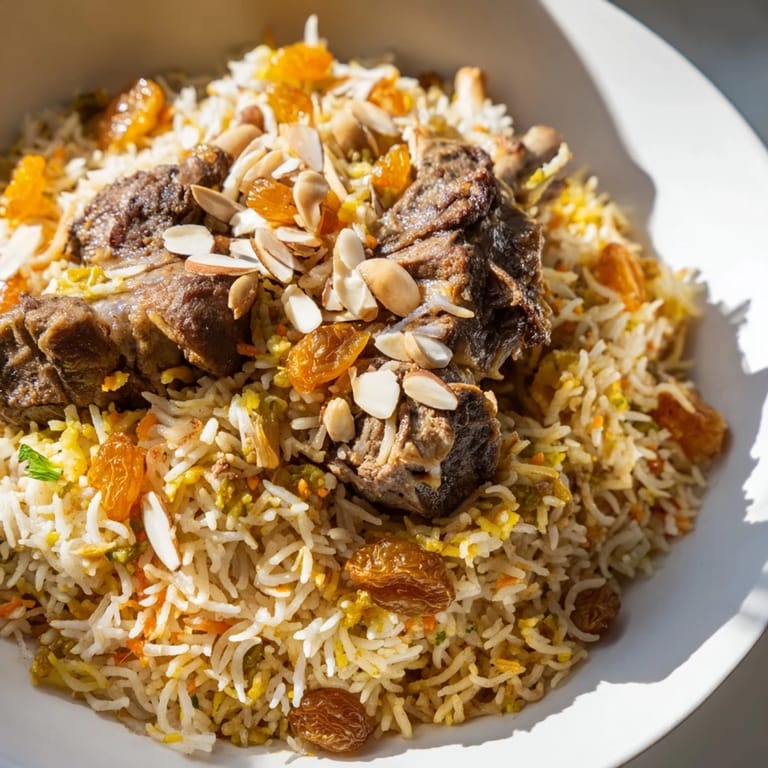
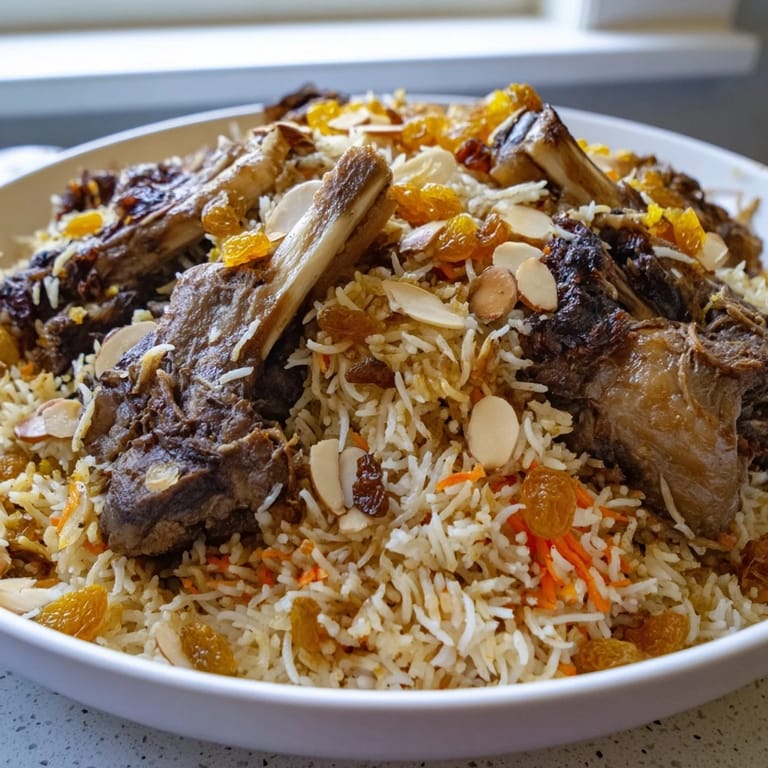
- Discard bay leaves and the black lime piece, then fluff the rice gently with a fork. Transfer everything to a serving platter and crown it with toasted almonds and fresh parsley.
 Save
Save My aunt taught me that kabsa is about generosity—the kind of dish you make when you want people to feel cared for and full. The first time someone I'd made this for came back asking how to cook it themselves, I knew I'd passed something meaningful along.
The Magic of Spice Layering
This dish works because no single spice overpowers; instead, they create a warm, complex backdrop for the meat and rice. Cumin and coriander form the core, while cinnamon and cardamom add a subtle floral warmth that surprises people who expect only savory flavors. The smaller amounts of cloves and allspice add depth without announcing themselves loudly. If you toast whole spices before grinding them yourself, the flavor deepens even further—but ground spices work beautifully if that's what you have.
Meat Choices and Cooking Times
Lamb is traditional and creates the richest, most luxurious version, but chicken makes this lighter and less heavy, perfect for warmer months or when you want something less intense. Beef works too, though it sometimes needs the longer cooking time lamb does. The bone-in requirement isn't just tradition—it keeps the meat moist during the long simmer and adds gelatin to the broth that coats every grain of rice.
Serving and Storage Wisdom
Kabsa is best eaten the same day you make it, while the rice is fluffy and the almonds still have their crunch. Serve it with cooling yogurt and a simple tomato-cucumber salad on the side to cut through the richness. Leftovers keep for three days refrigerated and actually benefit from an overnight rest as the flavors marry, though you'll want to gently reheat and add a splash of water to restore moisture to the rice.
- Yogurt on the side cools every bite and balances the warm spices perfectly.
- A fresh salad provides brightness that prevents the meal from feeling heavy.
- Toast extra almonds beyond what the recipe calls for if you like that crunch factor as much as I do.
 Save
Save Kabsa is the kind of dish that transforms an ordinary dinner into something that feels special, without requiring you to spend all day in the kitchen. Make it once and you'll understand why it shows up at celebrations—it's generous, warm, and absolutely worth the effort.
Recipe Help & Answers
- → What type of meat is best for Saudi Kabsa?
Lamb or chicken work best, providing tender and flavorful results when simmered slowly with spices and stock.
- → Can I toast the spices before cooking?
Yes, toasting the spices enhances their aroma and deepens the overall flavor of the dish.
- → What role do raisins and almonds play in this dish?
Raisins add subtle sweetness while toasted almonds contribute a crunchy texture, balancing the spicy and savory notes.
- → Is it necessary to soak the basmati rice beforehand?
Soaking helps the rice cook evenly and results in fluffier, separate grains in the final dish.
- → Can dried black lime (loomi) be omitted?
Yes, loomi adds a unique citrusy depth, but the dish remains flavorful without it.
- → What cooking equipment is ideal for Kabsa?
A heavy-bottomed pot or Dutch oven ensures even heat distribution, perfect for slow simmering the ingredients.