 Save
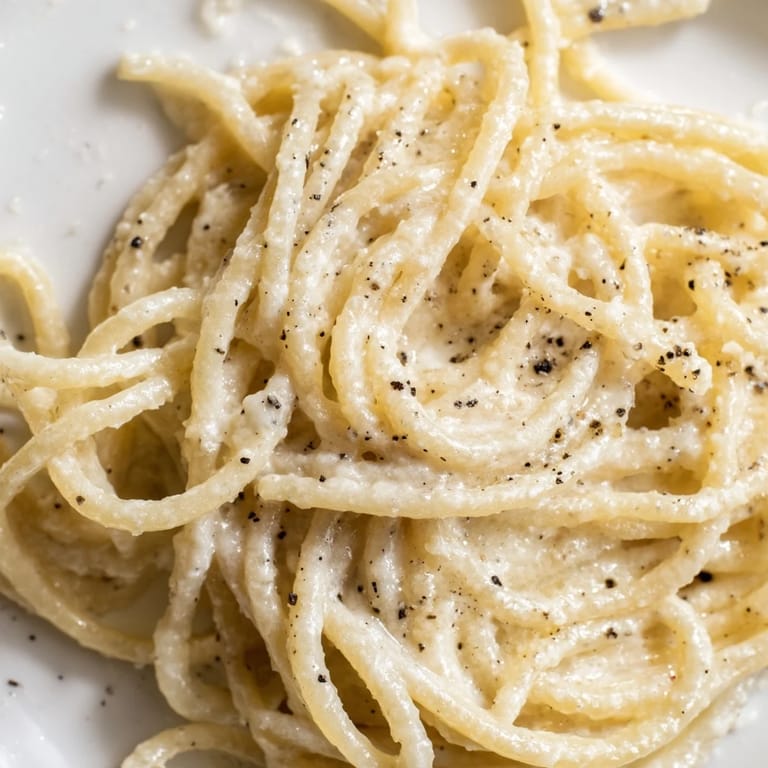
Save The skillet was too hot, the cheese seized into a grainy mess, and I stood there staring at what should have been silky strands of pasta. My first attempt at cacio e pepe was a disaster, but it taught me everything I needed to know about respecting simplicity. Three ingredients demand perfect timing, and once I learned to let the residual heat do the work instead of forcing it over high flame, everything changed. Now it's the dish I turn to when I want something extraordinary without the fuss. It never gets old.
I made this for my sister after she moved into her first apartment with barely any kitchen supplies. We stood over her single burner, tossing pasta in a borrowed skillet, and she couldn't believe something this good came from a handful of ingredients. She kept asking if I was hiding butter somewhere. That night, with mismatched plates and cheap wine, cacio e pepe became her signature dish. She still texts me photos every time she makes it, usually with the caption just cheese and pepper, as if she's still amazed.
Ingredients
- Spaghetti: The long strands hold onto the creamy sauce beautifully, and cooking it just to al dente means it finishes perfectly in the skillet while soaking up all that peppery, cheesy goodness.
- Pecorino Romano cheese: This is the soul of the dish, sharp and salty with a slight tang that Parmesan just can't replicate, and grating it finely right before use keeps it from clumping when it hits the heat.
- Freshly cracked black pepper: Toasting it in the pan wakes up its oils and turns it bold and fragrant, transforming it from a mere seasoning into the backbone of the sauce.
- Salt: The pasta water needs to taste like the sea so the noodles carry flavor from the inside out, but go easy since the Pecorino is already quite salty.
Tired of Takeout? 🥡
Get 10 meals you can make faster than delivery arrives. Seriously.
One email. No spam. Unsubscribe anytime.
Instructions
- Boil the pasta:
- Get your water boiling and salt it generously, then drop in the spaghetti and cook it until it still has a little bite. Before you drain it, scoop out a full cup of that cloudy, starchy water because that's what makes the magic happen.
- Toast the pepper:
- While the pasta bubbles away, warm your skillet over low heat and add the black pepper, letting it sizzle and pop until the kitchen smells amazing. This step only takes a minute or two, but it completely changes the flavor.
- Create the base:
- Pour about half a cup of that hot pasta water into the skillet with the toasted pepper and let it simmer gently. You're building the foundation of your sauce right here.
- Toss the pasta:
- Add the drained spaghetti straight into the skillet and toss it around so every strand gets coated in that peppery water. Work quickly and keep the heat low.
- Add the cheese:
- Sprinkle the grated Pecorino over the pasta bit by bit, tossing constantly and adding splashes of reserved pasta water as you go until the sauce turns creamy and clings to every strand. If it looks tight, add more water; if it looks loose, keep tossing and let it tighten up.
- Serve immediately:
- Pile it onto warm plates and finish with an extra shower of cheese and a few good cracks of pepper. This dish waits for no one, so dig in while it's hot.
 Save
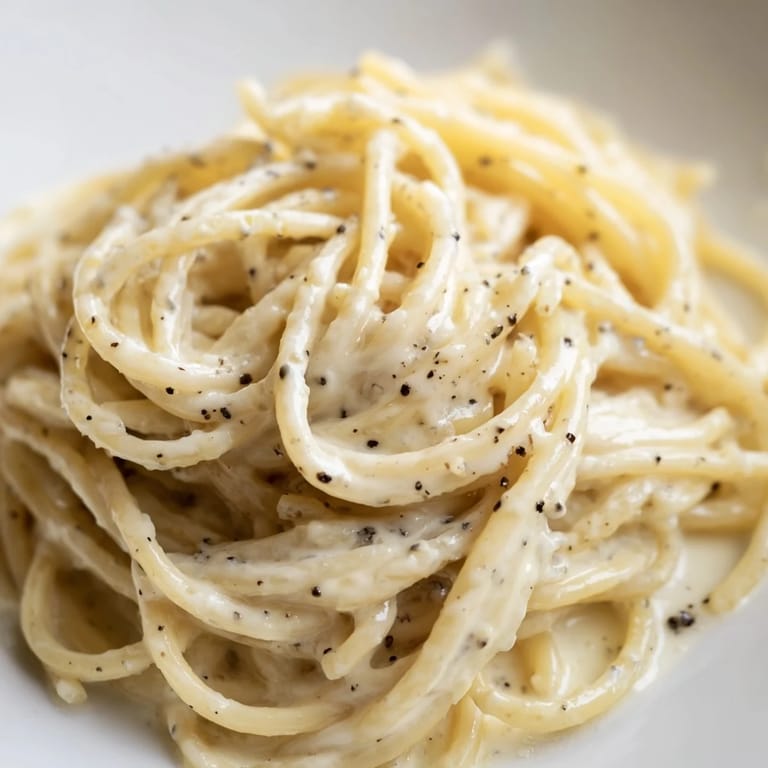
Save One winter evening, I made this after a long day when nothing felt right, and the first twirl of creamy, peppery pasta reset everything. My partner walked in, took one bite, and said it tasted like Rome even though neither of us had ever been. We ate it straight from the pan with a bottle of wine between us, and suddenly the day didn't matter anymore. That's when I realized cacio e pepe isn't just food, it's a reset button.
Choosing Your Cheese
Pecorino Romano has a sharpness that defines this dish, but I've used Parmigiano Reggiano when that's all I had, and while it's milder and less punchy, it still makes a lovely, creamy sauce. Some people blend the two for balance, which works beautifully if you find straight Pecorino too intense. Just make sure whatever you use is freshly grated, because the pre-shredded stuff will never melt the same way. Cheese quality matters more here than in almost any other pasta dish.
Getting the Texture Right
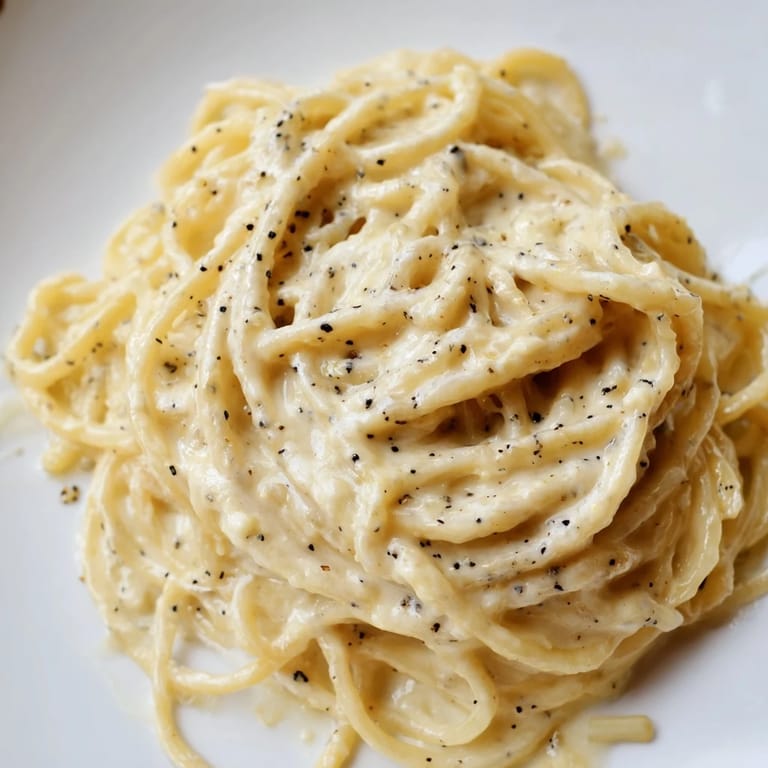
The sauce should coat the pasta like silk, not pool at the bottom of the bowl or look dry and broken. I learned to add the pasta water in small splashes, tossing constantly, because you can always add more but you can't take it back. If the sauce looks too thick, another splash of water and some vigorous tossing will bring it back. The residual heat and starch work together, so patience and movement are your best friends here. It's more about feel than measurement once you get the hang of it.
Serving and Pairing
This is the kind of dish that demands to be eaten immediately, straight from the stove to the table with no delays. I like to warm the plates first so the pasta stays creamy a little longer, and a crisp white wine like Vermentino or Pinot Grigio cuts through the richness perfectly. Sometimes I'll serve it with a simple arugula salad dressed in lemon and olive oil, just to add a bright, peppery contrast. It doesn't need much alongside it because it's already so complete on its own.
- Warm your serving bowls or plates so the sauce doesn't cool and tighten too fast.
- Use tongs to twirl the pasta into neat nests on each plate for a restaurant style presentation.
- Finish with a drizzle of good olive oil if you want a little extra richness and shine.
 Save
Save Once you nail the technique, cacio e pepe becomes the dish you make without thinking, the one that reminds you how much flavor lives in simplicity. It's proof that you don't need a long ingredient list to make something unforgettable.
Recipe Help & Answers
- → Why is my Cacio e Pepe sauce clumpy instead of creamy?
Clumping occurs when cheese cools too quickly or isn't stirred constantly. Keep heat low, add cheese gradually while tossing vigorously, and work at a steady pace. Reserve extra pasta water to loosen the sauce if needed.
- → Can I use Parmigiano Reggiano instead of Pecorino Romano?
Yes, Parmigiano Reggiano works well as a substitute, though it produces a milder, less salty flavor. For authenticity, Pecorino Romano is preferred, but either creates a delicious dish.
- → What type of black pepper should I use?
Freshly cracked black pepper is essential for maximum flavor and aroma. Avoid pre-ground pepper, which loses potency quickly. Toast whole peppercorns briefly before cracking for deeper flavor.
- → How do I prevent the pasta from sticking together?
Use a large skillet with plenty of reserved pasta water to keep noodles loose. Toss constantly while adding cheese and water. The starchy liquid helps separate strands and creates the silky sauce.
- → Can I make Cacio e Pepe ahead of time?
Cacio e Pepe is best served immediately after preparation. The emulsified sauce breaks down when reheated. If needed, reheat gently with a splash of water while tossing constantly.
- → Is this dish suitable for vegetarians?
Yes, when using vegetarian-certified cheese. Check labels to ensure the Pecorino Romano is produced without animal rennet. The dish contains no meat and is naturally vegetarian.