 Save
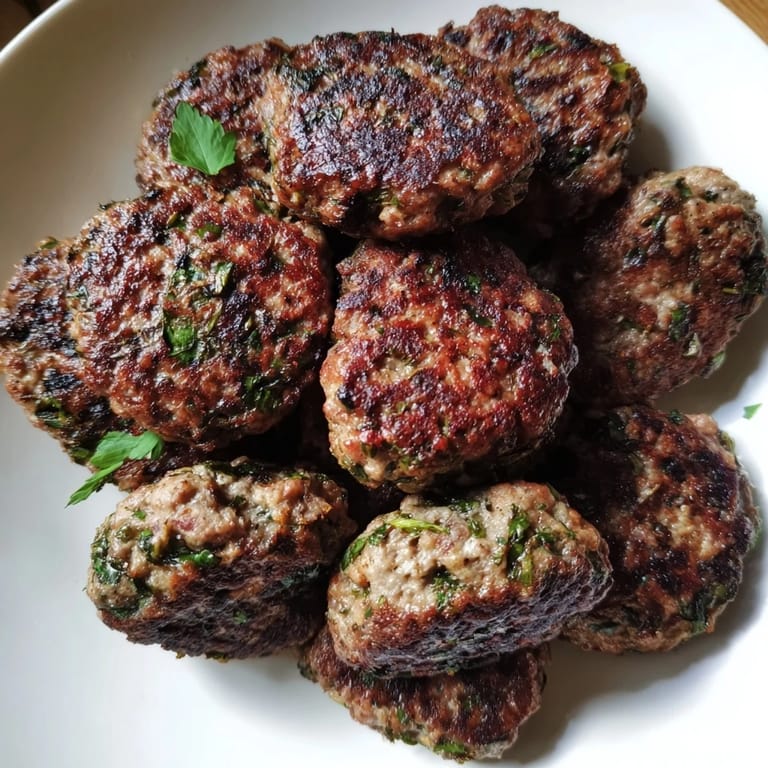
Save The first time I made Turkish köfte was on a weeknight when my neighbor stopped by with a bag of fresh mint from her garden. She mentioned her grandmother's recipe, and suddenly we were in the kitchen together, mixing ground lamb with bulgur and spices, our hands sticky with the raw mixture. What struck me was how the herbs transformed everything—the parsley and mint weren't just garnishes, they became the soul of these little meatballs. By the time they hit the hot oil, the kitchen smelled like somewhere I'd never been but somehow missed.
I remember serving these at a casual gathering, setting out a plate of warm köfte with yogurt sauce and flatbread. Someone broke one open, and steam rose with that unmistakable scent of cumin and fresh herbs. It became the thing people reached for repeatedly, and by the end of the night, I was already planning when I'd make them again.
Ingredients
- Ground beef or lamb (500 g): Lamb gives you more authentic flavor and richness, but beef works beautifully too—the mix of both is my secret when I want the best of both worlds.
- Fine bulgur (100 g): This isn't a filler; it binds everything while adding a subtle nuttiness and texture that keeps the meatballs from being dense.
- Small onion, finely grated (1): Grating instead of chopping releases the onion's juices, which get absorbed and distribute flavor evenly throughout.
- Garlic, minced (2 cloves): Fresh garlic is non-negotiable here—it mellows slightly when cooked and adds warmth without overpowering.
- Fresh parsley, finely chopped (2 tbsp): The backbone of the flavor; dried parsley won't give you the same brightness and aroma.
- Fresh mint, finely chopped (1 tbsp): This is what makes people pause and ask what the secret ingredient is—use fresh when you can, though dried mint works in a pinch.
- Ground cumin (1 tsp): Toasty and warming, it's the spice that makes these unmistakably Turkish.
- Paprika (1 tsp): Choose a good quality paprika for color and a subtle sweetness that balances the cumin.
- Ground black pepper (1/2 tsp): Fresh cracked is better if you have a mill; it adds bite without harshness.
- Chili flakes (1/2 tsp, optional): Just a whisper of heat that lingers pleasantly on the back of your throat.
- Salt (1 tsp): Taste as you go—you might need a touch more depending on your meat and how salty your other ingredients are.
- Large egg (1): This binds everything together and adds moisture that keeps the meatballs tender through cooking.
- Olive oil (2-3 tbsp): Use something you'd actually eat, not the cheapest bottle—it makes a real difference in the final taste.
Tired of Takeout? 🥡
Get 10 meals you can make faster than delivery arrives. Seriously.
One email. No spam. Unsubscribe anytime.
Instructions
- Soften the bulgur:
- Pour warm water over the bulgur in a bowl and let it sit for 10 minutes. This hydrates the grain and helps it absorb all those flavors you're about to add. When you press it gently, it should feel soft and slightly fluffy, like a sponge ready to drink everything in.
- Build your mixture:
- Add the meat, grated onion, minced garlic, fresh herbs, spices, salt, and egg to the bulgur. The bowl will look like controlled chaos for a moment—resist the urge to use a spoon and get your hands in there instead. Your hands can feel the texture developing and know when everything is truly combined, which is hard to judge with utensils.
- Mix with intention:
- Squish and fold the mixture for a minute or two until it becomes cohesive and slightly sticky. You're looking for a texture that holds together but still feels alive, not dense and compacted. If it seems too dry, add a splash of water; too wet, sprinkle in a bit more bulgur.
- Shape with damp hands:
- Wet your hands slightly so the mixture doesn't stick, then roll walnut-sized portions between your palms. Work quickly so the mixture doesn't warm up too much, which can affect the texture when cooked. The slight moisture on your hands is your secret to smooth, even meatballs.
- Pan-fry to golden perfection:
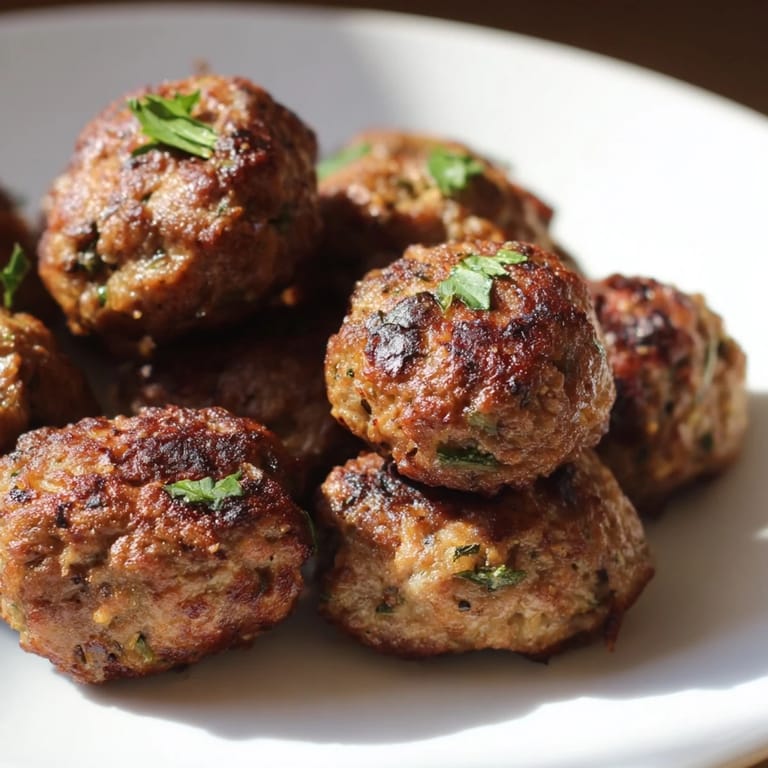
- Heat olive oil in a skillet over medium heat until it shimmers, then add meatballs in a single layer. Let them sit undisturbed for 3 to 4 minutes until they develop a deep golden crust, then flip carefully and cook the other side. You'll hear them sizzle gently, and that's the sound of the exterior crisping while the inside stays tender.
- Or grill for char:
- If using a grill, preheat to medium-high and oil the grates to prevent sticking. Grill the meatballs for 3 to 4 minutes per side, rotating occasionally for even browning. The direct heat creates beautiful char marks and brings out a subtle smokiness that complements the herbs.
- Rest before serving:
- Let the cooked meatballs rest on a warm plate for a minute or two before serving. This gives the juices a moment to redistribute, ensuring every bite is tender.
 Save
Save There was an afternoon when my daughter helped me make these, standing on a stool beside me, her small hands mimicking mine as we rolled the meatballs. She got more mixture on herself than in the bowl, but when we sat down to eat together, she was so proud tasting something she'd made. These köfte became the dish I'd make whenever she asked for something special, turning simple ingredients into a quiet moment of connection.
The Magic of Turkish Herbs
The combination of parsley and mint is what separates these meatballs from dozens of other versions. Parsley brings a grassy freshness, while mint adds an almost cooling finish that makes each bite feel lighter and more vibrant. Together, they're so much more than the sum of their parts—they transport the meatball from savory to something more complex and craveable. If you grow herbs, a handful of fresh mint and parsley from the garden will change everything.
Cooking Method Matters
Pan-frying gives you a beautiful, even crust all the way around—there's something satisfying about hearing that sizzle and watching the oil shimmer as the meatballs golden up. Grilling offers a smokier character and less oil overall, which feels lighter but requires a slightly more careful touch to prevent sticking. I switch between methods depending on the season and what I'm craving: pan-fried when I want comfort, grilled when I want something with more dramatic flavor. Either way, the key is not moving them around too much—let them sit and develop that crust before flipping.
Serving and Storage Wisdom
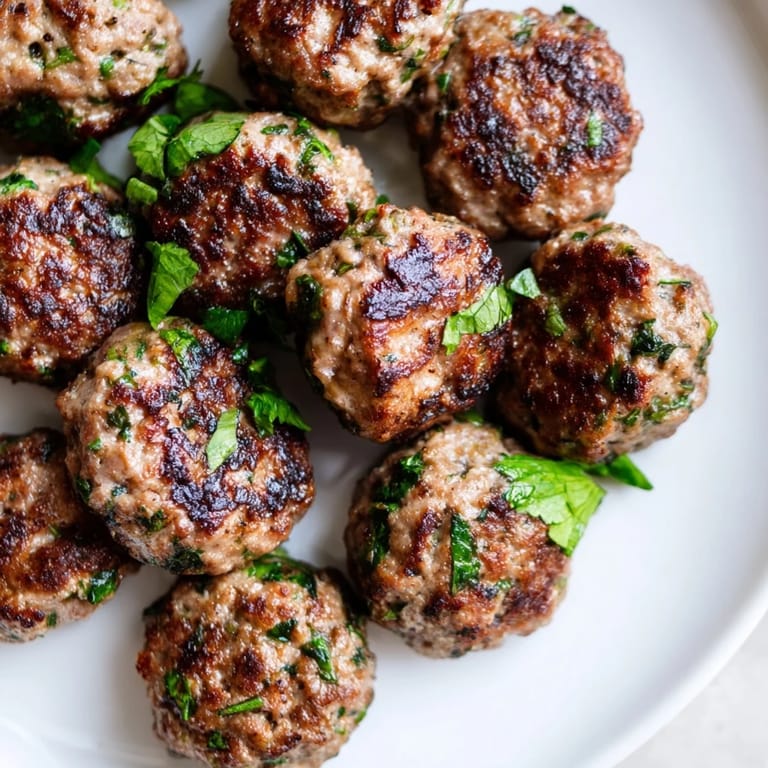
These köfte shine brightest served hot, nestled into warm flatbread with a dollop of cooling yogurt sauce and fresh vegetables. They're equally delicious at room temperature the next day, which is why I often make extra for lunch boxes and cold mezze platters. They freeze beautifully too—shape them raw on a baking sheet, freeze until solid, then transfer to a bag where they'll keep for up to three months.
- Serve with thick yogurt mixed with garlic and lemon for an instant sauce that feels restaurant-quality.
- A simple tomato and cucumber salad with fresh herbs cuts through the richness and completes the plate.
- If you're freezing, thaw in the refrigerator overnight before cooking, or add a minute or two to cooking time if cooking from frozen.
 Save
Save Turkish köfte are the kind of dish that sits at the table and becomes the moment—people gather around them, reaching for another, conversations flowing. They're proof that simple ingredients in the right combination create something that lingers in memory long after the plate is cleared.
Recipe Help & Answers
- → What makes Turkish köfte juicy and tender?
The combination of bulgur and egg in the mixture helps retain moisture, while finely grated onion and garlic add flavor and tenderness.
- → Can I grill the köfte instead of pan-frying?
Yes, grilling over medium-high heat creates a charred and crispy exterior while keeping the interior juicy.
- → Which herbs enhance the flavor of these köfte?
Fresh parsley and mint add bright, aromatic notes that complement the spices like cumin and paprika.
- → Is bulgur essential in the mixture?
Bulgur acts as a binder and adds texture, making the meatballs lighter and more flavorful.
- → How should I store leftover köfte?
Allow them to cool, then refrigerate in an airtight container for up to two days or freeze shaped portions separately.