 Save
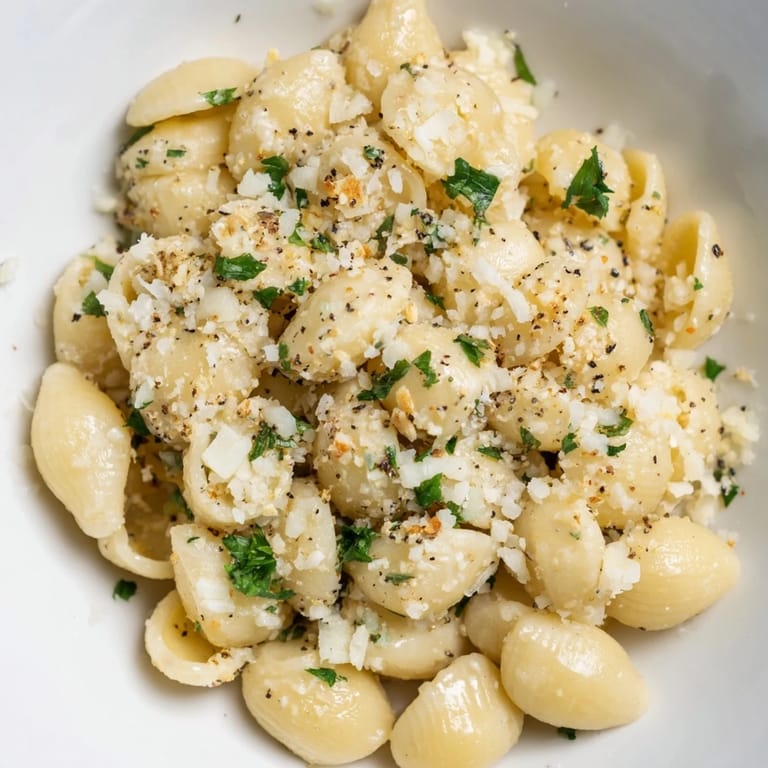
Save There's something almost meditative about the way butter melts in a hot pan, how garlic releases its perfume in those first few seconds before it could ever turn bitter. I stumbled onto this ditalini recipe on a Tuesday evening when I had twenty minutes, an empty fridge, and three hungry people waiting. What emerged was silky, garlicky, and so comforting that I've made it at least once a month ever since.
I served this to my neighbor during a casual Friday dinner, and she asked for the recipe before her plate was even clean. What made it special wasn't complexity—it was that moment when everyone at the table paused, genuinely pleased by something so unpretentious and real.
Ingredients
- Ditalini pasta (300 g): These little tubes are the unsung heroes here; they're small enough to cradle sauce in every pocket, which is why I don't recommend swapping for larger shapes.
- Unsalted butter (4 tablespoons): The foundation of everything, so use good butter if you can—it makes a real difference in the final taste.
- Garlic (4 cloves, finely minced): Mincing by hand instead of using a press gives you better control and ensures no burnt pieces hide in your sauce.
- Heavy cream (120 ml): This creates the silky texture, but don't skip reserving pasta water; the starch is what ties everything together.
- Parmesan cheese (50 g, freshly grated): Pre-grated cheese has anti-caking agents that make the sauce grainy; freshly grated melts smooth and clean.
- Black pepper and salt: Add these slowly and taste as you go; you're building flavor, not just seasoning at the end.
- Fresh parsley and lemon zest (optional): These aren't afterthoughts—they brighten the richness and add a whisper of freshness that makes people ask what makes it taste so good.
Tired of Takeout? 🥡
Get 10 meals you can make faster than delivery arrives. Seriously.
One email. No spam. Unsubscribe anytime.
Instructions
- Boil the pasta with intention:
- Fill your pot generously with salted water and let it come to a rolling boil before adding ditalini; this jump-starts cooking evenly. Stir once as it begins to cook, then let it do its thing, tasting at the 7-minute mark so you catch that perfect al dente moment where it's tender but still has a whisper of resistance.
- Build the sauce base:
- While pasta cooks, melt butter over medium heat and watch it carefully—you want it foaming gently, not browning. When it's melted and smells sweet and nutty, add your finely minced garlic and let it sizzle for just 1 to 2 minutes until fragrant; this is when your kitchen starts to smell like something special.
- Create the silky emulsion:
- Pour in the heavy cream and add that reserved pasta water a little at a time, stirring gently as you bring it to a soft simmer. The starch from the pasta water is what transforms cream into a sauce that clings; rush this step and you'll have cream soup instead of a coating.
- Bring it all together:
- Add your drained ditalini to the skillet and toss gently but thoroughly, letting the pasta sit in the heat for a moment so it absorbs the flavors. The pasta should be half-submerged in sauce; if it looks too thick, add pasta water a splash at a time until you reach that creamy, glossy consistency.
- Finish with finesse:
- Sprinkle in Parmesan, pepper, and a pinch of salt, stirring slowly so the cheese melts into silky ribbons. Remove from heat before it gets too hot, then fold in parsley and lemon zest if you're using them, tasting once more to make sure the seasoning sings.
 Save
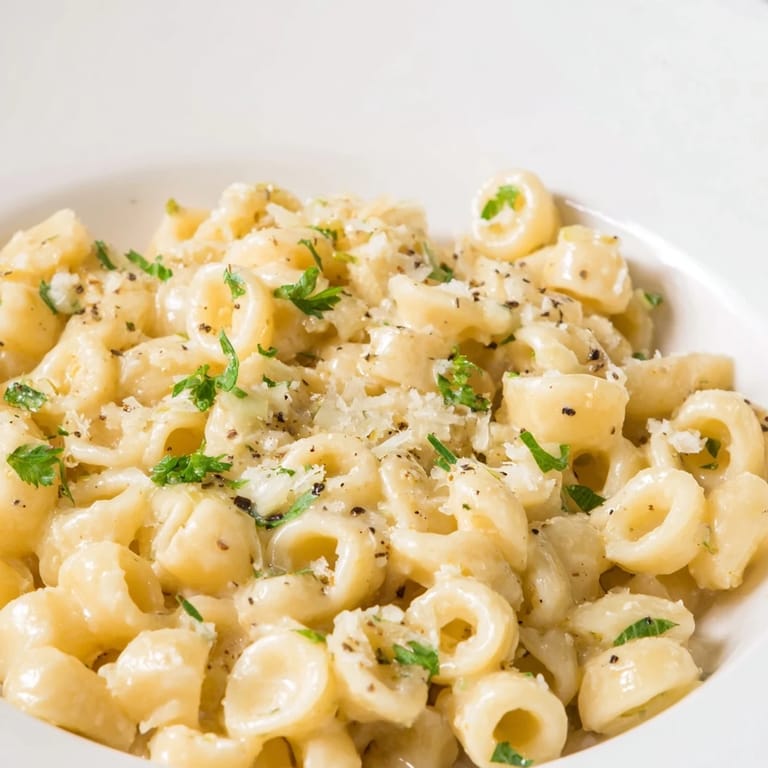
Save The real magic happened when my eight-year-old asked for seconds without being asked, and my partner said it was comforting in that way that makes you feel cared for. That's when I realized this wasn't just a quick weeknight pasta—it was a reminder that the simplest dishes often mean the most.
Why Ditalini Matters
Ditalini's tiny tube shape isn't just cute; it's functional. Unlike long strands that slide around your fork, these little pieces trap sauce inside and around their surface, so every bite is actually creamy and flavorful. I've tried this with penne, rigatoni, and even shells, and while they're fine, ditalini feels like it was designed specifically for this sauce. There's also something psychologically satisfying about a dish that feels substantial and complete without being heavy—ditalini manages that balance beautifully.
The Technique of Gentle Heat
The biggest lesson I learned making this repeatedly is that lower heat is always better once the cream enters the picture. High heat makes cream separate, Parmesan turn grainy, and the whole sauce break apart into an oily mess. Once I started respecting the gentle simmer and removing the pan from heat before everything got too hot, the results became consistently silky and luxurious. It takes the same amount of time either way, but the difference in texture is night and day.
Making It Your Own
This recipe is a canvas waiting for your preferences. Some nights I add a handful of fresh spinach or a few sun-dried tomatoes; other times I crack in red pepper flakes for heat or stir in a dollop of mascarpone for extra richness. The beauty is that the base is so balanced that additions feel like creative choices, not rescues. Start with the foundation, taste as you cook, and let your instincts guide you toward what sounds good.
- Red pepper flakes or a pinch of cayenne transforms this into something elegant for a date night dinner.
- A tablespoon of mascarpone stirred in at the end creates an almost luxurious creaminess that feels indulgent but still takes five minutes.
- Fresh mushrooms sautéed in the butter before adding garlic add earthiness and a completely different character to the dish.
 Save
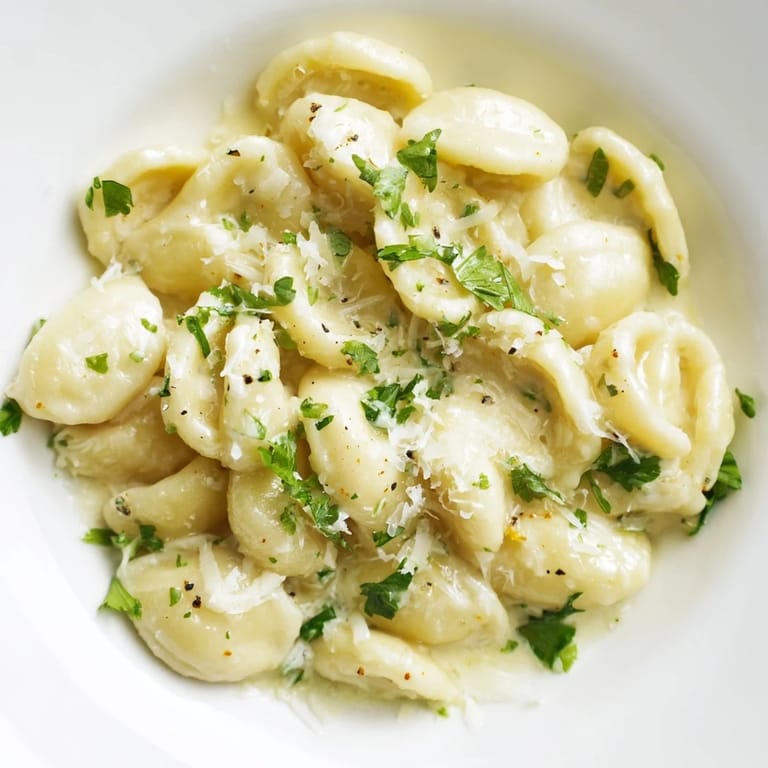
Save This is the kind of recipe that becomes part of your rotation because it works every single time, and that reliability is its own kind of comfort. When you need dinner fast but want it to feel intentional and delicious, this ditalini is exactly what you reach for.
Recipe Help & Answers
- → What is the best way to cook ditalini pasta?
Bring salted water to a rolling boil and cook the ditalini until al dente, usually about 8 minutes. Reserve some pasta water before draining to adjust sauce consistency later.
- → How do I achieve a silky garlic butter sauce?
Sauté minced garlic in melted unsalted butter over medium heat until fragrant without browning, then gently simmer with cream and reserved pasta water for a smooth, rich sauce.
- → Can I substitute Parmesan in this dish?
Yes, alternatives like Pecorino Romano or a plant-based hard cheese can be used depending on dietary preferences, keeping the sauce flavorful and creamy.
- → What variations can enhance this pasta?
Add a splash more cream or mascarpone for richness, or sprinkle red pepper flakes for a mild heat. Fresh parsley and lemon zest offer a bright finishing touch.
- → How should leftovers be stored and reheated?
Store leftovers in an airtight container in the fridge for up to two days. Reheat gently on low heat with a splash of milk or cream to restore creaminess.