 Save
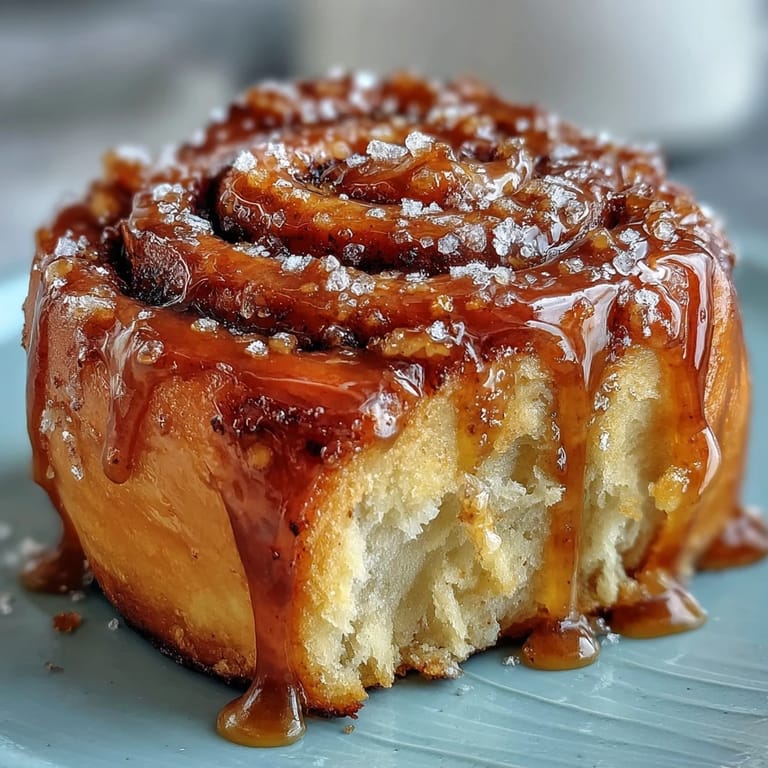
Save There's something magical about opening the oven to find twelve golden spirals of citrus sunshine staring back at you, and the best part? You didn't spend all morning in the kitchen to make it happen. One lazy Sunday morning, I was craving something both indulgent and bright, something that didn't require yeast or patience, and these mini orange rolls were born from that exact moment of wanting the payoff without the wait. The crescent dough does the heavy lifting while you get to play with that gorgeous orange zest, and honestly, watching someone's face light up when they bite into one of these warm rolls makes the whole thing feel like a small act of magic.
I tested these on my neighbors on a Saturday afternoon, and within five minutes they were knocking on my door asking if I was selling them. That's when I knew they were genuinely special—not just convenient, but actually worthy of people's time and compliments. There's a confidence that comes from pulling something this pretty and delicious from the oven in such a short span of time.
Ingredients
- 1 can (8 oz / 226 g) refrigerated crescent roll dough: This is your foundation, and the fact that it comes pre-rolled means you skip the kneading entirely—look for a can that feels cold and doesn't have any dents that might have damaged the seal.
- 2 tbsp unsalted butter, softened: Room temperature butter spreads without tearing the delicate dough, so don't skip the softening step or you'll end up frustrated and frustrated butter doesn't blend nicely with sugar.
- 1/4 cup (50 g) granulated sugar: This is your sweetness foundation, and it pairs perfectly with that zest to create a filling that tastes both delicate and deeply flavorful.
- Zest of 1 large orange (about 1 tbsp): Invest in a microplane if you don't have one—it makes zesting feel effortless and gives you those bright little flavor bombs without any bitter white pith.
- 1/2 tsp pure vanilla extract: This small amount rounds out the flavor and makes the orange sing without making itself known, so don't use imitation or you'll taste the difference.
- 1/2 cup (60 g) powdered sugar: This creates that glossy, drizzle-worthy glaze that makes everything look intentional and elegant.
- 1–2 tbsp fresh orange juice: Start with 1 tablespoon and add more slowly—you want a glaze that flows but doesn't puddle, which takes about thirty seconds of whisking to get right.
- 1/2 tsp orange zest (optional, for extra flavor): If you're not shy about citrus, this extra touch transforms the glaze from pretty to unforgettable.
Tired of Takeout? 🥡
Get 10 meals you can make faster than delivery arrives. Seriously.
One email. No spam. Unsubscribe anytime.
Instructions
- Get Everything Ready:
- Preheat your oven to 375°F (190°C) and line a baking sheet with parchment paper or lightly grease a mini muffin tin—this matters because it prevents sticking and cleanup becomes delightfully easy. If you're using parchment, press it into the corners so it stays put.
- Seal and Flatten Your Dough:
- Unroll the crescent dough onto a clean, dry surface and use your fingers to gently pinch those perforations closed, creating one large rectangle. You're not trying to break the dough, just seal it so it rolls smoothly without tearing.
- Mix Your Filling:
- In a small bowl, combine the softened butter, granulated sugar, orange zest, and vanilla extract, stirring until everything looks evenly distributed and fragrant. The moment you smell that orange oil releasing, you know you're doing it right.
- Spread the Orange Filling:
- Using a spoon or spatula, evenly distribute the filling across the entire surface of the dough rectangle, leaving a thin border so nothing squishes out when you roll. The filling won't be thick, but that's perfect—you want each bite to have flavor without heaviness.
- Roll It Up:
- Starting from the longer side, tightly roll the dough toward you into a log, pinching gently as you go to keep everything snug. Imagine you're rolling something precious; that's the pressure level you want.
- Slice Into Pieces:
- Using a sharp knife, slice the log into 12 equal pieces, and try to use one clean cut per roll rather than sawing, which prevents the spiral from compressing. If your knife gets sticky, a damp kitchen towel between cuts helps immensely.
- Arrange and Bake:
- Place each roll cut-side up on your prepared baking sheet or in the mini muffin tin, then pop them into the oven for 13–15 minutes until they're golden brown and puffed. The tops should look touchably warm but not dark.
- Make the Glaze:
- While the rolls bake, whisk together the powdered sugar and orange juice, adding the juice gradually until you reach a consistency that drips off your whisk but doesn't pool. If you're using that optional extra zest, stir it in now.
- Cool and Glaze:
- Let the rolls rest for about 5 minutes on the pan so they set slightly, then drizzle generously with your glaze and serve while they're still warm enough that the glaze soaks in slightly. This is the moment where everything comes together.
 Save
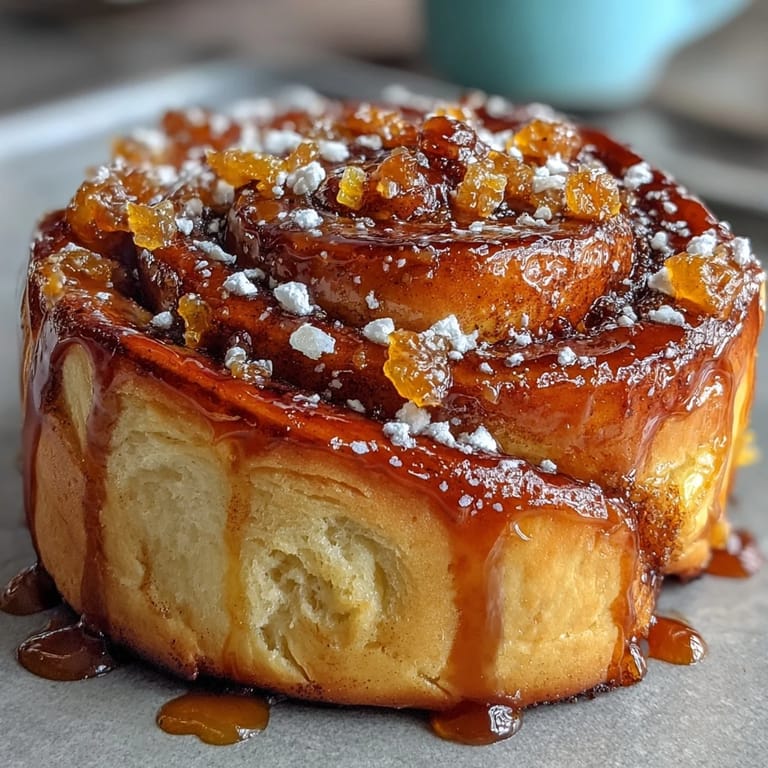
Save There was a moment during testing when a friend's young daughter took a bite and immediately asked why these weren't at her favorite bakery, and that's when I realized these aren't just a shortcut—they're actually delicious enough to stand on their own merit. Food that makes people happy, that brings a little brightness to an ordinary morning, that's the whole point, isn't it?
Why Fresh Orange Juice Makes All the Difference
Using fresh juice over bottled concentrate transforms the glaze from adequate to genuinely delicious because you get real citrus oils and brightness that bottled juice has lost during processing. I learned this the hard way when I tried to rush with concentrate and ended up with a glaze that tasted vaguely synthetic, which was a humbling reminder that shortcuts don't always save you time. Now I squeeze two oranges and don't think twice about it because the glaze is literally the last step and it's worth those extra two minutes.
The Beauty of Crescent Dough Chemistry
Crescent dough is engineered to puff and butter up, which means it doesn't need the extended resting time that traditional dough requires, giving you bakery-quality results in a fraction of the time. The layers already exist in the dough from manufacturing, so when heat hits it, those layers separate and create that tender, flaky texture that people expect from something this impressive. This is why these rolls feel like you did way more work than you actually did.
Storage, Serving, and the Art of Reheating
Fresh is always best with these, but life happens and sometimes you make them ahead, which is completely fine—store them in an airtight container for up to 2 days and gently reheat in a 300°F oven for about 5 minutes to restore that soft, pillowy texture. The glaze firms up as it cools, but warming them brings back a bit of that fresh-from-the-oven magic. Consider these possibilities for next time:
- Add a tiny pinch of sea salt to the filling for depth that makes the orange flavor pop even more.
- For a nutty twist, scatter chopped pecans or walnuts over the filling before rolling to add texture and richness.
 Save
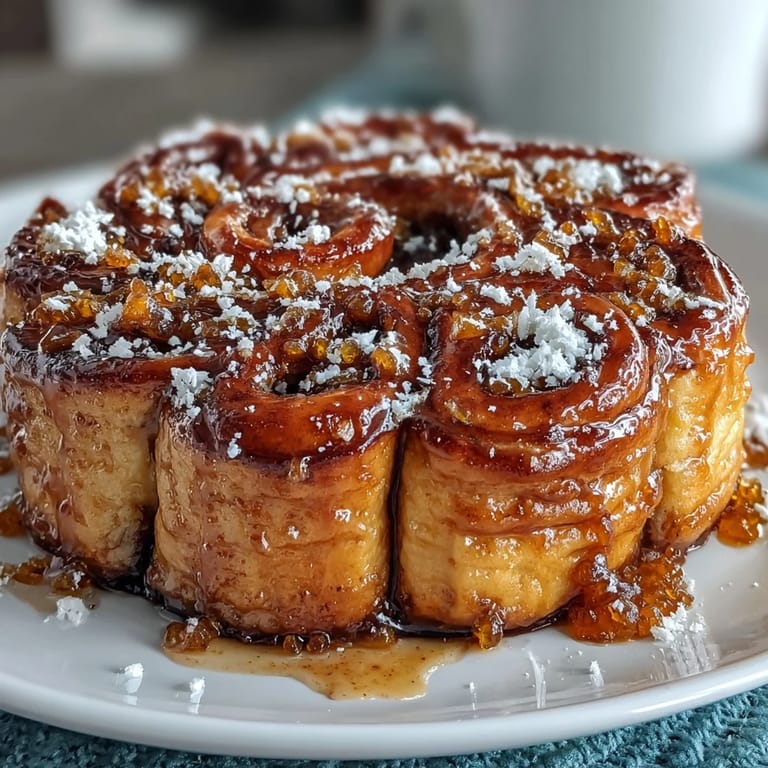
Save These rolls prove that convenience and quality don't have to be enemies, and sometimes the best breakfast memories are built on something that takes less than half an hour. Serve them warm with coffee and watch what happens.
Recipe Help & Answers
- → What dough works best for these rolls?
Refrigerated crescent roll dough offers a soft texture and quick preparation, ideal for these mini rolls.
- → Can I add nuts to the filling?
Yes, chopped pecans or walnuts can be sprinkled over the filling before rolling to add a crunchy texture.
- → How do I make the orange glaze?
Mix powdered sugar with fresh orange juice until pourable, then stir in orange zest for extra flavor.
- → What temperature and time should I bake the rolls?
Bake at 375°F (190°C) for 13-15 minutes until golden brown and cooked through.
- → Can these rolls be made ahead and stored?
They’re best enjoyed fresh but can be stored in an airtight container for up to two days without losing softness.
- → Is there a way to intensify the citrus flavor?
Adding a few drops of orange extract to the glaze enhances the citrus punch.