 Save
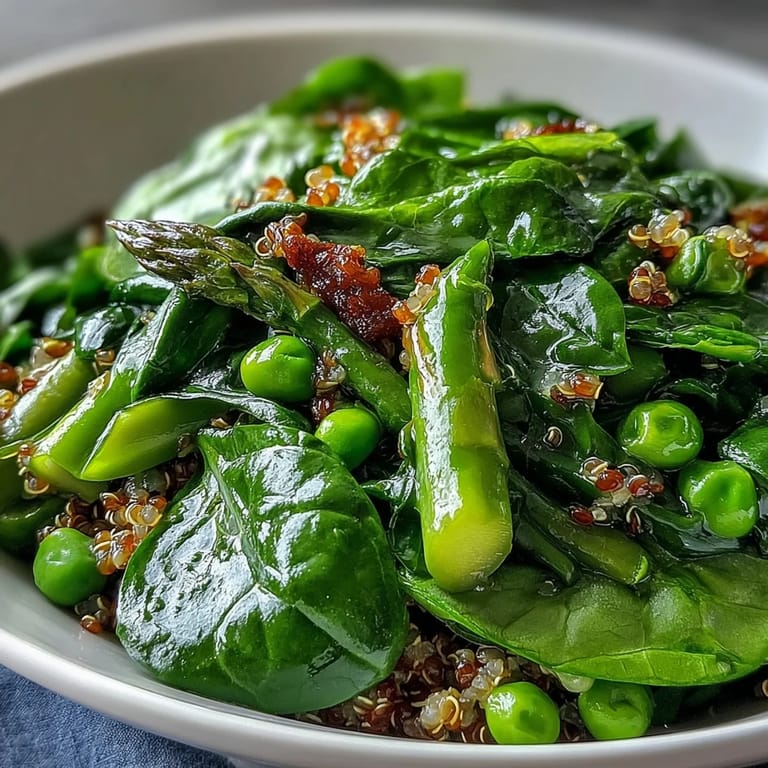
Save Last spring, I was sitting at my desk on a Tuesday afternoon when the smell of something fresh drifted through the kitchen window—green things growing, soil warming up. I realized I'd been eating the same heavy meals all winter and suddenly craved something that tasted like the season itself. That's when I started playing with vegetables I could actually see at the farmer's market, layering them over grains until the bowl looked almost too beautiful to eat.
I made this for my sister when she came home from the city, and she sat at the kitchen counter picking through it bowl by bowl, asking why restaurants charge so much for something this straightforward. We laughed because it was true—once you taste how the bright vegetables sing with that tangy dressing, you realize simplicity has been the secret all along.
Ingredients
- Quinoa, brown rice, or farro (1 cup): Pick whichever grain calls to you; quinoa is fastest if you're rushed, but farro has a satisfying chew that makes you feel like you're actually nourishing yourself.
- Water (2 cups) and salt (½ tsp): The salt in the cooking water is non-negotiable—it seasons the grains from the inside out so they don't taste like plain filler.
- Fresh green peas (1 cup): Frozen actually work beautifully here if fresh ones aren't in season; there's no shame in the freezer section.
- Asparagus (1 cup, cut into 2-inch pieces): Look for thinner spears unless you enjoy gnawing through tough ends like you're at a wilderness camp.
- Green beans (1 cup, trimmed and cut into 2-inch pieces): These hold their shape better than you'd expect, which is exactly what you want in a bowl.
- Baby spinach (2 cups): A quick wilt is all it needs; overcook it and you've turned silk into something sad.
- Extra-virgin olive oil (3 tbsp): This is where quality matters because there's nowhere to hide; use something you actually love tasting.
- Freshly squeezed lemon juice (2 tbsp) and lemon zest (1 tsp): Bottled juice tastes tinny here, so squeeze a real lemon and feel the difference immediately.
- Dijon mustard (1 tsp): It acts like an emulsifier and adds a subtle whisper of complexity that keeps people guessing what makes it work.
- Maple syrup or honey (1 tsp): Just a touch rounds out the acid and prevents the dressing from tasting aggressively sour.
- Garlic (1 small clove, minced): One clove is truly enough; you're building a whisper here, not a shout.
- Salt and black pepper to taste: Season at the end because the grains and blanching water have already given you a head start.
- Toasted pumpkin seeds or sunflower seeds (2 tbsp, optional): They add a nutty crunch that transforms the texture from soft to something worth chewing.
- Feta cheese (¼ cup crumbled, optional): Salty and creamy; leave it out if you're keeping things vegan, but know what you're missing.
- Fresh herbs—mint, parsley, or dill (optional): A handful scattered on top lifts everything; mint feels summery, parsley is reliable, dill pairs oddly well with lemon.
Tired of Takeout? 🥡
Get 10 meals you can make faster than delivery arrives. Seriously.
One email. No spam. Unsubscribe anytime.
Instructions
- Rinse and boil your grains:
- Give your grains a cold water rinse in a fine mesh strainer, then bring salted water to a rolling boil in a medium saucepan. The rinsing removes any dusty coating, and the salt in the water tastes better than sprinkling it on after. Add your grains, reduce heat, cover, and let them simmer quietly—quinoa takes about 15 minutes, brown rice closer to 35, but follow your package because every brand is slightly different.
- Blanch the vegetables separately:
- Bring a large pot of salted water to a boil and blanch each vegetable on its own for 2 to 3 minutes—peas, then asparagus, then green beans. You're looking for them to turn impossibly bright and still have a tiny bit of resistance when you bite down. Immediately scoop each batch into a bowl of ice water to stop the cooking; this keeps them green and crisp.
- Wilt the spinach quickly:
- Heat a large skillet over medium heat and add the spinach directly, no oil needed yet. Let it sit for a minute until the leaves start to soften and darken, then stir and remove from heat after another 30 seconds. Overcooked spinach tastes like regret.
- Whisk together your dressing:
- Pour the olive oil, lemon juice, lemon zest, mustard, maple syrup, and minced garlic into a small bowl and whisk vigorously until it turns slightly creamy and emulsified. Taste it, adjust the salt and pepper, and taste again; this is your only chance to get it right before assembly.
- Assemble with intention:
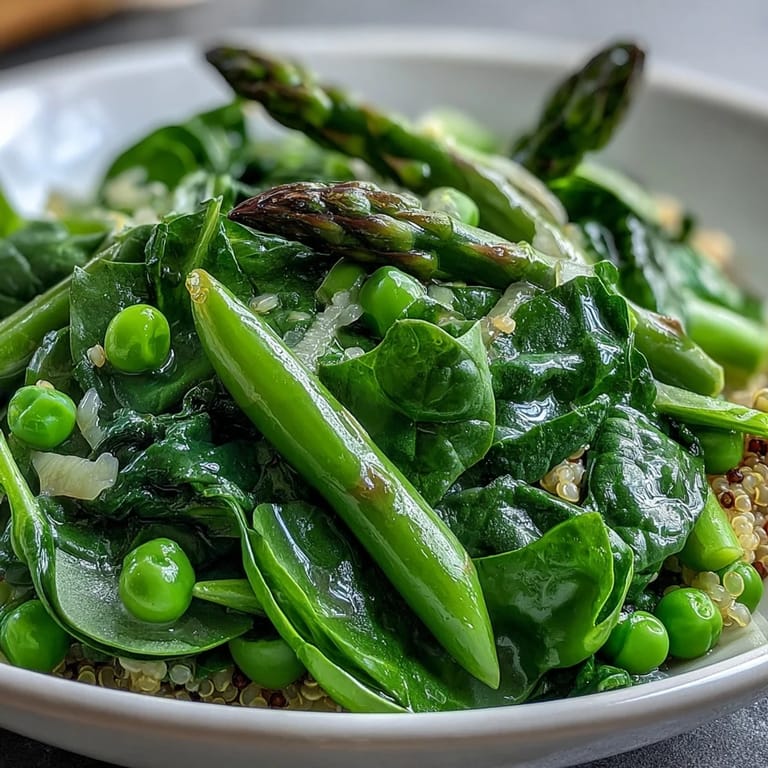
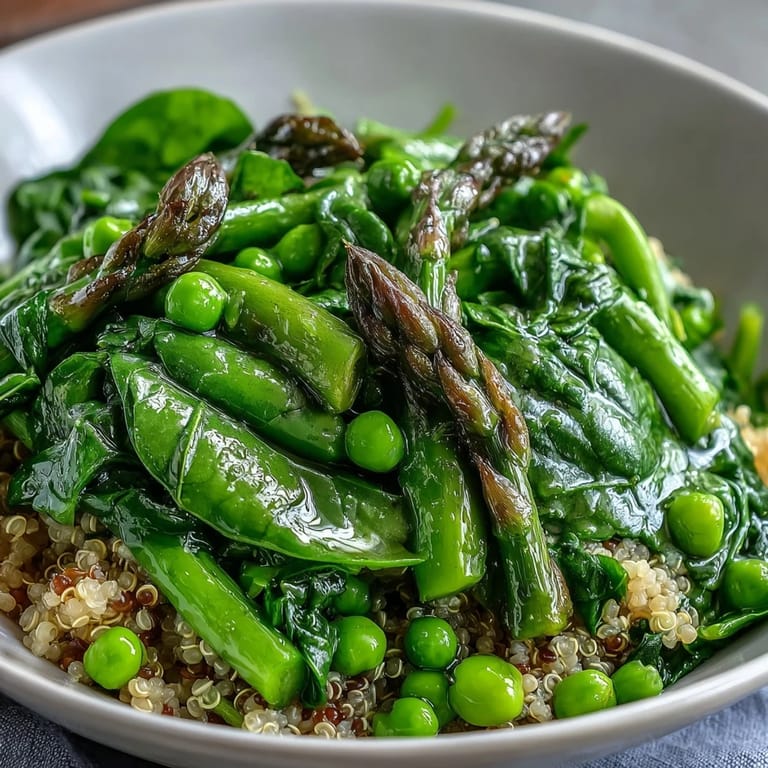
- Divide your cooked grains among four bowls, then arrange the blanched vegetables and wilted spinach on top like you're creating something worth looking at. Drizzle the dressing over everything so it soaks into the grains while the vegetables stay mostly dressed on the outside.
- Finish with toppings and serve:
- Sprinkle on your toasted seeds, crumbled feta if you're using it, and a handful of whatever fresh herbs you chose. Serve immediately while the grains are still warm and the vegetables are still bright.
 Save
Save My neighbor asked for this recipe after I brought her a bowl when she was recovering from surgery, and somehow it became the thing she requested most during her healing. There's something about a bowl this color and this honest that makes people feel seen and cared for.
Making Grains Less Boring
I used to think grains were just a vehicle for other flavors, something inert that got pushed around the plate. Then I started salting the cooking water, and everything changed—suddenly the quinoa or farro actually tasted like something on its own, not just like boiled nothing. It's a small shift that made me realize I'd been cooking them wrong the entire time.
Why Blanching Works When Roasting Doesn't
When I first started making bowls like this, I roasted the vegetables in hopes of getting something caramelized and deep. What I got instead was dark, mushy, and sad—none of the brightness that made spring spring. Blanching keeps everything tender but snappy, and the bright color isn't just visually stunning; it means the vegetables haven't lost their vitamins to high heat.
The Magic of Ice Baths
An ice bath feels like a professional kitchen technique, something chefs do with tweezers and precision, but it's honestly just stopping the cooking process dead in its tracks. The cold water halts everything immediately, locking in color and texture, and then you can sit back and admire what you've created. It's one of those moments where cooking feels less like guessing and more like science.
- Don't skip the ice water even if you're in a hurry; five minutes of extra effort buys you vegetables that taste and look twice as good.
- If you don't have ice, run very cold tap water over the vegetables in a colander, turning them gently until they're cool enough to touch.
- Drain everything thoroughly before assembling so your bowl doesn't turn into a watery mess within ten minutes.
 Save
Save This bowl has become the meal I make when I want to feel healthy without any theatrical effort, when I want something beautiful on the table that also happens to be honest. It's proof that simplicity, when done right, is never boring.
Recipe Help & Answers
- → What vegetables work best in this bowl?
Spring vegetables shine here—fresh peas, asparagus, green beans, and baby spinach create a beautiful green palette. Feel free to add other spring favorites like sugar snap peas, snow peas, or thinly sliced zucchini depending on what's in season.
- → Can I make this ahead for meal prep?
Absolutely. Cook the grains and blanch the vegetables up to 3 days ahead. Store them separately in airtight containers in the refrigerator. Keep the dressing in a small jar and add fresh toppings just before serving for the best texture and flavor.
- → What's the best grain to use?
Quinoa cooks fastest (15 minutes) and offers complete protein. Brown rice provides nutty depth and fiber (35 minutes). Farro delivers chewy texture and Italian-inspired flavor. Bulgur or couscous work well too—choose based on time preference and taste.
- → How do I blanch vegetables properly?
Bring salted water to a rolling boil. Add vegetables in batches, cooking 2-3 minutes until just tender and bright green. Immediately transfer to ice water to stop cooking and preserve color. Drain well before assembling your bowls.
- → Can I add protein to make it more filling?
Definitely. Grilled chicken breast, baked tofu, roasted chickpeas, or even a soft-boiled egg make excellent additions. Simply prepare your chosen protein separately and arrange it on top of the grains and vegetables before drizzling with dressing.
- → Is the lemon dressing adjustable?
Yes, the dressing is highly customizable. Add more lemon juice for brightness, extra maple syrup for sweetness, or additional garlic for depth. The mustard helps emulsify the oil and juice—Dijon works best, but grainy mustard adds nice texture.