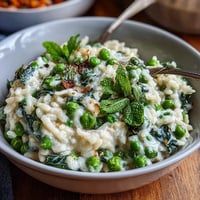
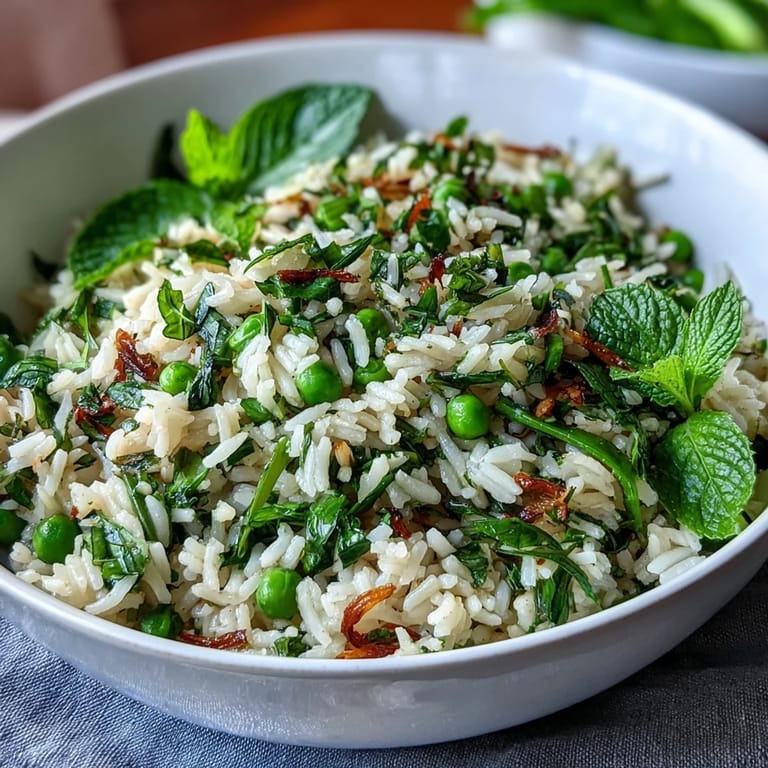
 Save
Save There's something about the first warm afternoon of spring that makes you crave something bright and alive on your plate. I was standing at the farmers market, eyeing those impossibly green peas still in their pods, when an older woman next to me mentioned she'd been making mint rice since her kids were small. That afternoon, I bought a bunch of fresh mint that smelled almost herbal enough to clear your sinuses, and suddenly this pilaf wasn't just a side dish anymore—it was a tiny celebration that winter had finally let go.
I made this for a dinner party on a Saturday evening when spring had just officially arrived, and my friend Sarah asked for the recipe before she'd even finished her first bite. She said it reminded her of something she'd had on a trip to Morocco years ago, which made me laugh because we were sitting in my tiny kitchen with zero exotic ingredients, just vegetables from down the street and a pot that had seen better days. But that's the magic of this rice—it tastes like travel and memory even when it's just made with what you have on hand.
Ingredients
- Long-grain white rice (1 cup): Basmati or jasmine work beautifully here because they stay separate and fluffy instead of turning mushy; rinsing the rice first removes excess starch and makes the final texture lighter and more elegant.
- Low-sodium vegetable broth (2 cups): The broth is where flavor lives, so don't skimp on quality—taste it first to make sure you like it before it becomes part of your rice.
- Fresh spring peas (1 cup): If you can find them fresh and pod them yourself, do it; if you're using frozen, that's genuinely fine and often fresher than what sits in produce sections.
- Yellow onion, finely chopped (1 small): The onion softens into sweetness as the butter cooks it, which becomes the quiet foundation everything else builds on.
- Unsalted butter (2 tablespoons): Unsalted lets you control the salt level, plus it creates that nutty, aromatic base that makes people wonder what your secret is.
- Garlic, minced (2 cloves): Don't use pre-minced; fresh garlic releases oils that make the whole pan smell like you know what you're doing.
- Fresh mint leaves, finely chopped (1/2 cup): Mint goes in at the very end so it stays bright and alive instead of turning dark and tired; the fresher the better, and if your mint is particularly peppery, you can use a bit less.
- Fresh flat-leaf parsley (2 tablespoons, optional): Parsley adds a gentle herbal note that doesn't compete with the mint; I skip it sometimes, include it others, depending on my mood.
- Lemon zest (1 teaspoon): The zest is citrus oil suspended in tiny pieces, and it brightens everything without adding moisture the way juice would.
- Salt and black pepper: Start with half a teaspoon of salt and add more after you taste it; freshly ground pepper makes a visible difference.
Tired of Takeout? 🥡
Get 10 meals you can make faster than delivery arrives. Seriously.
One email. No spam. Unsubscribe anytime.
Instructions
- Rinse your rice with intention:
- Run the rice under cold water while stirring gently with your fingers; the water will go cloudy at first, then gradually clear—this means you're washing off the starch that would otherwise make your rice clumpy. Stop when the water runs mostly clear and drain it well in a fine mesh strainer.
- Build your aromatic base:
- Melt butter in a medium saucepan over medium heat, then add the chopped onion and let it sit without stirring too much for about two minutes so it starts to soften and turn golden at the edges. After that, stir occasionally for another minute or so until it becomes translucent and sweet-smelling.
- Toast the garlic briefly:
- Add minced garlic and stir constantly for just 30 seconds—you want it fragrant but not brown, which would make it bitter. If you blink, you might miss it, so stay close.
- Coat the rice in butter and flavor:
- Add the rinsed rice to the pan and stir for about a minute, making sure every grain gets coated with the buttery aromatics. You'll hear the rice make a gentle clicking sound against the pan as it toasts slightly, which is exactly what you want.
- Add liquid and bring to a boil:
- Pour in the vegetable broth, sprinkle in salt and pepper, and stir once. Bring it to a rolling boil—you'll see it bubble energetically, and that's your signal to turn the heat down.
- Simmer covered and undisturbed:
- Reduce heat to low, cover the saucepan with a lid, and set a timer for 15 minutes. Don't peek; the steam inside is doing important work, and lifting the lid lets that heat escape.
- Introduce the peas:
- After 15 minutes, lift the lid (careful, that steam is hot), stir in the peas whether they're frozen or fresh, cover again, and cook for exactly 5 more minutes. Frozen peas don't need thawing; they warm right into the rice.
- Rest and let things settle:
- Remove the pan from heat, keep the lid on, and let it sit for 5 minutes. This resting period is when the rice finishes absorbing any remaining liquid and becomes perfectly tender.
- Fluff and finish with fresh herbs:
- Use a fork to gently fluff the rice, breaking up any clumps, then fold in the chopped mint and parsley. The residual heat will brighten the mint's flavor without cooking it to dullness, and then stir in the lemon zest.
- Taste and adjust:
- Take a spoonful, think about what you taste, and adjust salt and pepper if needed. Serve warm, with lemon wedges on the side if you want people to add extra brightness at the table.
 Save
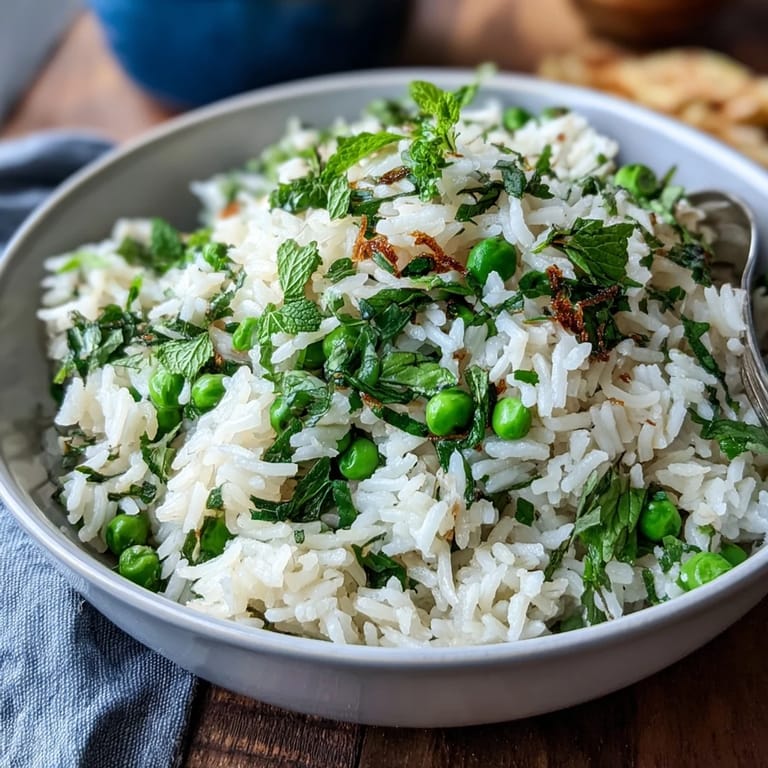
Save My nephew refused to eat rice until I made this dish for him one Sunday, and watching his face change from skeptical to surprised to actually asking for seconds was worth every minute I spent chopping mint. That's when I realized this pilaf does something most side dishes don't—it tastes so vibrant and intentional that it makes people pay attention, even the people who think they don't like side dishes.
When to Serve This Rice
This pilaf shines brightest in spring and early summer, when mint is abundant and peas are still sweet and tender. I serve it alongside ham at Easter, pair it with roasted chicken any warm weekend, and once brought it to a potluck where it disappeared before the main course even showed up. It also works beautifully as part of a vegetarian dinner with roasted vegetables, or even as a light lunch all on its own with a squeeze of lemon and maybe some crumbled feta cheese if you're feeling indulgent.
Make-Ahead and Storage Tips
This rice keeps beautifully in the refrigerator for up to three days, and reheating is almost easier than cooking it fresh. I gently warm it in a saucepan over low heat with a splash of broth or water, stirring occasionally, until it's steaming through. You can also make it ahead up to the point where you add the mint and lemon zest, then finish it with fresh herbs just before serving so those bright flavors don't fade while it sits in the fridge.
Easy Variations and Swaps
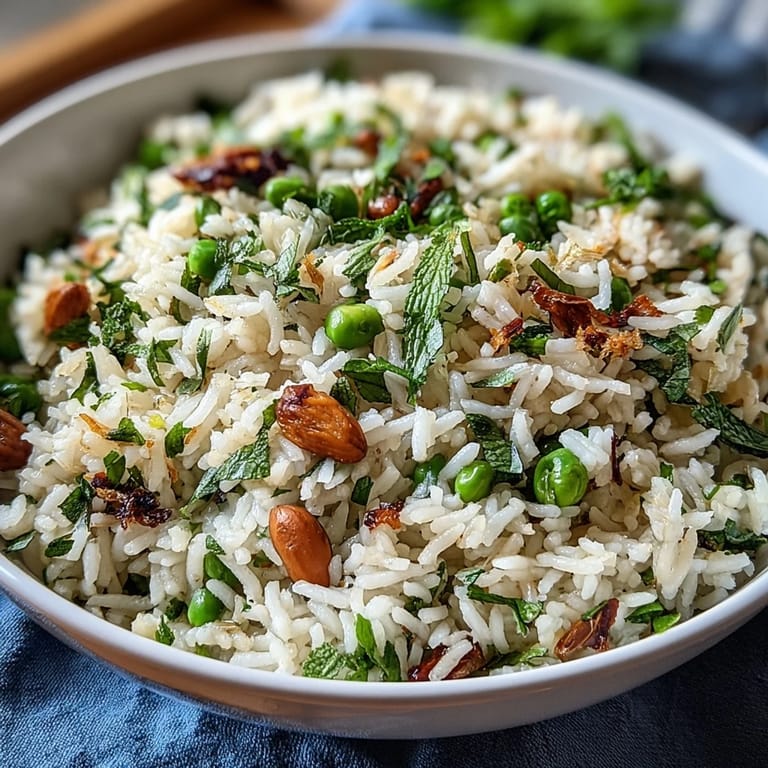
The beauty of this pilaf is how easily it adapts to what you have or what you're craving. Use olive oil instead of butter for a different richness, add a pinch of saffron to the broth for color and warmth, or stir in some toasted pine nuts or sliced almonds for crunch and elegance. You can replace the mint with fresh basil or tarragon, add diced roasted red peppers for sweetness and color, or even throw in some blanched asparagus if spring vegetables are what you have on hand.
- Swap half the butter for olive oil if you want something lighter and more Mediterranean in flavor.
- Stir in a handful of toasted nuts or seeds at the end for texture and a subtle nutty undertone.
- If fresh mint isn't available, fresh basil or even cilantro can stand in beautifully, though each will shift the flavor profile slightly.
 Save
Save This rice has become my go-to when I want to feel like I'm cooking something special without spending hours in the kitchen. It's proof that sometimes the simplest ingredients, treated with a little care and attention, can taste like you've done something really impressive.
Recipe Help & Answers
- → Can frozen peas be used in the pilaf?
Yes, frozen peas can be added directly from the freezer towards the end of cooking, preserving their texture and color.
- → What type of rice works best for this dish?
Long-grain white rice like basmati or jasmine provides a fluffy texture and aromatic background ideal for this pilaf.
- → How should the mint be prepared for best flavor?
Finely chopping fresh mint leaves ensures they evenly flavor the dish without overpowering other ingredients.
- → Is it possible to make this pilaf vegan?
Yes, substitute the butter with plant-based alternatives or olive oil to keep it vegan while maintaining richness.
- → Can this dish be made ahead and reheated?
Absolutely, it reheats well with a splash of broth to maintain moisture and keep the rice fluffy.