 Save
Save The first time I assembled a proper Turkish meze platter, I was nervous about getting the presentation right. My friend Ayse had invited me to help prepare for her family gathering, and as we spread everything across her grandmother's ceramic serving dish, she laughed at my careful arrangement and said, "It's not a painting—it's meant to be lived in." That shift in perspective changed how I think about these platters: they're not Instagram moments, they're invitations to slow down and share.
I remember standing in my kitchen on a rainy Sunday afternoon, making this platter for the first time on my own. The hummus was blending while I chopped vegetables, and the whole apartment filled with the smell of garlic and tahini warming under the processor blade. By the time I'd arranged everything on a simple white plate, I'd already convinced two neighbors to stay for an impromptu gathering—the platter just had that effect.
Ingredients
- Chickpeas (1 can, drained and rinsed): This is your foundation for creamy hummus, and the starchy water you rinse away actually makes the final texture smoother.
- Tahini (2 tbsp): The sesame paste gives hummus its signature nuttiness, but don't skip the stirring—tahini separates, and that thin oil on top is liquid gold for flavor.
- Extra-virgin olive oil: Use one you actually like drinking, because you'll taste every drop; the drizzle on top of the hummus is as important as what goes into it.
- Garlic (1 clove, minced): One clove is enough—garlic gets louder as it sits, and you want to be able to taste the other flavors too.
- Fresh lemon juice (2 tbsp): Bottled lemon juice will betray you here; the acidity and brightness come from something freshly squeezed.
- Ground cumin (1/2 tsp): This warm spice ties everything together and whispers rather than shouts.
- Stuffed grape leaves (12 dolmas): Store-bought is perfectly fine and saves you hours; the ones in jars or tins are actually quite good, and nobody needs to know unless you want to tell them.
- Feta and beyaz peynir cheeses: The contrast between salty, crumbly feta and the milder beyaz peynir gives your platter depth—keep them separate so people can appreciate each one.
- Kasseri or halloumi: These firmer cheeses hold their shape when sliced and add a different texture to the mix.
- Mixed Turkish olives: Get the ones with pits if you can find them; they taste noticeably better, and people expect to work a little for good olives.
- Fresh vegetables (cucumber, tomato, parsley): These are your wake-up call on the platter—the crunch and brightness that keeps people reaching for more.
- Warm pita or flatbread: Toast it just before serving if you have time; the warmth brings out flavors in everything else.
Tired of Takeout? 🥡
Get 10 meals you can make faster than delivery arrives. Seriously.
One email. No spam. Unsubscribe anytime.
Instructions
- Blend the hummus:
- Add chickpeas, tahini, olive oil, garlic, lemon juice, cumin, salt, and pepper to your food processor and blend until the mixture goes from chunky to creamy and pale. You'll know it's ready when you could almost paint with it—smooth but with enough body to hold a spoon mark.
- Taste and adjust:
- Before you transfer it to a bowl, taste it and ask yourself what it needs: more lemon for brightness, more salt for depth, more cumin for warmth. The hummus should make you pause.
- Present the hummus:
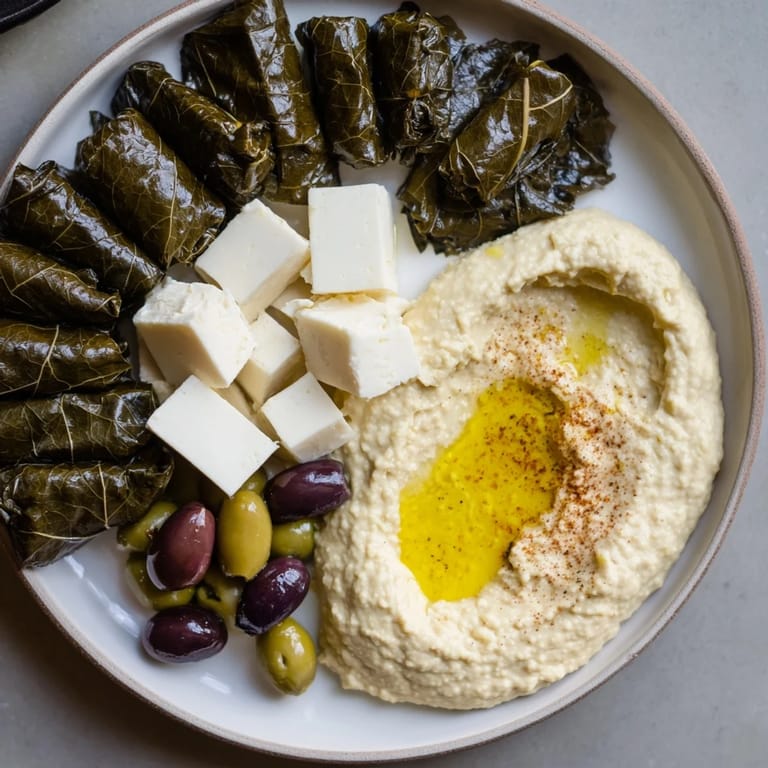
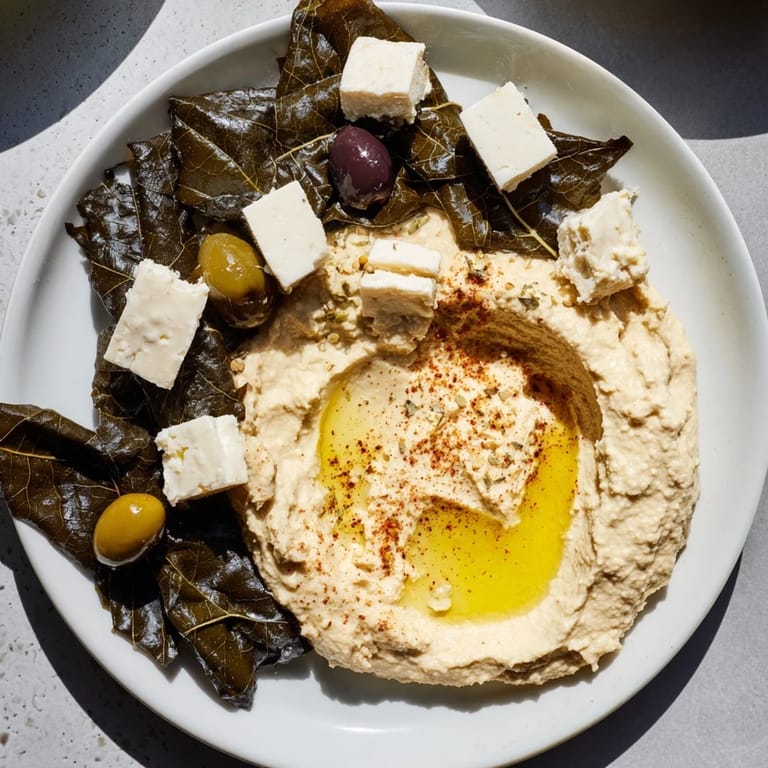
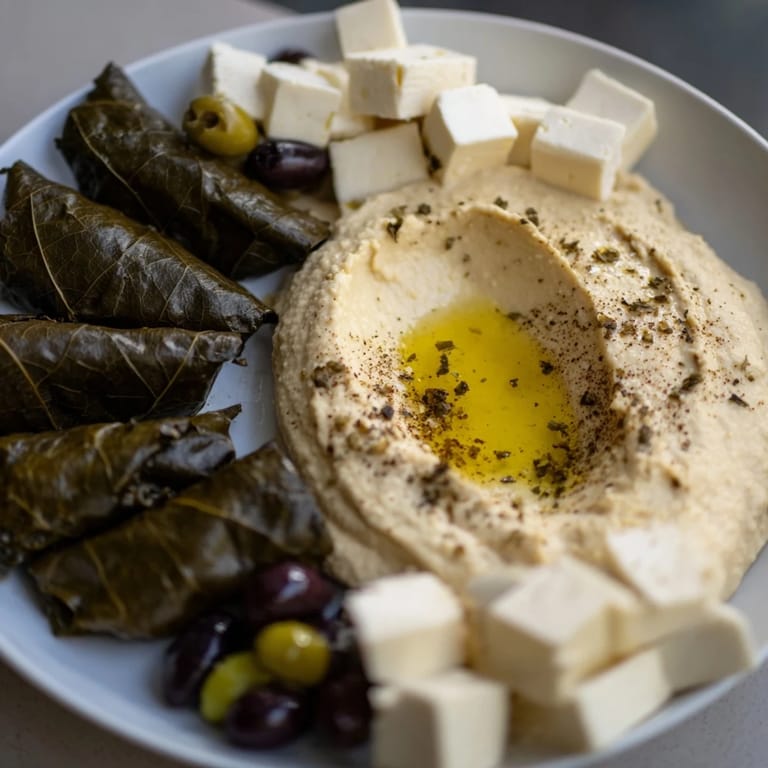
- Spoon it into a shallow bowl, create a little well in the center with the back of the spoon, and drizzle with olive oil—this isn't just decoration, it's an invitation to dig in with bread.
- Arrange the elements:
- Start with the hummus in the center or off to one side, then place dolmas in a neat cluster, gather cheese pieces in their own little section, and scatter olives throughout. Leave white space between colors so each element stands out.
- Add the fresh garnishes:
- Lay cucumber and tomato slices around the platter so they're easy to grab, wedge lemon pieces where they catch the light, and sprinkle parsley over everything at the last moment so it stays bright green.
- Serve warm and crowded:
- Bring warm pita to the table with your platter—the warmth completes the experience, and the bread becomes the vehicle for everything else on the plate.
 Save
Save There was a moment during that first family gathering when Ayse's uncle tore off a piece of pita, loaded it with hummus and a sliver of feta, squeezed lemon over the top, and closed his eyes while he ate it. Nobody said anything, but everyone saw it—that's when I understood that a meze platter isn't just food, it's a small ceremony of sharing.
Building Flavor Through Contrast
The magic of a Turkish meze platter lives in opposites: creamy against crisp, salty against bright, rich against fresh. When you're arranging everything, you're not just making it pretty—you're creating a conversation between tastes. The cool bite of lemon cuts through the richness of cheese, the herbaceous parsley wakes up the earthiness of hummus, and the firm dolmas ground everything else. Pay attention to how each bite changes depending on what you pair it with.
The Theater of Sharing
There's something about a platter that makes people relax in a way a plated meal doesn't. I've watched strangers become friends over a meze board, reaching across each other, discovering combinations they never would have thought of alone. The informality gives people permission to linger, to talk, to try things without commitment. That's why the arrangement matters—it's not about perfection, it's about creating a landscape worth exploring together.
When and How to Serve It
I've learned that meze works best when people are standing or casually seated, not when they're formally plated at a table. It's the appetizer that doesn't want to end, the snack that becomes the whole meal, the starter that teaches you what good food tastes like. Serve it with wine or tea, with time, with no clock watching—these platters are meant to stretch an evening into something memorable.
- Make the hummus earlier in the day and refrigerate it; bring it to room temperature thirty minutes before serving so the flavors open up.
- Cut vegetables and cheese right before guests arrive so everything looks crisp and alive when they see it.
- Leave room on the platter for people to rearrange things—some of the best moments come when someone makes a discovery you didn't orchestrate.
 Save
Save Every time I make this platter now, I think about that rainy Sunday and how something so simple became something people remember. It's in the ingredients, sure, but it's also in the care you take arranging them and the generosity of putting them in the center of the table for everyone to share.
Recipe Help & Answers
- → What are dolmas in the platter?
Dolmas are grape leaves stuffed with a savory rice and herb filling, providing a tender, flavorful bite that complements the other elements.
- → How is the hummus prepared?
The hummus is blended from chickpeas, tahini, olive oil, garlic, lemon juice, cumin, salt, and pepper until creamy and smooth.
- → Which cheeses are included?
The platter features feta, beyaz peynir as a substitute for feta, and kasseri or halloumi, offering a range of textures and tangy tastes.
- → Can the platter be served warm or cold?
This spread is typically served at room temperature or slightly chilled, with warm pita or flatbread on the side.
- → Are there suggested pairings for this platter?
Pair with crisp white wines like Turkish Narince or traditional raki to enhance the flavors and complete the experience.