 Save
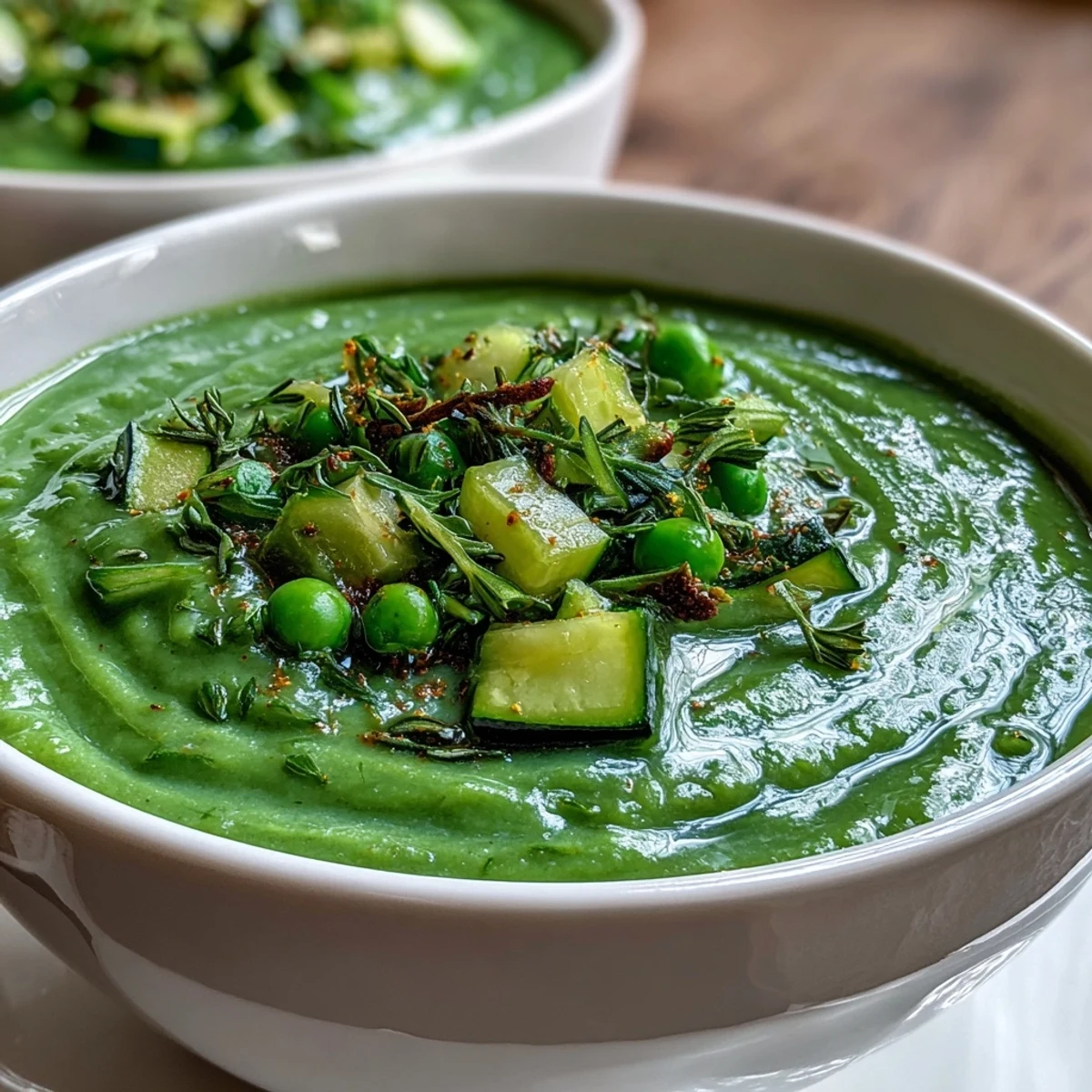
Save There's something about a steaming bowl of creamy chicken soup that stops you mid-week and makes everything feel manageable again. My neighbor once showed up at my door with a pot of this exact soup on a particularly rough Tuesday, and I realized then that this wasn't just comfort food, it was a love language. The beauty of it is how it tastes like you've been simmering it all day, when really you've only got thirty minutes from start to finish. What makes it sing is that tender rotisserie chicken doing all the heavy lifting, while the vegetables soften into a golden broth that tastes both homey and a little bit fancy.
I made this soup for my daughter's first week back at college, packaged it carefully in a thermal container, and drove it three hours to her dorm. When I arrived, her whole floor came out of their rooms because the hallway smelled incredible. She told me later that it was the moment she realized being away from home didn't mean being away from being taken care of. That one pot of soup created a memory that's stuck with both of us.
Ingredients
- Unsalted butter: Two tablespoons is your foundation, creating the base where all those vegetables will soften and release their sweetness.
- Yellow onion, carrots, and celery: This is your holy trinity, the flavor backbone that makes everything taste like it came from someone's grandmother's kitchen.
- Yukon Gold potatoes: These creamy potatoes hold their shape better than russets and add a subtle buttery flavor that complements the broth.
- Frozen peas: Don't overlook frozen—they're picked at peak ripeness and add bright pops of color and sweetness at the very end.
- Rotisserie chicken: Three cups of shredded meat is the secret to getting restaurant-quality results without actual cooking; just pick the meat from the bones and you're golden.
- All-purpose flour: A third cup becomes a roux that thickens everything into silky soup rather than watery broth.
- Low-sodium chicken broth: Four cups is your liquid base, and low-sodium lets you control the salt and taste what you're actually making.
- Whole milk and heavy cream: Together they create a luxurious mouthfeel that makes this feel like a special occasion soup.
- Fresh thyme and bay leaf: These herbs are the quiet contributors that make people ask what your secret ingredient is.
- Kosher salt, black pepper, and fresh parsley: Season generously and finish with parsley for color and a fresh herbal note.
Tired of Takeout? 🥡
Get 10 meals you can make faster than delivery arrives. Seriously.
One email. No spam. Unsubscribe anytime.
Instructions
- Melt and soften:
- In your pot, let the butter foam gently over medium heat, then add the onion, carrots, and celery. You'll know you're doing it right when the kitchen starts smelling like a restaurant kitchen and the vegetables turn translucent at the edges.
- Bloom the garlic:
- Stir in your minced garlic and let it cook just until fragrant—about a minute is perfect, long enough to wake it up but not so long that it turns bitter.
- Add the potatoes:
- Toss in your diced Yukon Golds and give everything a good stir, letting them warm through for a couple minutes.
- Create the roux:
- Sprinkle the flour over everything and stir constantly for a minute or two until it coats all the vegetables. You're cooking out the raw flour taste here, which is the difference between soup that tastes homemade and soup that tastes like flour.
- Build the broth:
- Pour the chicken broth in slowly while stirring, scraping the bottom of the pot to lift up any flavorful bits stuck there. Add the milk, thyme, bay leaf, salt, and pepper, then let it come to a gentle simmer.
- Cook the potatoes tender:
- Cover the pot and let it bubble softly for ten to twelve minutes until the potatoes are fork-tender. This is a good time to take a breath and appreciate that you're almost done.
- Finish with richness:
- Stir in the shredded chicken, frozen peas, and heavy cream, then let it simmer uncovered for another five to eight minutes until everything is heated through and the soup thickens slightly. You'll see it coat the back of a spoon when it's ready.
- Taste and adjust:
- Remove the bay leaf, then taste carefully. Add more salt if needed—seasoning at the end makes a bigger difference than you'd think.
- Serve with intention:
- Ladle into bowls and finish each one with a scatter of fresh parsley. This last little touch is what transforms soup from weeknight dinner into something someone will remember.
 Save
Save I served this soup to my book club last fall, and what started as dinner became three hours of conversation that felt like medicine. Someone mentioned they'd been stressed about a job change, and suddenly we were all sharing stories over bowls of soup that had gone lukewarm because we'd forgotten to eat. That's when I knew this recipe wasn't just about being easy or delicious—it was about creating space for people to show up as they really are.
Why Rotisserie Chicken Changes Everything
The first time I made this soup, I actually roasted my own chicken, and while it was good, it felt like I'd missed the point of easy comfort. The rotisserie chicken available at every grocery store is already seasoned, already cooked, already broken down—it's the permission slip that makes this soup actually doable on a busy night. There's no shame in using shortcuts that let you spend your energy on the parts that matter, like getting that broth silky and rich.
The Magic of Layering Flavor
What makes this soup feel special is that you're building flavor in stages rather than dumping everything together at once. Each step—sautéing the vegetables first, blooming the garlic, cooking the roux—these aren't fancy techniques, they're just ways of letting flavors develop and deepen. By the time you pour in the broth, your pot already smells incredible, which is actually a signal that you're on the right track.
Make It Your Own
This soup is a canvas more than a strict recipe, which is one of my favorite things about it. You can add a handful of sharp cheddar cheese at the end for extra richness, or stir in some fresh dill if that's what your kitchen smells like. If you're feeding someone who can't have gluten, a one-to-one gluten-free flour blend works just as well, and honestly, the difference is invisible once it's simmered in with everything else.
- For a vegetarian version, swap the chicken broth for vegetable broth and add extra vegetables like mushrooms or green beans instead of the chicken.
- Serve it with warm biscuits, crusty bread, or even over egg noodles if you want to stretch it further.
- Leftovers taste even better the next day once the flavors have had time to meld together.
 Save
Save This soup is the kind of food that reminds you why cooking at home matters. It's simple enough that you can make it without stress, but good enough that people will ask for the recipe.
Recipe Help & Answers
- → Can I use raw chicken instead of rotisserie?
Yes, you can use raw chicken breasts or thighs. Add them during step 5 and simmer until fully cooked through, about 15-20 minutes, then shred before serving.
- → How do I store leftovers?
Store in an airtight container in the refrigerator for 3-4 days. The soup may thicken when cold; thin with extra broth or milk when reheating on the stovetop.
- → Can I freeze this soup?
Freezing works best without the heavy cream. Add cream after thawing and reheating. Freeze for up to 3 months in freezer-safe containers.
- → What can I serve with this?
Pair with warm biscuits, crusty bread, or crusty rolls. A simple green salad with vinaigrette balances the richness beautifully.
- → How do I make it gluten-free?
Substitute the all-purpose flour with a 1:1 gluten-free flour blend. Ensure your chicken broth is certified gluten-free as well.
- → Can I use different vegetables?
Absolutely. Try adding green beans, corn, or parsnips. Adjust cooking times so vegetables reach desired tenderness.