 Save
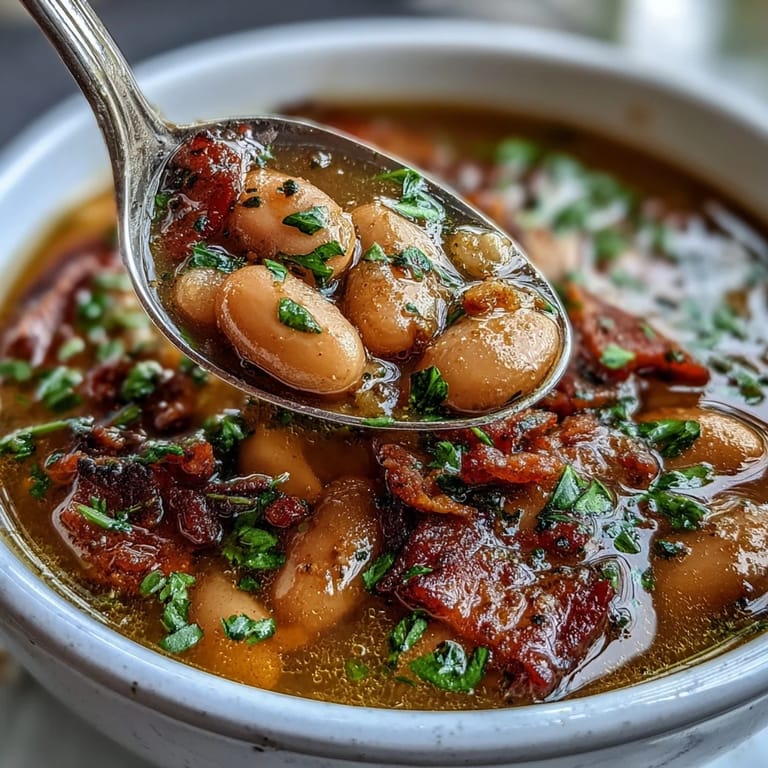
Save There's something about a ham bone that refuses to be wasted—the kind of thing my grandmother would never let go to the trash. One Sunday after Easter dinner, I stared at that stripped bone on my plate and thought, why not? Two hours later, my kitchen smelled like smoke and comfort, and I understood why this soup had survived generations of home cooks.
My sister came over on a gray November afternoon, and I ladled this into bowls while rain drummed against the kitchen window. She took one spoonful and got quiet in that way that means food is doing something right. We ended up sitting there for an hour, just talking and eating, the soup disappearing bite by bite.
Ingredients
- Leftover ham bone with meat attached: This is where all the magic lives—the bone itself releases gelatin that makes the broth silky, while any clinging meat adds depth you can't fake with broth alone.
- Dried navy beans: Small and tender, they absorb the smoky flavors without falling apart like bigger varieties might.
- Onion, carrots, and celery: The holy trinity that builds the flavor foundation—don't skip the sauté step, it matters.
- Smoked paprika: This is non-negotiable; it's what separates this from every other bean soup you've ever made.
- Low-sodium broth: You're building flavor yourself, so let the broth stay quiet and let your ingredients shine.
- Bay leaf, thyme, and oregano: Classic partners that tie everything together without announcing themselves.
Tired of Takeout? 🥡
Get 10 meals you can make faster than delivery arrives. Seriously.
One email. No spam. Unsubscribe anytime.
Instructions
- Prepare your beans:
- Drain them from their overnight soak and rinse well—this removes some of the compounds that can make beans disagreeable later.
- Build your base:
- Heat the oil and let those chopped vegetables soften for several minutes; you want them almost translucent before you add the spices. The heat opens up the paprika's smokiness in a way cold broth never could.
- Toast your seasonings:
- That brief moment of cooking garlic and spices together is when your nose tells you this is going to be good. Let it fill your kitchen for just a minute.
- Combine and simmer:
- Add the ham bone, beans, bay leaf, and broth, then bring everything to a boil before dropping the heat to a gentle simmer. This is where patience does the real work—don't rush it, stir occasionally so nothing settles and sticks.
- Retrieve the ham:
- After an hour and a half to two hours, the bones should practically fall apart. Cool it just enough to handle, then pick off every scrap of meat and return it to the pot.
- Finish and taste:
- This is your moment to adjust salt and pepper, to add extra diced ham if you want more heartiness, to make it exactly what you want it to be.
 Save
Save My neighbor stopped by the next evening and caught the smell from my porch. She ended up with a container of this, and came back weeks later saying her family had adopted it as their winter soup. That's when I knew it wasn't really mine anymore—it belonged to everyone cold and hungry enough to need it.
The Power of Slow Simmering
There's no shortcut here, and I say that with affection. Rushing this soup by cranking the heat doesn't save time—it just gives you tough beans and flat flavors. The gentle simmer lets the paprika smoke drift through everything, lets the beans soften without splitting, lets the ham bone release all its secrets into the broth. This is one of those recipes where slowness is the entire point.
Texture and Creaminess
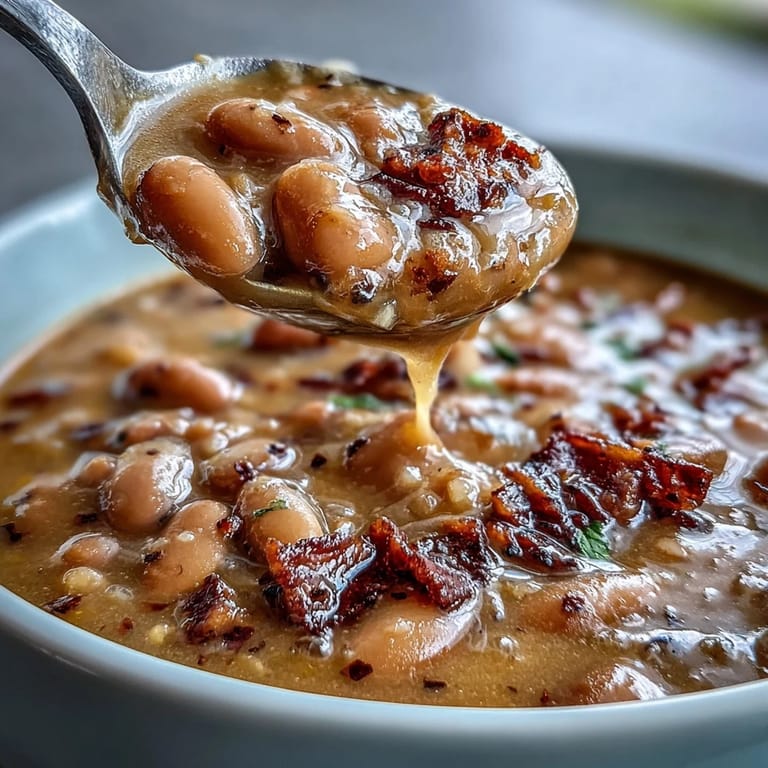
If you like your soup brothy and brothlike, leave it as is. But if you want something a little more yielding, grab a wooden spoon about halfway through simmering and mash some of the beans against the side of the pot. I usually aim for crushing maybe a quarter of them—enough that the broth turns slightly cloudy and rich, not so much that you've made bean paste.
Variations and Serving Ideas
This soup is forgiving in the best way. Turkey leg smokes beautifully in place of ham if pork isn't your thing, or you can use a smoked ham hock if you don't have leftover bones. Serve it hot with thick slices of crusty bread for soaking up the broth, or with cornbread on the side if you want something slightly sweet to balance the smoke. A swirl of olive oil on top catches the light and adds richness when you need it.
- This soup freezes beautifully for up to three months, making it the perfect thing to stash away for future cold days.
- Add fresh greens like kale or spinach in the last few minutes if you want a pop of color and nutrition.
- A splash of hot sauce at the table lets everyone adjust the heat to their own preference.
 Save
Save This soup asks very little of you except time and a willingness to let good things develop slowly. It rewards that patience with something warming and real, the kind of dish that tastes like home because it actually came from it.
Recipe Help & Answers
- → What type of beans work best in this soup?
Dried navy beans or great northern beans are ideal, as they become tender and creamy after soaking and slow cooking.
- → Can I substitute the ham bone with another meat?
Yes, smoked turkey leg works well for a smoky flavor without pork.
- → How long should I soak the beans before cooking?
Soak the beans overnight to ensure they soften properly during the long simmer.
- → What is the role of smoked paprika in the soup?
Smoked paprika adds a rich, smoky depth that complements the ham and enhances the overall savory profile.
- → Can I make the soup creamier?
Yes, mashing some of the cooked beans before serving helps create a creamier texture.
- → What should I serve with this soup?
It pairs beautifully with crusty bread or cornbread, and a light red wine such as Pinot Noir enhances the meal.