 Save
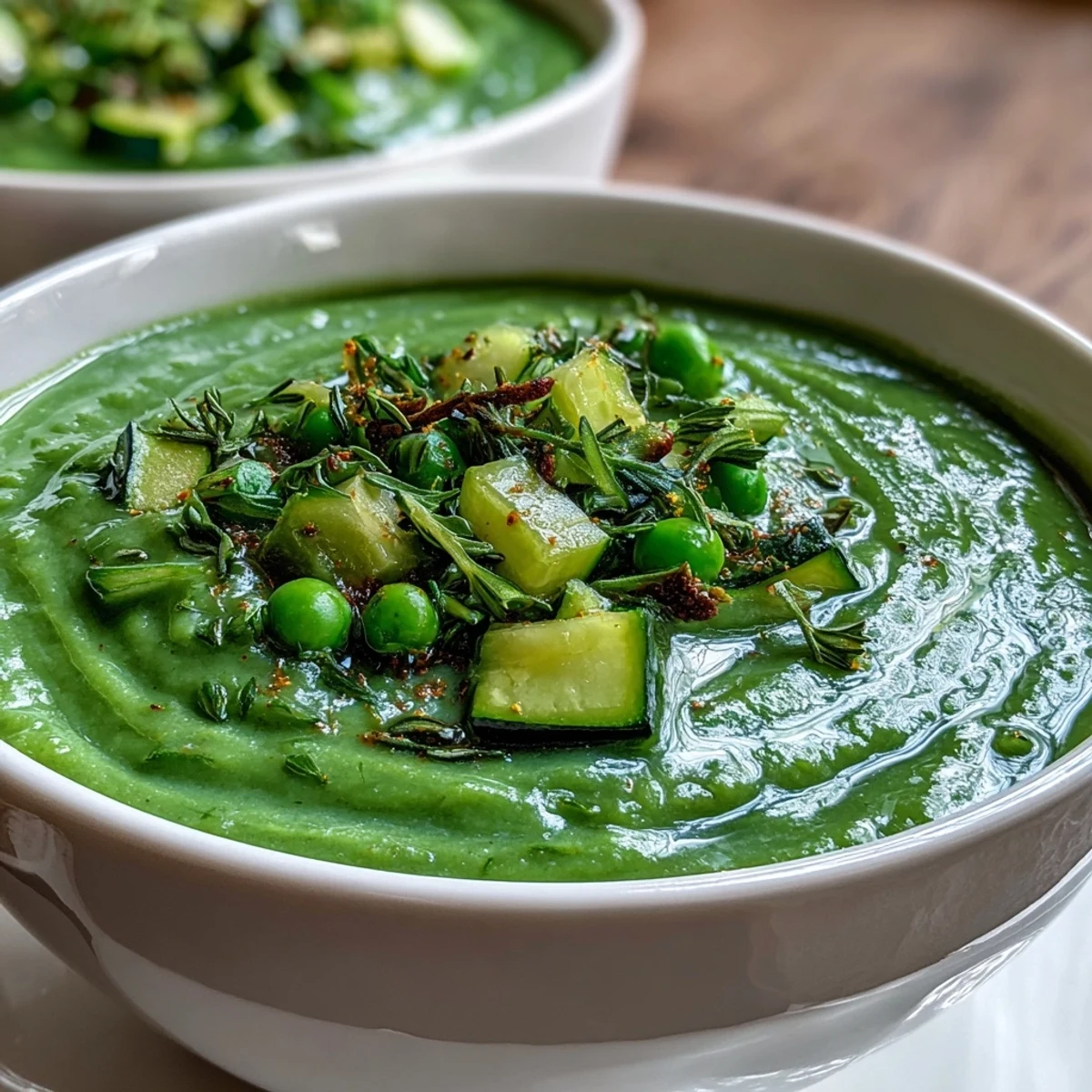
Save There's something about a pot of green soup that feels like bottled spring, especially when you're standing in your kitchen watching the color deepen from pale to vibrant as you stir in handful after handful of fresh spinach. I discovered this particular combination on an ordinary Tuesday when I had more vegetables than plans, and the result was so comforting and bright that it became my go-to whenever I need something nourishing but not heavy. The white beans hidden beneath all those greens make it surprisingly filling, the kind of soup that satisfies without weighing you down. What started as an improvisation has become something I make at least twice a month, always with that same sense of pleasant surprise.
I made this for my neighbor last spring when she was recovering from surgery and couldn't face anything heavy, and watching her face light up as she tasted it reminded me that sometimes the simplest meals mean the most. She asked for the recipe three times before I finally wrote it down, and she's been making it ever since. There's real power in a soup that nourishes both body and spirit, that feels like someone cares about your wellbeing with every spoonful.
Ingredients
- Olive oil: Don't skimp here—good oil adds a subtle fruity note that lifts the entire soup, and you'll taste the difference between quality oil and the basic stuff.
- Yellow onion, garlic, leek, and celery: This aromatic base is what gives the soup its foundational flavor, and taking time to let them soften properly (not rush them) makes all the difference.
- Broccoli florets and zucchini: These vegetables add body and texture, but more importantly, broccoli brings a subtle sweetness that balances the earthiness of the beans.
- Fresh baby spinach and parsley: The fresh greens are what make this soup sing—don't use dried herbs here, the brightness won't translate the same way.
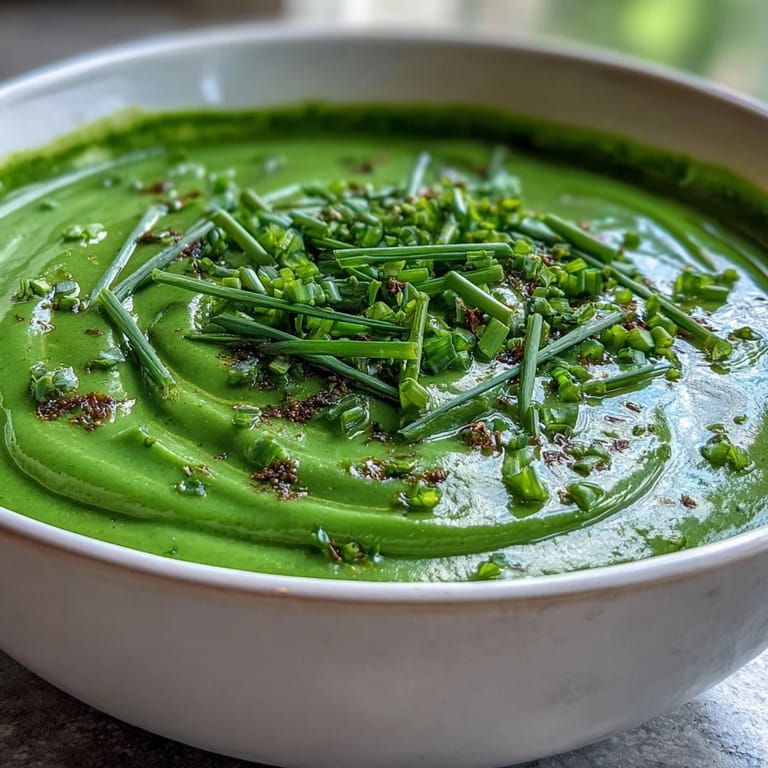
- Fresh chives: A small gesture that transforms the final bowl; the mild onion flavor and delicate appearance feel almost celebratory as a garnish.
- White beans: Cannellini or great northern beans both work beautifully, and rinsing them thoroughly removes excess sodium and starch.
- Vegetable broth and water: Using water alongside broth keeps the soup from becoming one-note; it lets the vegetables' natural flavors come through without overwhelming you with seasoning.
- Dried thyme, black pepper, and sea salt: These simple seasonings respect the vegetables rather than drowning them out, though lemon juice is what truly brings everything into focus.
Tired of Takeout? 🥡
Get 10 meals you can make faster than delivery arrives. Seriously.
One email. No spam. Unsubscribe anytime.
Instructions
- Build your flavor base:
- Heat the olive oil in a large pot over medium heat, then add onion, leek, celery, and garlic together. You'll know they're ready when the kitchen smells almost sweet and the vegetables look translucent and soft, about 5 minutes of gentle stirring.
- Add texture and substance:
- Toss in the broccoli and zucchini, stirring occasionally for 3 minutes so they begin to soften but still hold their shape. Don't walk away completely—this is when you'll notice the raw vegetable smell transform into something more refined.
- Bring it all together:
- Pour in the beans, broth, water, thyme, salt, and pepper, then bring everything to a gentle boil before dropping the heat down. Simmer uncovered for 12 minutes, letting the flavors marry while the vegetables become completely tender.
- Finish with fresh greens:
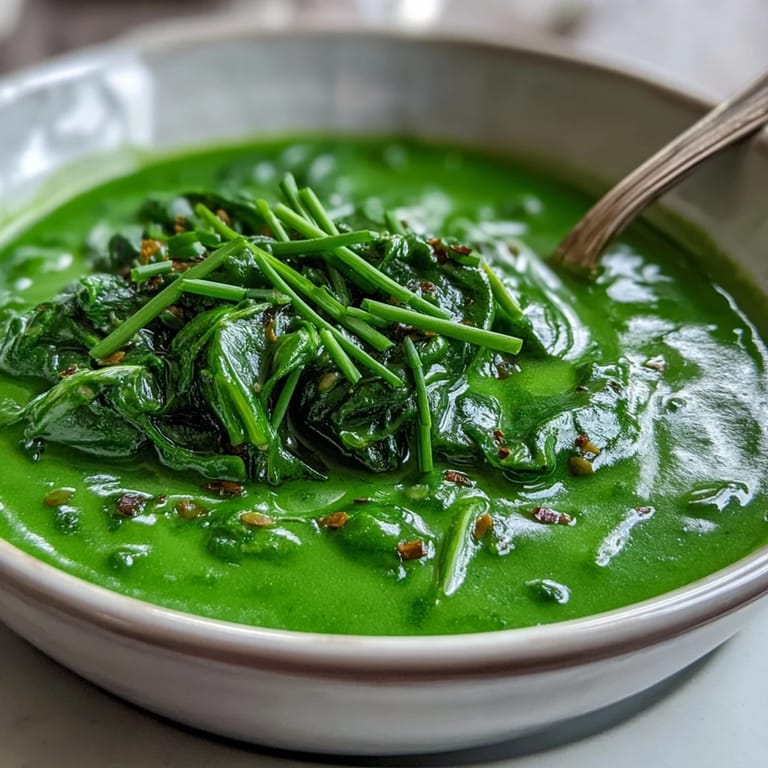
- Add the spinach, parsley, and chives, stirring gently until the leaves wilt into the warmth—just 2 minutes is all you need. The soup will look suddenly more vibrant, less like a pile of vegetables and more like something magical.
- Create the creamy texture:
- Remove from heat and use an immersion blender to purée the soup until it's smooth and pourable, working in batches if needed. You'll feel the resistance change as you blend, and suddenly what was chunky becomes this gorgeous, velvety green.
- Brighten and taste:
- Stir in fresh lemon juice and taste carefully, adjusting salt or pepper if something feels flat. That squeeze of lemon is the moment everything comes alive.
- Serve with intention:
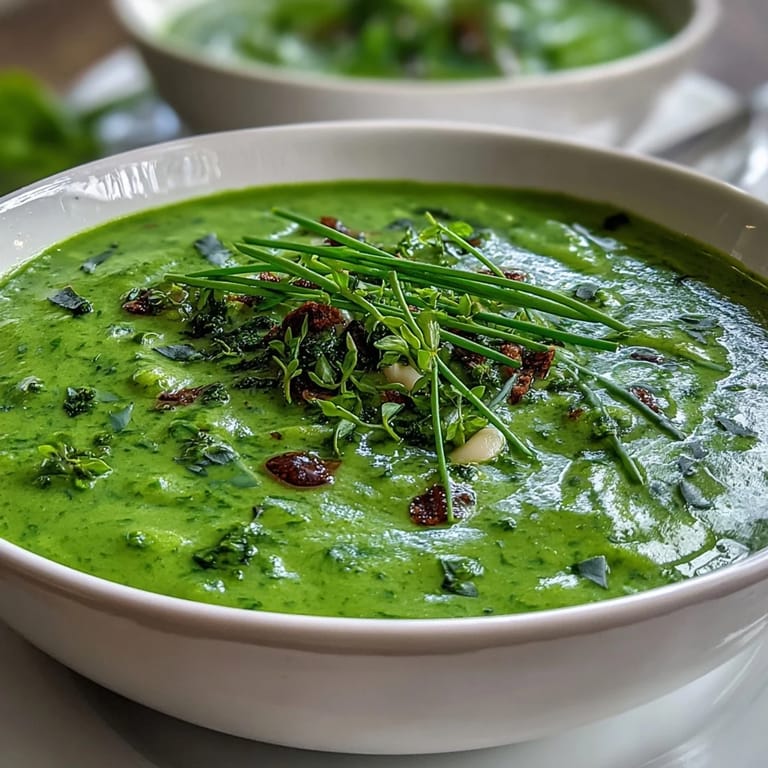
- Ladle into bowls and scatter a small handful of fresh chives on top, maybe a thread of good olive oil if you're feeling generous. It's these small touches that make a simple soup feel like actual cooking.
 Save
Save There's a moment in this recipe—right after you've blended everything and the soup transforms from a pile of chopped vegetables into something smooth and unified—where you understand why people cook. It's the moment your kitchen smells like spring and you know you've created something real with your own hands.
Customizing Your Soup
This recipe is genuinely flexible, which is one reason I keep making it. If you want something richer, stir in a quarter cup of coconut milk right before blending, or add a dollop of Greek yogurt if dairy works for you. I've made this with whatever white beans I had on hand, swapped zucchini for yellow squash when that's what the market had, and it never disappoints. The framework is strong enough to accommodate your preferences while staying true to itself.
What to Serve Alongside
This soup is beautiful on its own, but it becomes a complete meal when paired thoughtfully. A thick slice of crusty gluten-free bread for dipping transforms it from a side dish into something substantial, and a simple green salad with sharp vinaigrette adds brightness without redundancy. I've also served it with a swirl of good olive oil and crumbled feta on top, which sounds simple but feels luxurious.
Storage and Make-Ahead Magic
This soup stores beautifully in the refrigerator for up to four days, and the flavors actually deepen as it sits, making it perfect for meal planning or batch cooking. It also freezes exceptionally well for up to two months, which means you can make a double batch and have weeknight comfort waiting for you on difficult days. The one thing to remember is that if you've frozen it, the texture shifts slightly after thawing, becoming a touch less silky, but it's still delicious and even more practical.
- Let cooled soup cool completely before refrigerating to avoid introducing excess moisture into your fridge.
- Freeze in portion-sized containers so you can thaw only what you need rather than the whole batch.
- When reheating from frozen, do it gently on the stovetop over medium-low heat, stirring occasionally and adding a splash of water if it seems thick.
 Save
Save Make this soup when you need something that tastes good and makes you feel good, which turns out to be more often than you'd expect. It's become my answer to the question "What should I eat today?" more times than I can count.
Recipe Help & Answers
- → What is the best way to prepare the vegetables for this soup?
Start by sautéing onion, leek, celery, and garlic in olive oil to develop a flavorful base. Then add broccoli and zucchini, cooking briefly before adding liquids and legumes.
- → Can this soup be made creamier without dairy?
Yes, for extra creaminess, incorporate coconut milk before blending to keep the soup rich and vegan-friendly.
- → How can I adjust the texture if I prefer a chunkier soup?
Blend only half of the soup or use a handheld masher to keep some vegetables in larger pieces for more texture.
- → What herb enhances the flavor in this green vegetable soup?
Dried thyme adds a subtle earthy note, while fresh parsley and chives brighten the final dish with fresh herbal aromas.
- → Is this soup suitable for gluten-free diets?
Yes, as long as gluten-free vegetable broth is used, the soup remains safe for gluten-sensitive individuals.